
Reviewed · RIBERA DEL DUERO WINERY TOURS
Ribera del Duero Wineries Guided Tour & Wine Tasting from Madrid
Ribera del Duero is not a quick winery outing. It is a full 10 to 11 hour day that carries you from Madrid into high-country vineyards, old villages, and cellars cut deep below the earth. The best part is the contrast: one stop may focus on modern design and production, while another takes you through tunnels used for wine storage since the Middle Ages.
I like the way the tour visits three different kinds of wineries, rather than repeating the same polished tasting-room experience. I also like the local food stops, with cheese, crackers, and cured meat served at the bodegas so you are not tasting on an empty stomach. The trade-off is simple: the drive takes about two hours each way, and a small van can feel tight on a full day.
Key points
- Three wineries, three approaches: Expect a mix of boutique production, modern facilities, and old family cellars.
- At least nine tastings: Each winery serves a minimum of three wines, usually with snacks.
- The underground cellar is a highlight: One stop may include medieval tunnels reaching about 40 feet below ground.
- A strong guide matters: Ismael, Antonio, Muna, Cosmin, and Alfonso have all led departures, depending on the date.
- Lunch is flexible: You choose your own meal in a local town, with tapas and full Castilian lunches available.
- Plan for a long day: Departure is at 9:15 am from Conde de Casal, with a return around 8 pm.
Three wineries that show Ribera del Duero from different angles
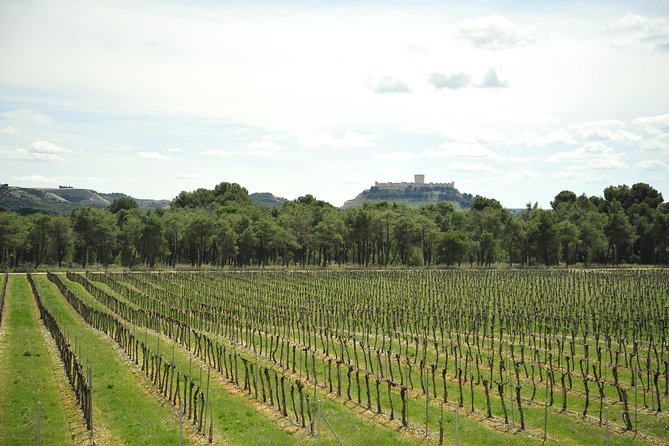
This tour works because it does not treat Ribera del Duero as one single wine style or one postcard stop. You get a broad look at the region through several producers, from new businesses finding their feet to old cellars linked to generations of local winemaking.
At each winery, expect at least three pours. The tastings are generous enough to give you a useful sense of the wines, and food such as crackers, cheese, or salami is provided along the way. This matters more than it sounds. With nine or more wines in a day, you want something to eat between glasses.
The exact wineries and order can change. That is not a flaw, but you should not book this expecting a named estate every time. The design of the day is more important than a fixed list: the goal is to compare traditional and modern methods, small and large producers, and different expressions of Tempranillo.
More Ribera del Duero Winery Tours:
- Ribera del Duero:4 Wineries, tasting & Lunch included from Madrid
★ 5.0 · 199 reviews - From Madrid: Ribera del Duero Tour of 3 Wineries w/ Tastings
★ 4.9 · 150 reviews - Ribera del Duero Winery Guided Tour and Wine Tasting from Madrid
★ 5.0 · 107 reviews
From Madrid to the Duero wine country
The meeting point is outside the cafeteria at Hotel Claridge, at Plaza del Conde de Casal, 6. Conde de Casal Metro Station on Line 6 is nearby, making this one of the easier Madrid departure points to reach by public transportation.
The van or coach leaves at 9:15 am. Take that time seriously. The operator asks you to allow an extra 10 to 20 minutes beyond the journey shown on a map, and the group departs on time. I would check the route the night before and avoid relying on a last-minute Uber. A regular taxi is recommended if you are cutting things close.
Once outside Madrid, the city gives way to open country and the Duero River region. The drive usually takes around two hours, though traffic can affect both the outward and return journeys. Your guide uses part of the ride to explain Spanish wine, Tempranillo, and the story of Ribera del Duero. The rest of the trip gives you time to watch the scenery or rest.
The vehicle is air-conditioned, but space depends on the departure. The tour can carry up to 20 people, though some departures use a smaller Mercedes Sprinter. A group of six or so feels particularly pleasant. A full van may be less relaxed, especially for taller people on a long drive.
Aranda de Duero and the first winery
The first winery visit introduces the basic chain from grape to bottle. You learn how wine is made in Ribera del Duero, how the region’s extreme weather affects the vineyards, and why Tempranillo is central to the local style.
This first stop is often one of the more representative bodegas in the area. You can expect a proper guided visit rather than a simple drink-and-leave tasting. The focus is on production, aging, and the character of the finished wines.
The first winery can also set the tone for the day. Some departures have visited a young boutique producer, including a business established in 2018. That kind of stop is useful because it shows a newer winemaker taking risks and developing a style of its own. It may feel less grand than a famous estate, but the personal scale can make the visit more direct.
The tasting usually includes aged reds with fruit, structure, and the freshness associated with the region. If you know very little about Spanish wine, this is a good place to learn the basics before the later tastings. If you already collect wine, pay attention to the production choices rather than expecting every pour to be a rare bottle.
Modern wine architecture near Sotillo de la Ribera
The second winery offers a different view. Its design is open to the vineyards, linking the working parts of the bodega with the surrounding land. The point is not just appearance. Modern wineries must handle harvest, storage, visitors, and production efficiently, and the building itself can show how those demands shape winemaking today.
This contrast is one of the strongest parts of the tour. You may move from a small producer with a personal feel to a larger, state-of-the-art facility. Some departures have included Bela, a sizable producer, while others have featured a modern boutique operation such as Territorio Luthier.
That range gives you a better sense of Ribera del Duero than three nearly identical tasting rooms would. You can compare the scale of production, the way each winery talks about its wine, and how much the architecture affects your visit.
The tasting here is another minimum of three wines, again with snacks. The wines may be quite different from the first stop, even though they come from the same broad region. I suggest taking a few notes on the grape, aging, and finish if you want to remember what you tasted later. After nine or more samples, every red can begin to blur together.
More Madrid Wine Tastings and Winery Tours:
- Toledo Tour & Vineyard Walk with Wine Tasting from Madrid
★ 5.0 · 2,546 reviews - Madrid: Tapas & Wine Tasting Tour with Local Guide
★ 4.8 · 2,171 reviews - Madrid Tapas & Wine Tour with Rooftop Views and Local Guide
★ 5.0 · 2,047 reviews - Madrid Countryside Wineries Guided Tour with Wine Tasting
★ 5.0 · 740 reviews
A flexible Castilian lunch in Roa
Lunch is not included, and that is actually a useful choice for this kind of day. Rather than locking everyone into one set menu, the tour allows you to choose among local options in or near Roa.
You might select tapas for a lighter meal, or order a full three-course Castilian lunch. A rough guide is 12 to 15 euros for tapas and about 30 euros for a full meal. Your guide may suggest a small tavern or a restaurant away from the main tourist route, but the exact place can vary.
This break also gives your palate a rest. After two winery visits, a proper meal is sensible, especially if you plan to continue tasting. Some groups have shared plates in a local tavern, while others have chosen to spend more time at a winery instead. The schedule has some flexibility, but lunch itself remains your responsibility.
Do not expect a Madrid-style restaurant district here. The appeal is the local setting and regional food, not a long list of international choices. If you prefer a quick meal, tapas fit the day well. If you want a slower lunch, budget enough time and money for the full menu.
Curiel de Duero and the underground wine tunnels
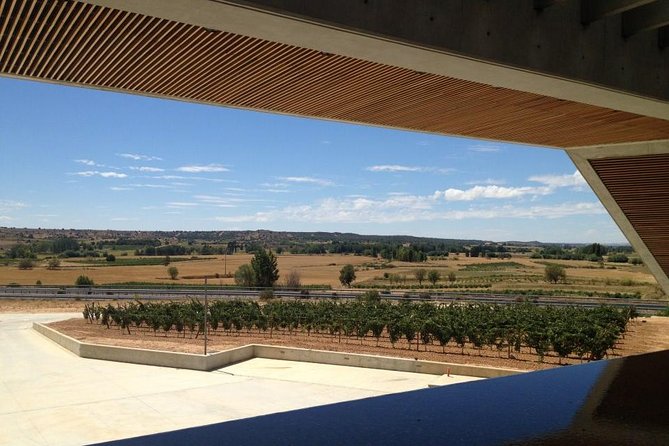
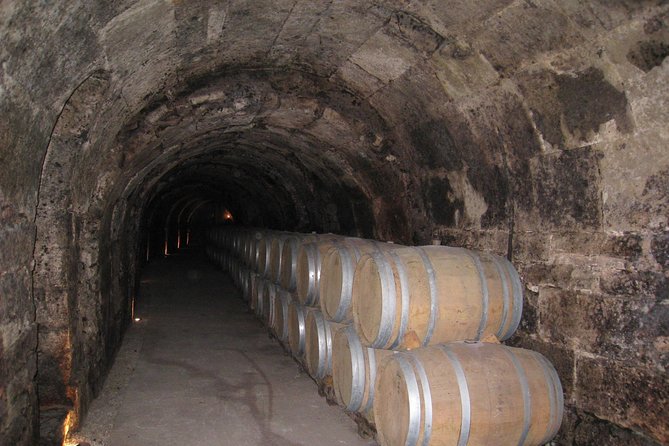
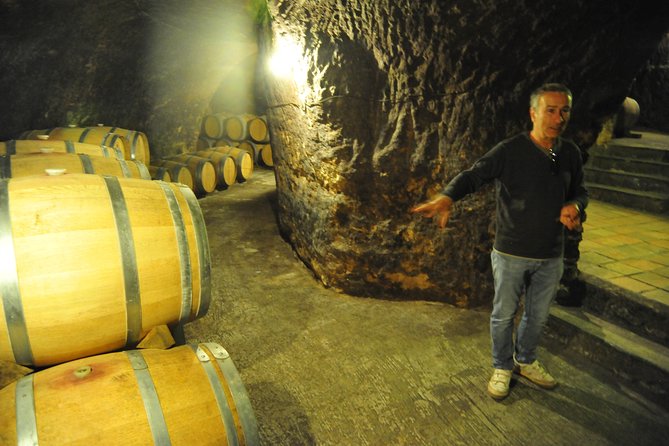
The third winery is often the most memorable stop. Here you may enter an old underground cellar, part of a network of tunnels cut through the subsoil of the town. The passages can extend for roughly four miles in total and reach about 40 feet below ground.
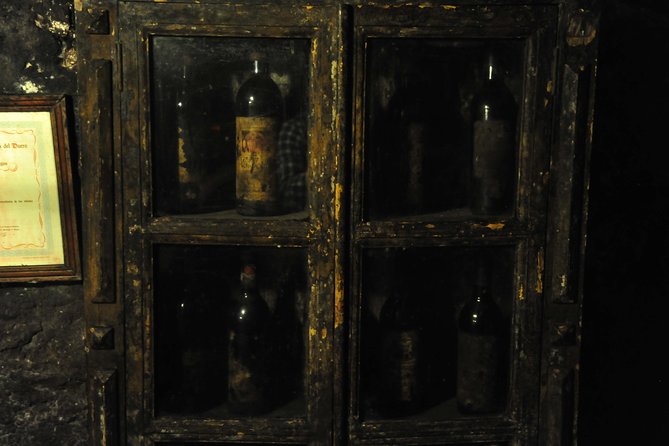
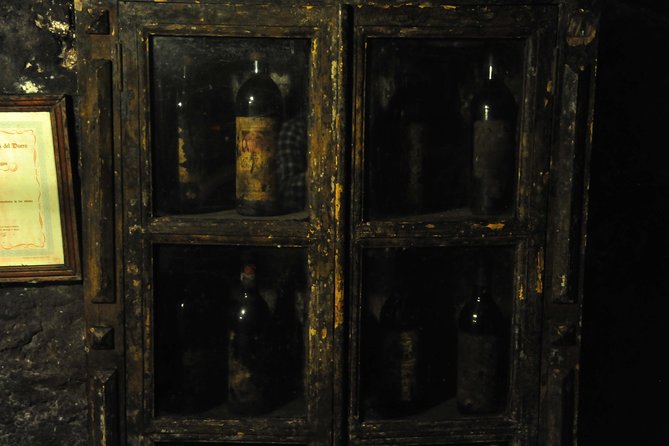
These cellars were used to preserve wine from the Middle Ages, long before modern temperature controls and polished visitor centers. You are not just looking at barrels in a new building. You are walking through a piece of the region’s working past, where the underground setting helped keep wine stable.
Some departures have visited ValSotillo, a multigenerational winery with an especially old cellar. The tunnels may date back several centuries, and this stop gives the day a stronger sense of place than a standard tasting room can provide.
Bring a warm layer. The cellars are cold, even when the weather above ground is pleasant. Shoes with a secure sole are also a sensible choice, though the supplied information does not specify a formal footwear requirement.
The final tasting completes the comparison between the wineries. By this point, you should have a clearer idea of how soil, aging, producer size, and cellar practice affect Ribera del Duero wine. It is also a good moment to ask about shipping bottles home. Some small wineries may offer that service, but availability and cost are not guaranteed.
Tempranillo in a region of extremes
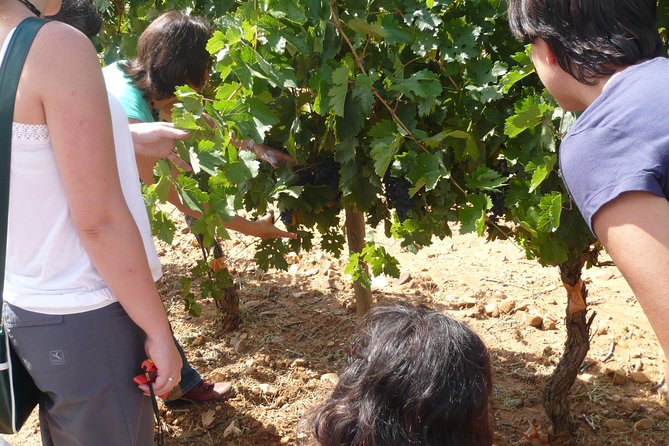
Ribera del Duero is known for Tempranillo, the grape behind many of Spain’s full-bodied red wines. The tour explains the grape in practical terms, from vineyard to bottle, rather than treating wine as a mystery reserved for experts.
The area’s weather is part of the story. Vineyards grow in demanding conditions, and those conditions help shape wines with ripe fruit, body, and aging potential. You will hear more about this during the drives and winery visits, with each producer adding a different point of view.
You do not need prior wine knowledge. The guides and winery hosts explain the process at a level that works for beginners, while the number of tastings and producer comparisons gives experienced wine drinkers enough to consider. Ismael has been especially effective at explaining wine production and regional history in clear English. Antonio, Muna, Cosmin, and Alfonso have also led departures in English and Spanish.
The tour is bilingual when needed. Confirm that your selected departure suits your language preference if that matters to you.
What the guide adds to the day
A good guide is important here because the experience involves long transfers, several hosts, and a changing schedule. Ismael has led many departures, and his role includes more than driving. He explains the region during the road trip, keeps the timing clear, and helps connect the three winery visits into one story.
Other guides named for this experience include Antonio, Muna, Cosmin, and Alfonso. The individual guide may change, but the useful qualities are the same: clear communication, safe driving, and the ability to explain wine without making beginners feel lost.
A strong guide can also help with lunch and local logistics. That saves you from trying to locate a suitable restaurant in an unfamiliar town during a short break. It does not mean every departure will follow the exact same route or visit the same producers, so keep some flexibility in mind.
Is $223.82 a fair price?
At $223.82 per person, this is not a cheap Madrid day trip. It becomes easier to justify when you count what is included: round-trip transport, three winery visits, at least three tastings at each winery, winery snacks, and a bilingual local guide.
You are also paying for access that is awkward to arrange independently in one day. The wineries are spread across the region, and visiting three of them without a car would be difficult. A private driver could cost more, while a self-drive plan would leave someone unable to taste and would require careful appointment planning.
Lunch is extra, and you should budget about 12 to 30 euros depending on your choice. Wine purchases are also extra. The included food at the wineries is enough to prevent empty-stomach tasting, but it is not a substitute for lunch.
The value is best for someone who wants a full regional experience rather than a short tasting near Madrid. If you only want to sample Spanish wine for an hour or two, this is too long and too expensive. If you want the countryside, old cellars, regional food, and a serious look at Ribera del Duero, the price is easier to defend.
Who should book this Ribera del Duero day trip?
I would choose this tour if you have a full day available in Madrid and enjoy wine, food, local history, or rural Spain. It also suits people who want an organized route without renting a car.
The minimum tasting age is 18. Children under 12 cannot join, and the tour is not designed as a family outing for younger children. Children who meet the stated age requirements must be accompanied by an adult.
Most people can participate, but think about the length of the day. You will spend several hours in transit, visit multiple wineries, and return around 8 pm. The van may feel cramped when full, and the underground cellars are cold.
The tour requires at least four participants to operate. If that minimum is not met, the operator may cancel after confirmation and offer another date or a full refund. Free cancellation is available up to 24 hours before the start time, but changes or cancellations inside that window are not refunded.
Should you book it?
Book this experience if you want three contrasting wineries, a generous number of tastings, and the chance to walk through old underground cellars that are difficult to reach on your own. The combination of wine, local food, village stops, and countryside makes it one of the more substantial day trips from Madrid.
Skip it if your schedule cannot handle an 11-hour outing, if you dislike long road transfers, or if you want a tightly fixed list of named wineries. For everyone else, I would treat the changing itinerary as part of the appeal. You get a useful introduction to Ribera del Duero, and the old cellar, thoughtful guide, and varied producers give the day more substance than a standard tasting tour.
FAQ
Where does the tour start in Madrid?
The meeting point is at the front door of the cafeteria at Hotel Claridge, next to the hotel’s main entrance, at Plaza del Conde de Casal, 6, 28007 Madrid. The closest Metro station is Conde de Casal on Line 6.
What time does the tour leave Madrid?
The tour starts at 9:15 am. You should arrive early because the vehicle leaves on time, and late arrivals are responsible for any extra cost involved in joining the group later.
How long does the tour last?
The experience lasts about 10 to 11 hours. Departure is at 9:15 am, and the return to the original meeting point is expected around 8 pm, depending on traffic.
How many wineries are included?
The tour includes three winery visits. The order and exact wineries can change depending on the day.
How many wines will I taste?
Each winery includes a minimum of three wine tastings, so you should expect at least nine wines during the day. Snacks are provided at the wineries.
Is lunch included?
No. You have free time to choose and pay for lunch yourself. Tapas may cost about 12 to 15 euros, while a full three-course meal may cost around 30 euros.
Is the tour available in English?
Yes. The tour is offered in English and is operated by a bilingual guide in English and Spanish. Guides may include Ismael, Antonio, Muna, Cosmin, or Alfonso, depending on the departure.
Can children join the tour?
Children under 12 cannot participate unless you arrange a private tour. The minimum age for wine tasting at the wineries is 18, and children must be accompanied by an adult.
Can I cancel for a refund?
You can cancel up to 24 hours before the experience for a full refund. Cancellations or changes made less than 24 hours before the start time are not accepted for a refund.
More Madrid Food Tours
- Madrid: Live Flamenco Show with Food and Drinks Options
★ 4.5 · 9,901 reviews - Madrid Ultimate Spanish Cuisine Food Tour
★ 5.0 · 1,010 reviews - Madrid Historic Centre Food Tour with Authentic Tapas & Wines
★ 5.0 · 814 reviews - Madrid: Tapas Food Tour with Drinks and Food
★ 4.9 · 651 reviews
Just added around Madrid
- Visit the National Archaeological Museum in Madrid★ 4.4 · 6 reviews
- From Madrid: Parque Warner Beach Water Park & Transport★ 3.9 · 14 reviews
- Madrid Wine Tasting, Flamenco Class and Pub Crawl★ 4.5 · 6 reviews
- Visit to the Prado Museum★ 4.9 · 6 reviews
- Virtual Reality Experience Fun And Tickets & Imageen★ 5.0 · 12 reviews
- Tuk Tuk Tour with Wine Test in Madrid★ 3.8 · 6 reviews
- Tuktuk historical tour of Madrid 1 Hr in a fun and original way★ 3.7 · 3 reviews
- Prado Museum VIP tour with an art Expert, tickets included★ 5.0 · 11 reviews
Ribera del Duero Winery Tours, compared.
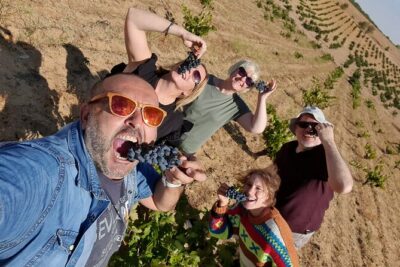
Ribera del Duero:4 Wineries, tasting & Lunch included from Madrid
Read our review →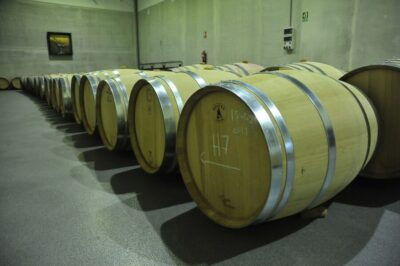
Ribera del Duero Tour of 3 Wineries w/ Tastings
Read our review →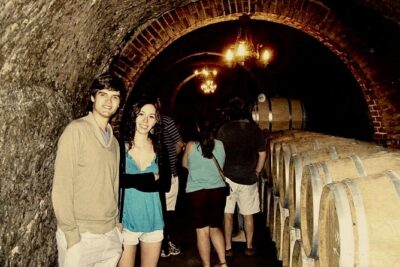
Ribera del Duero Winery Guided Tour and Wine Tasting from Madrid
Read our review →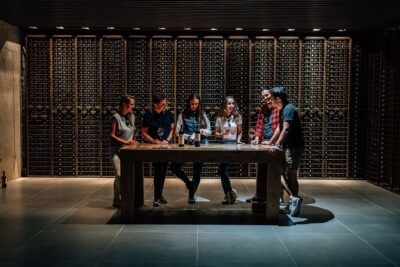
Private Segovia & Ribera del Duero with Wine Tasting from Madrid
Read our review →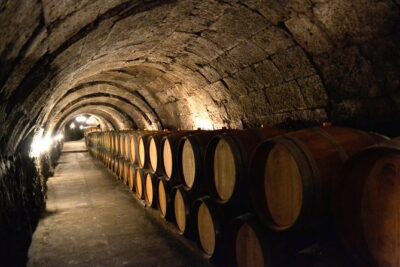
Ribera del Duero Small Group Tour: Tapas & Wine Tasting
Read our review →
Premium Tour to Ribera del Duero with Wnologist Guide
Read our review →
Ribera del Duero Tour: Three Wineries and Lunch from Madrid
Read our review →
Browse the lists this tour appears in