
Reviewed · RIBERA DEL DUERO WINERY TOURS
From Madrid: Ribera del Duero Tour of 3 Wineries w/ Tastings
Ribera del Duero is not a quick city escape with one polite tasting and a souvenir bottle. This is an 11-hour wine day built around three very different wineries, from sharp modern design to a medieval cellar cut deep into the rock. The final stop, with tunnels dating to the 16th century, gives the day its most memorable setting.
I like the clear contrast between the wineries, and I like that you taste at least eight wines rather than rushing through two samples. Guides such as Ismael, Muna, and Antonio bring useful wine and regional knowledge, with several guides taking care to explain things in both English and Spanish.
The catch is the length. You spend about four hours on the road between Madrid and Ribera del Duero, and the day can run 10 to 11 hours. Lunch is also on your own, and the quality of the meal depends on the place you choose.
Key points to know before booking
- Three wineries, three approaches: Compare an acclaimed boutique producer, a modern winery shaped around its setting, and a traditional family cellar.
- At least eight wines: Tastings come with local appetizers at each stop, giving you food as well as wine to compare.
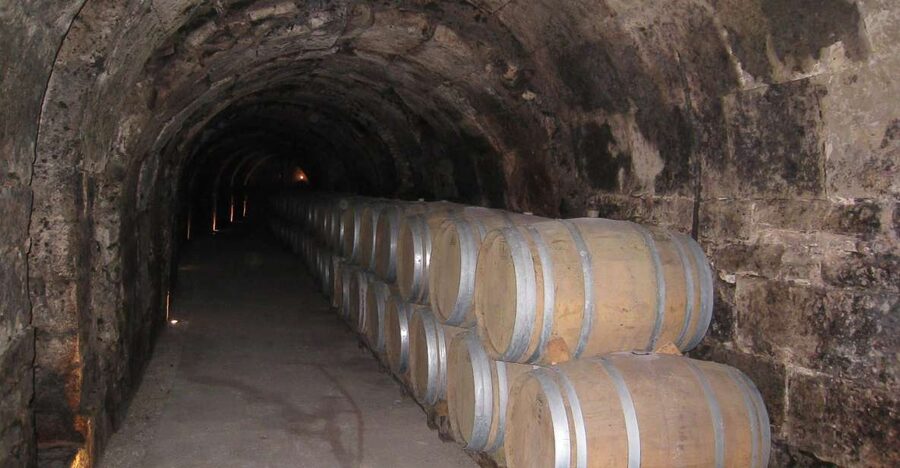
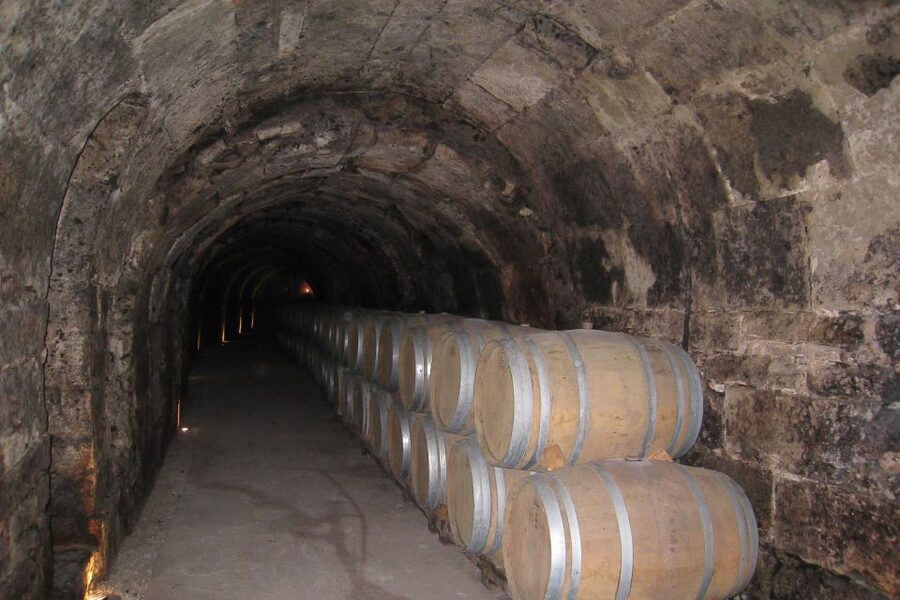
- The 16th-century cellar is the star: Walk through historic underground tunnels about 7 kilometers long and 13 meters below ground.
- Small-group format: Groups range from 4 to 20 people, with the usual group around 8.
- Long but full day: Depart Madrid at 9:15 AM and return around 8:00 PM, traffic permitting.
- Adults only for tastings: Children under 12 cannot join, and everyone tasting wine must be at least 18.
Why Ribera del Duero makes a fine Madrid day trip
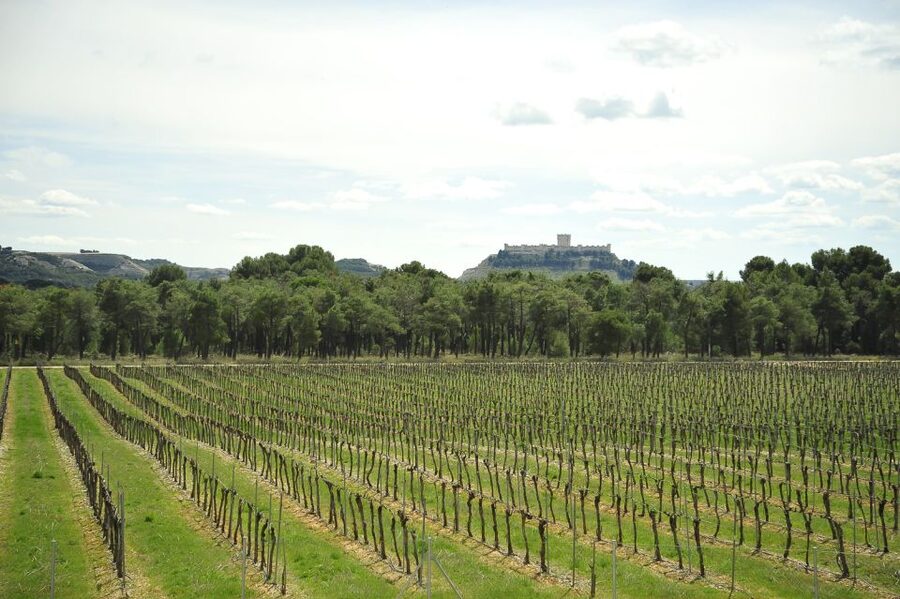
Madrid is surrounded by wine country, but Ribera del Duero gives you something distinct from the better-known Rioja style. The region follows the Duero River, which continues west into Portugal and plays a major role in Portuguese wine as well.
The drive from Madrid takes about two hours each way. That is a serious chunk of the day, but it also carries you from the capital into open Castilian scenery. Your guide fills the ride with background on the wine region, the denomination of origin, and the families who helped build its reputation.
I would choose this outing for someone who wants more than a tasting room. You see vineyards, production areas, architecture, storage spaces, and old cellars. The wine is the focus, but the physical places explain why Ribera del Duero feels like a living wine region rather than a collection of polished brands.
The denomination of origin matters here. It sets standards for wines labeled Ribera del Duero, giving you a useful framework as you taste. You will not simply hear that one bottle is good. You can ask how the winery works, how older methods differ from newer ones, and why two producers in the same region can make such different wines.
More Ribera del Duero Winery Tours:
- Ribera del Duero Wineries Guided Tour & Wine Tasting from Madrid
★ 5.0 · 328 reviews - Ribera del Duero:4 Wineries, tasting & Lunch included from Madrid
★ 5.0 · 199 reviews - Ribera del Duero Winery Guided Tour and Wine Tasting from Madrid
★ 5.0 · 107 reviews
Starting at Plaza del Conde de Casal
The meeting point is in front of the cafeteria at Hotel Claridge, at Plaza del Conde de Casal, 6. The nearest Metro stop is Conde de Casal on Line 6, which makes the start practical if you are staying elsewhere in Madrid.
Look for the front door of the hotel cafeteria, next to the main hotel entrance. You are not meant to use the cafeteria facilities unless you are a customer, so arrive ready to meet outside rather than planning to wait over breakfast inside.
Departure is scheduled for 9:15 AM. The vehicle takes you toward Ribera del Duero, with the guide explaining the area during the approximately two-hour drive. The group can include Spanish and English speakers at the same time. Guides have handled mixed-language groups by translating key information as needed, though the amount of translation can vary with the group.
The average group is about eight people, with a minimum of four and a maximum of 20. That smaller format is important. You have a better chance to ask about a particular wine or production method than you would on a large coach tour, although a full 20-person group will feel less intimate.
First winery: a modern introduction to Ribera del Duero
The first two winery visits each last about 75 minutes. The exact order and producers can vary, but the selection is designed to show contrasting sides of the region.
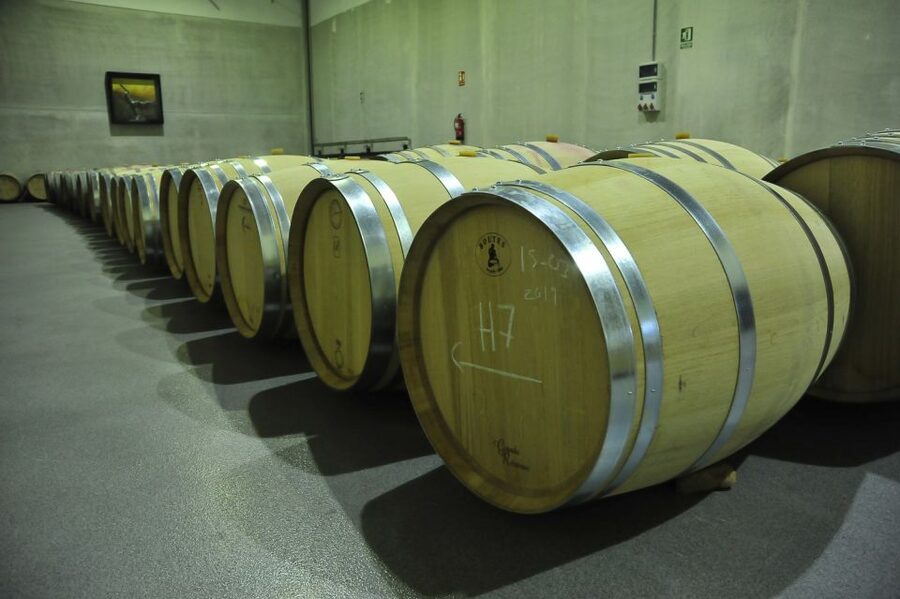
One stop is a boutique winery with avant-garde architecture. Its design is not just decoration. The building is planned around careful production conditions, with attention to how the wine is made and stored. The producer has earned national and international recognition, and in 2025 six wines received more than 95 points on the Tim Atkin scale. One of the founders was also named Winemaker of the Year.
That information is useful if you care about current wine quality, but the visit should not feel like a scorecard exercise. The point is to see how a newer producer uses design, equipment, and precision to make high-end wine. You tour the facilities, learn about the process, and taste several wines with local snacks.
I like beginning with this type of winery because it gives you a reference point. You see what modern Ribera del Duero can look like before visiting more traditional cellars. If you are interested in architecture, production technology, or premium Spanish reds, this is likely one of the most rewarding early stops.
The local appetizers matter, too. Wine tastes different when paired with food, and small regional bites help keep the tasting from becoming a parade of empty glasses. Do not expect a full meal here. Think of the snacks as part of the tasting rather than a replacement for lunch.
Second winery: where architecture meets the vines
The second winery offers another modern approach. Its structures connect more closely with the vineyards and surrounding environment, combining practical wine production with a strong sense of place.
This stop is useful because it prevents the day from becoming a tour of three similar estates. You can compare the first winery’s boutique, high-design approach with a producer that gives more attention to how the buildings sit beside the vines. The guide and winery staff explain the facilities, the methods, and the wines in the glass.
The tours at both modern wineries are guided rather than self-directed. That makes the guide’s role important. Ismael has been especially effective at helping English speakers follow along, and Muna has combined regional information with a sommelier’s approach to tasting. You should feel free to ask questions, even if you are not a wine expert. The day is designed to explain the basics as well as the finer details.
After two winery visits, you will have tasted several wines and walked through working facilities. This is also the point when the day starts to feel long. Keep some energy for the third stop, which is less polished and much older in character.
More Madrid Wine Tastings and Winery Tours:
- Toledo Tour & Vineyard Walk with Wine Tasting from Madrid
★ 5.0 · 2,546 reviews - Madrid: Tapas & Wine Tasting Tour with Local Guide
★ 4.8 · 2,171 reviews - Madrid Tapas & Wine Tour with Rooftop Views and Local Guide
★ 5.0 · 2,047 reviews - Madrid Countryside Wineries Guided Tour with Wine Tasting
★ 5.0 · 740 reviews
Lunch in the Ribera del Duero countryside
After the first two wineries, you get at least one hour of free time for lunch. The meal is not included, so budget separately.
Your choices may range from tapas to a light meal or a full three-course Castilian lunch. A tapas lunch costs approximately €12 to €15, while a full three-course meal is around €30. Your guide recommends places in the area, but you choose and pay for the meal yourself.
This flexible setup has advantages. You can eat lightly if the tastings have filled you up, or sit down for a proper regional meal if you want a slower break. It also avoids forcing every person in the group into the same menu.
The downside is that lunch quality is not fully controlled by the tour. One poor experience included disappointing food and an unhelpful location, while other outings had a pleasant small-town lunch. I would ask the guide for the best current option and keep your expectations sensible. This is a wine tour with a lunch break, not a food tour.
Third winery: 400 years of wine and an underground maze
The final winery is the historic counterweight to the first two. Winemaking here has continued for about 400 years, and the producer was established before the Ribera del Duero denomination of origin existed. That makes the visit important not only for its age, but also for its connection to the region’s early organized wine trade.
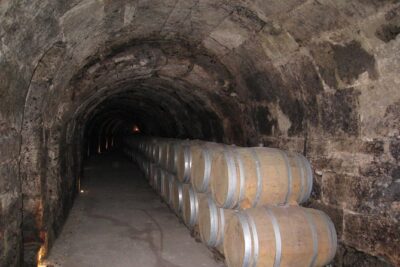
The highlight is a medieval underground cellar from the 16th century. The tunnels were excavated through rock, extend for roughly 7 kilometers, and reach about 13 meters below ground. They remain in use, so you are seeing a working part of the winery rather than a museum display built only for visitors.
This is where the day’s contrasts become clear. Earlier, you see modern buildings, equipment, and careful production systems. Here, the cellar’s shape, depth, and cool underground setting explain how wine could be stored long before modern climate control.
You also get another tasting and another set of local appetizers. It is the last tasting, but not an afterthought. For many people, this cellar is the most memorable part of the day because it links the wine in your glass with the physical history of the region.
The tunnels may not suit everyone. The tour is not suitable for wheelchair users, and anyone who dislikes underground spaces should consider that before booking. The provided information does not specify the exact temperature or walking conditions, so ask the operator if you have concerns about the cellar.
Transport, timing, and the real value of €218
The price is €218 per person. That is expensive for a day trip from Madrid, especially because lunch is not included. You are paying for round-trip transport, a bilingual expert guide, visits to three family-owned wineries, at least eight wines, and appetizers at each winery.
The value depends on how you would otherwise reach Ribera del Duero. The region is about two hours from Madrid by road, and visiting three wineries independently would require arranging transport, reservations, and a driver. Since tastings are spread across the day, the included vehicle removes the problem of driving after drinking.
At roughly 10 to 11 hours, the tour gives you a full day of wine country rather than a short tasting attached to a Madrid excursion. The three winery styles also add value. You are not paying for three versions of the same cellar visit.
There are a few practical drawbacks. Older comments describe problems with a bus public-address system, air conditioning, and broken seat vents. Those details may not reflect the current vehicle, but they are worth keeping in mind on a long drive. The journey can also feel tiring if you prefer a slow morning or dislike sitting in a vehicle for several hours.
The departure and return times make this easy to plan as a full-day activity, but not as something to combine with an evening reservation you cannot miss. The expected return is around 8:00 PM, with traffic able to push the schedule later.
Who will enjoy this tour most
I would recommend it to adults who care about Spanish wine, regional food, architecture, or historic cellars. It also works well for solo visitors. The group format gives you company without requiring you to arrange a private excursion.
It suits curious wine drinkers more than people who only want to buy a bottle and move on. The guides explain tasting, aromas, production, and local traditions, so you get more from the day if you ask questions and compare the wines rather than simply counting samples.
It is less suitable for children, since anyone under 12 cannot participate and the wine tastings require a minimum age of 18. It is also not appropriate for wheelchair users because of the winery and cellar conditions.
If your main goal is sightseeing in Segovia, this is not the right tour. An older version of the experience included only a brief stop or drive-through near Segovia, but the current focus is Ribera del Duero wineries. Book it for wine country, not for a second destination.
The bilingual setup is helpful, but it may not be perfectly even in every group. Guides such as Ismael have translated personally for English-speaking participants, and previous groups have included several nationalities. Still, if you need every explanation repeated in your language, expect the day to move a little more slowly.
Booking advice and final verdict
This is a strong choice if you want to understand why Ribera del Duero has become one of Spain’s best-known wine regions. The tour gives you three useful comparisons: acclaimed modern production, architecture tied to the vineyards, and a historic cellar still used today.
I especially like the 16th-century tunnels, the family-run focus, and the fact that the tastings come with food. The guides are another major part of the experience. Ismael, Muna, Antonio, and others have helped make the technical side accessible, including for mixed Spanish and English groups.
I would hesitate only if €218 feels high, if you want a shorter outing, or if you dislike long road trips. Lunch costs extra, and the day can feel full by the final winery. For a serious wine day from Madrid, though, the price is defensible because transport, three winery visits, tastings, snacks, and expert guidance are all bundled together.
Book this if you want a focused regional experience with real variety. Skip it if you prefer a relaxed two-hour excursion or need a fully accessible route.
FAQ
Where does the tour start in Madrid?
It starts at the front door of the cafeteria at Hotel Claridge, next to the hotel’s main entrance, at Plaza del Conde de Casal, 6, 28007 Madrid.
Which Metro station is closest to the meeting point?
The closest station is Conde de Casal on Metro Line 6.
What time does the tour depart?
Departure is scheduled for 9:15 AM.
How long is the drive from Madrid to Ribera del Duero?
The drive takes approximately two hours each way.
How many wineries will I visit?
You will visit three family-owned wineries in the Ribera del Duero region.
How many wines will I taste?
You will taste at least eight wines carrying the Denomination of Origin Ribera del Duero.
Is lunch included?
No. Lunch is not included. You receive at least one hour of free time after the first two wineries to choose and pay for your own meal.
How much should I budget for lunch?
A tapas lunch costs approximately €12 to €15. A full three-course meal costs about €30.
Can children join the tour?
Children under 12 cannot take part. The minimum age for the wine tastings is 18.
Is the tour offered in English?
Yes. The tour is offered in English and Spanish, with a bilingual guide. Both languages may be used in the same group when necessary.
Just added around Madrid
- Visit the National Archaeological Museum in Madrid★ 4.4 · 6 reviews
- From Madrid: Parque Warner Beach Water Park & Transport★ 3.9 · 14 reviews
- Madrid Wine Tasting, Flamenco Class and Pub Crawl★ 4.5 · 6 reviews
- Virtual Reality Experience Fun And Tickets & Imageen★ 5.0 · 12 reviews
- Visit to the Prado Museum★ 4.9 · 6 reviews
- Tuk Tuk Tour with Wine Test in Madrid★ 3.8 · 6 reviews
- Tuktuk historical tour of Madrid 1 Hr in a fun and original way★ 3.7 · 3 reviews
- Prado Museum VIP tour with an art Expert, tickets included★ 5.0 · 11 reviews
Ribera del Duero Winery Tours, compared.
Ribera del Duero Wineries Guided Tour & Wine Tasting from Madrid
Read our review →
Ribera del Duero:4 Wineries, tasting & Lunch included from Madrid
Read our review →
Ribera del Duero Winery Guided Tour and Wine Tasting from Madrid
Read our review →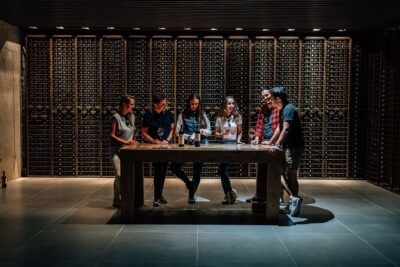
Private Segovia & Ribera del Duero with Wine Tasting from Madrid
Read our review →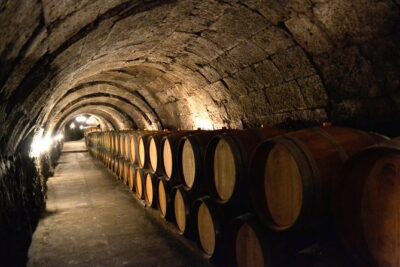
Ribera del Duero Small Group Tour: Tapas & Wine Tasting
Read our review →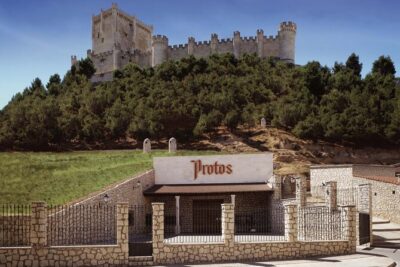
Premium Tour to Ribera del Duero with Wnologist Guide
Read our review →
Ribera del Duero Tour: Three Wineries and Lunch from Madrid
Read our review →
Browse the lists this tour appears in