
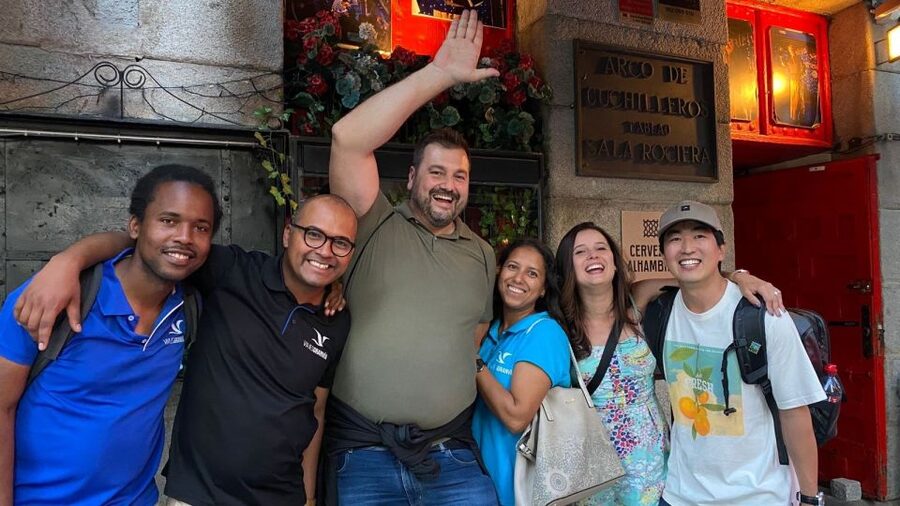
Reviewed · MADRID TAPAS TOURS
Discover the best “Wines and Tapas in Madrid”.
Madrid’s best food lessons often happen standing at a crowded bar, not sitting through a formal meal. This three-hour walk takes you through five traditional taverns, pairing Madrid landmarks with Iberian ham, oxtail, olives, cheeses, tortilla de patata, wine, vermouth, and beer.
I like the route’s clear local focus, especially the stops at El Anciano Rey de los Vinos and La Cava Baja’s taverns. I also like that the tastings cover more than 10 foods and drinks, so you get a useful first look at Spanish dining customs rather than one oversized plate.
The main consideration is pace. Five taverns in three hours means short visits and plenty of walking on old central streets. The tour runs in English and Spanish at the same time, and the exact taverns can change, so you should book it for the social food experience rather than a fixed restaurant itinerary.
Key points at a glance
- Five historic taverns: Follow a route through The Austrias, Plaza Mayor, Mercado de San Miguel, La Cava Baja, and nearby old streets.
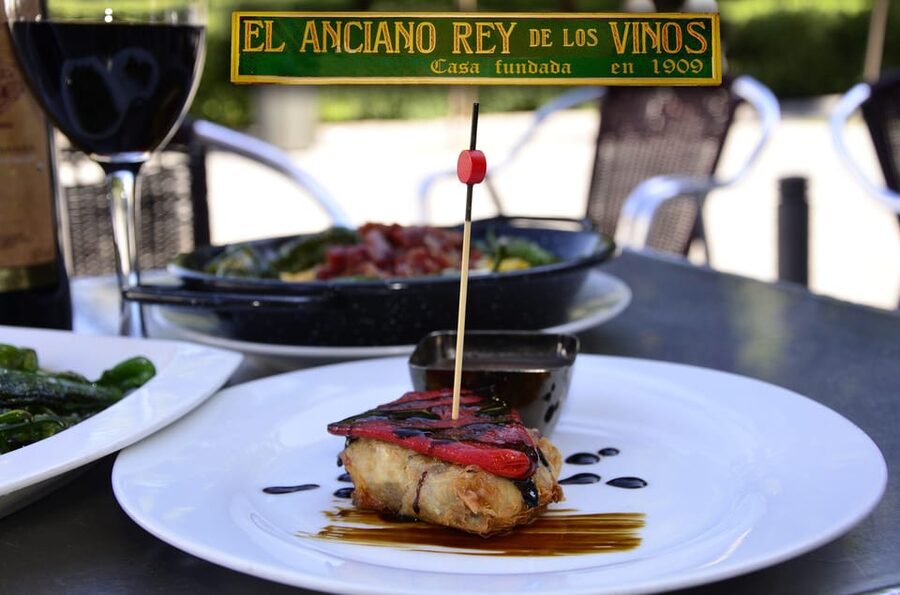
- More than 10 tastings: Expect Iberian ham, cheeses, olive oil, olives, sausages, bacon, oxtail, tortilla de patata, wine, vermouth, and beer.
- A true tapeo lesson: The guide explains why Spaniards move from bar to bar instead of treating dinner as one long sitting.
- Friendly guiding: Gibson received specific praise for combining Madrid history with food and drink.
- Three-hour walking tour: Wear comfortable shoes and arrive at the monument on Calle Mayor, 84, since late arrivals cannot join later.
- Good value for food-focused visitors: At $105 per person, the price makes most sense if you value guided context, several tastings, and five bar visits.
Starting at The Austrias and Calle Mayor
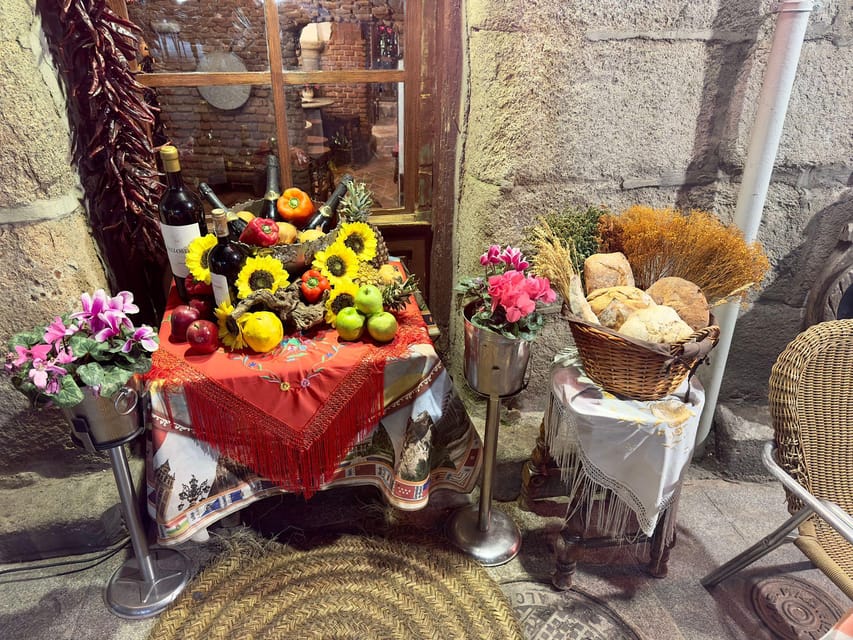
The meeting point is in front of the Monument to Victoria Eugenia and Alfonso XIII at Calle Mayor, 84. Look for a guide wearing a blue shirt or carrying an umbrella with the Viajes Gran Via logo.
This is a practical location in central Madrid, close to the old core and within the district known as The Austrias. The route begins among some of the city’s oldest taverns, so the setting does part of the teaching before the first bite arrives.
Arrive early. The instructions are firm: if you miss the starting time, you cannot simply join the group at a later stop. Bring only what you need, since large bags and luggage are not allowed. Comfortable shoes matter more than stylish ones here. You will walk over old city streets and move between several bars.
The guide leads in English and Spanish at the same time. That arrangement can make explanations a little less leisurely than a private English-only outing, but it also lets you meet people from different places. The advertised format is a small group, with the booking information listing a limit of one participant, so check the current availability details when you reserve.
More Madrid Tapas Tours:
- Madrid: Small Group of Prado Museum Tour & Optional Tapas
★ 4.6 · 2,437 reviews - Madrid: Tapas & Wine Tasting Tour with Local Guide
★ 4.8 · 2,171 reviews - Madrid Tapas & Wine Tour with Rooftop Views and Local Guide
★ 5.0 · 2,047 reviews
What tapeo means in Madrid
The central idea is tapeo, the Spanish habit of going out for small dishes and drinks across several bars. You are not signing up for a single restaurant meal. You are learning a rhythm: one drink and a bite here, a short walk, another specialty there.
That rhythm matters because Madrid’s food culture is tied to conversation, movement, and the character of each tavern. The guide explains why locals visit several bars in one evening and how each stop contributes something different.
For a first visit, this format is useful. You can sample foods that might be difficult to choose from a menu, hear the story behind them, and note which flavors you would like to seek out later. You also get a quick introduction to central Madrid without spending the whole day indoors.
The tradeoff is that this is not a slow tasting class. You may have only enough time at each stop for the featured food, a drink, and a short explanation. If you prefer long meals, detailed wine notes, or time to order extra dishes, you may find the schedule tight.
Stop one: El Anciano Rey de los Vinos
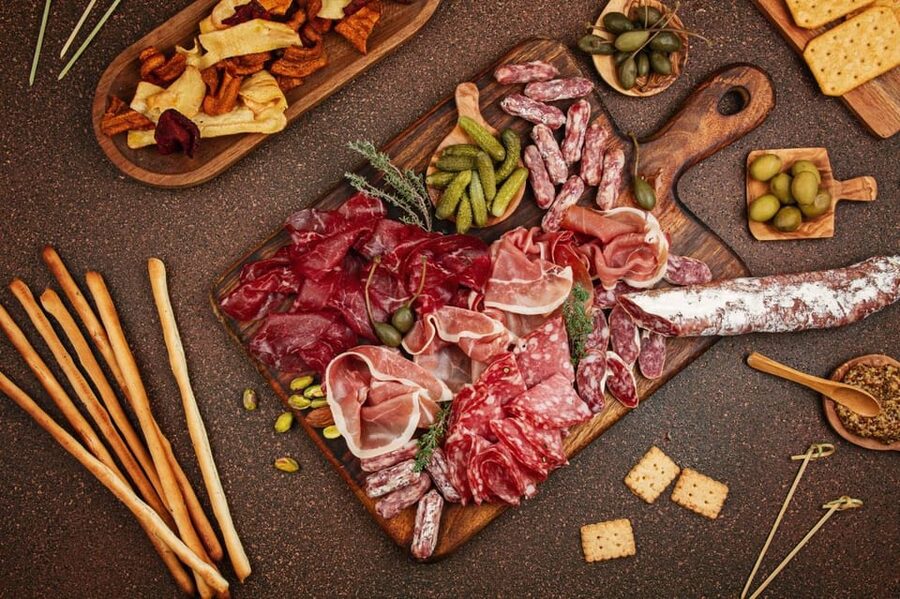
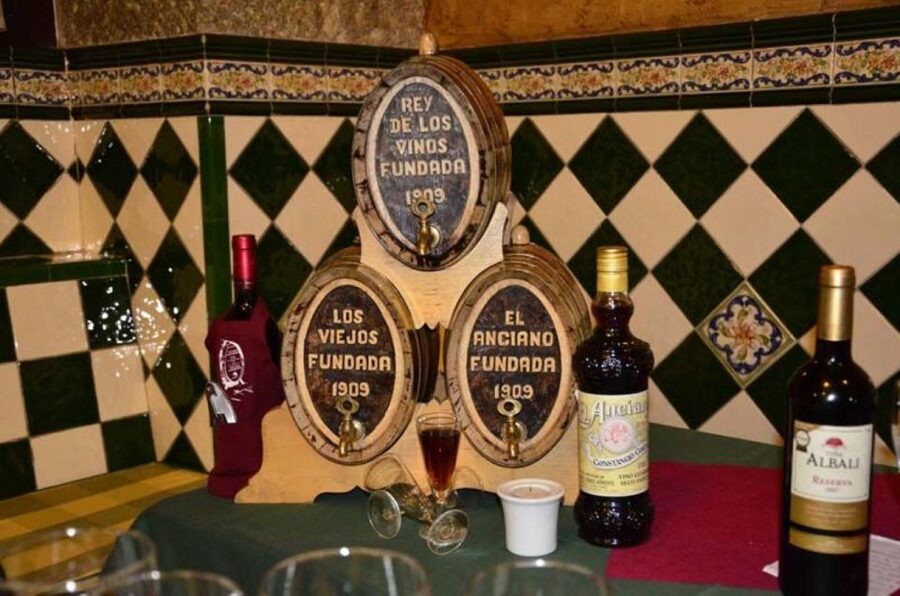
The first tavern, El Anciano Rey de los Vinos, is described as a centenary establishment with a strong connection to Madrid’s old bar culture. It is known for a broad wine selection, traditional vermouth, and signature tapas made from a closely guarded recipe.
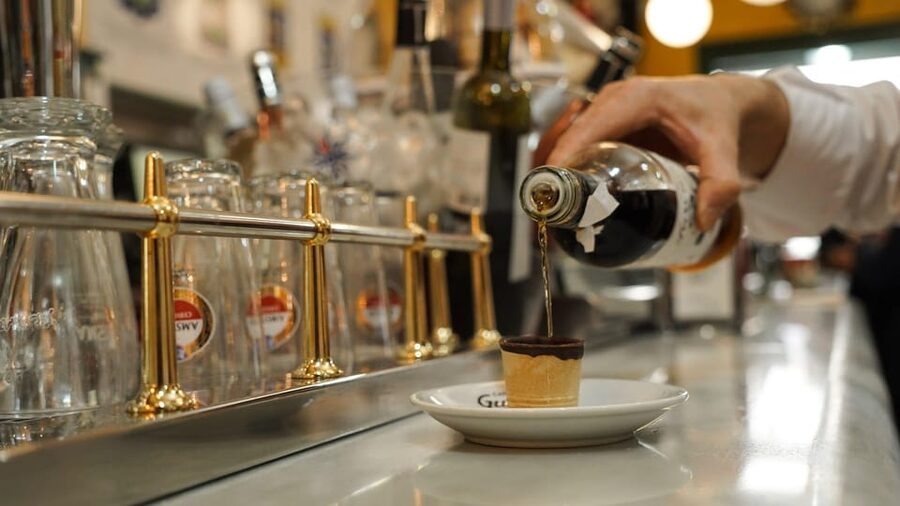
This is a good opening stop because it introduces two classic Madrid habits at once: drinking vermouth and eating a small savory bite at the bar. Vermouth is not simply a pre-dinner drink here. It is part of the city’s social routine, especially when paired with a snack and conversation.
Expect the guide to explain the tavern’s place in the city and to point out what makes its house specialties different. The stop should appeal to you if you want atmosphere and local custom, not just a quick food sample.
Because the route visits five places, you should not expect a full serving at every tavern. Think of each tasting as a piece of a larger meal. Save room, and do not arrive after a heavy lunch.
Stop two: Iberian products and acorn-fed ham
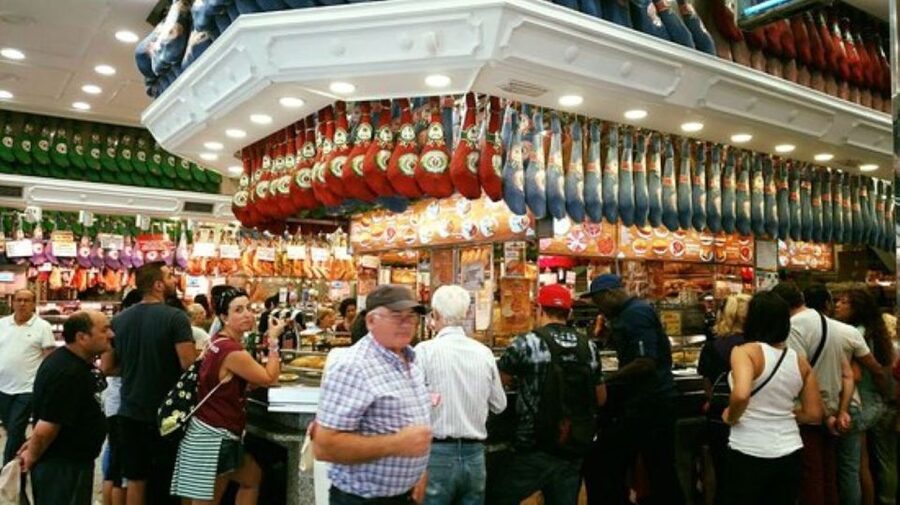
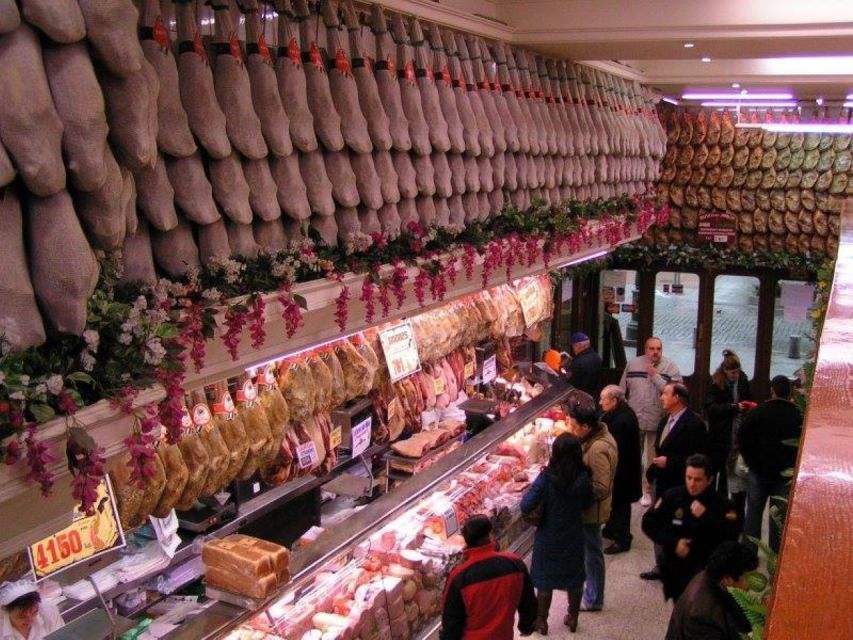
The second stop is El Mercado del Jamón, where the focus shifts to Iberian products. Here you learn about acorn-fed ham, Iberian sausages, cheeses, and olive oils.
For many visitors, this will be the most immediately useful food lesson. Spanish ham can look simple on the plate, but its flavor, texture, and price vary widely. Acorn-fed ham is presented as a key specialty, and the guide explains the character of the product rather than treating it as a generic cold cut.
You also taste Iberian bacon, several sausages, cheeses, and extra virgin olive oil. These foods show how much Spanish cooking depends on high-quality ingredients served with little fuss. A small slice of ham, a piece of cheese, or bread with olive oil can tell you more about local eating habits than an elaborate tourist menu.
This stop may be particularly worthwhile if you plan to buy food gifts later. The tour does not promise shopping time or specific purchases, but knowing what you are tasting helps you make better choices in markets and food shops.
More Madrid Wine Tastings and Winery Tours:
- Toledo Tour & Vineyard Walk with Wine Tasting from Madrid
★ 5.0 · 2,546 reviews - Paella Cooking Class in Madrid with Bottomless Wine Pairing
★ 5.0 · 985 reviews - Madrid Historic Centre Food Tour with Authentic Tapas & Wines
★ 5.0 · 814 reviews - Madrid Countryside Wineries Guided Tour with Wine Tasting
★ 5.0 · 740 reviews
Stop three: The secret behind seasoned olives
At El Rincón de la Cava, the subject is olives. The guide explains the preparation behind the tavern’s seasoned olives and why this simple bar snack has such a following.
Olives are easy to overlook because they appear on so many Spanish tables. Tasting them as part of a guided route gives you a chance to pay attention to seasoning, texture, and preparation. The point is not that olives need elaborate treatment. It is that a tavern’s version can become part of its identity.
This is also a reminder that tapas do not have to be complicated. A good bar snack can be small, salty, and made for sharing. It prepares you for the social side of tapeo, where the pleasure comes from the mix of food, drink, company, and place.
The exact order of stops may change, and the taverns can vary for reasons outside the company’s control. Go with an open plan. You are paying for the guided food route and its five-tavern structure, not a guaranteed seat at one particular bar.
Stop four: Torrezno in La Latina
The fourth tavern, La Muralla, is in La Latina, one of Madrid’s best-known areas for tapas. The featured bite is torrezno ibérico, a crisp and savory strip made from Iberian pork.
The description promises a secret inside the dish, which gives the guide a natural way to explain how torrezno is prepared and why its texture matters. This is the kind of food that makes sense in a tavern: rich, salty, crunchy, and suited to a drink.
La Latina adds a different feel to the route after the monuments and central streets near Plaza Mayor. Its tapas lanes are part of Madrid’s everyday food life, and walking through them helps connect the tasting to the neighborhood rather than keeping you inside a staged food venue.
Torrezno is not a light bite. By this point, you may already have sampled ham, cheese, sausages, olives, oil, and other foods. That is why pacing matters. Take small portions, drink water when you can, and remember that the aim is variety.
Stop five: Tortilla de patata and Belgian beer
The final stop is CafeeKe Cerveceria Belga, where the tour pairs beer with Madrid’s most famous tapa, tortilla de patata.
Tortilla de patata is a Spanish potato omelet, usually valued for the balance between potato, egg, and the cooking method. The tour presents it as a Madrid staple and combines it with a selection of beer. This gives the route a different finish from the wine and vermouth earlier in the afternoon.
The Belgian beer angle is also a useful contrast. The stop introduces the history of Belgian beer and lets you consider how beer works with Spanish bar food. Not every drink on a tapas route needs to be wine. Madrid’s bar culture makes room for beer, and tortilla is a natural match for it.
If you are mainly interested in Spanish wine, this stop may feel less central than the earlier taverns. If you enjoy beer or want to see the full range of Madrid’s bar habits, it rounds out the experience well.
The Madrid sights between the bites
Food is the main reason to book, but the route also passes several important places in the historic center. You walk through Plaza Mayor, by Mercado de San Miguel, past La Puerta Cerrada, and along La Cava Baja, among other locations.
The tour does not present itself as a full sightseeing walk, so you should not expect long visits inside monuments or markets. Instead, the streets provide context between tastings. The guide connects Madrid’s past, tavern traditions, and food culture as you move through the center.
Plaza Mayor is one of the city’s essential squares, while Mercado de San Miguel is a well-known food market. La Cava Baja is especially relevant for a tapas route because its bars and restaurants make it a natural setting for eating your way through Madrid.
The historical commentary is an important part of the value. One traveler specifically praised Gibson for being friendly and for adding plenty of Madrid history to the food and drinks. That tells you what to look for in the guiding: not just names and dates, but explanations of how the city’s tavern life developed.
What is included, and what you still pay for
The $105 price includes an expert guide in English and Spanish, a historical walking tour, visits to five traditional taverns, five included consumptions, and more than 10 tastings.
That is a substantial amount of food and drink for three hours, but the value depends on how you normally travel. If you would happily order several tapas and drinks in central Madrid, the included tastings can make the price reasonable. You also receive a planned route and local explanations, which can save you from guessing your way through unfamiliar menus.
The price does not include hotel pickup, drop-off, or extra consumption. You pay separately if you want more drinks or food beyond the included portions.
I would compare this with the cost of booking your own tapas evening. Doing it independently may be cheaper, but you would need to choose the bars, manage the route, understand the menu, and provide your own historical context. The tour is most worthwhile for your first Madrid visit, for solo visitors who want company, or for anyone who prefers a structured introduction.
It is less useful if you already know Madrid’s bar districts well or want to select every dish yourself.
Who should book this food walk
I would recommend it to you if you enjoy walking, trying many small portions, and learning through local food. It suits first-time visitors who want to combine sightseeing with an evening-style eating custom, even though the experience lasts three hours rather than a full night.
It also works well for people who are unsure what to order in a Spanish tavern. The tasting list covers major staples: ham, sausages, cheese, olive oil, olives, bacon, oxtail, tortilla, wine, vermouth, and beer.
You should think twice if you use a wheelchair, since the experience is not suitable for wheelchair users. It is also a poor fit if you need a fully fixed itinerary, dislike shared tastings, or want a quiet sit-down meal.
Dietary information is not provided, so ask the operator before booking if you have allergies or strict food requirements. The tour includes pork-heavy foods and several traditional preparations, so do not assume substitutions are available.
Free cancellation is available up to 24 hours before the start, and you can reserve while paying later. Digital and printed vouchers are accepted. Pets and large bags are not allowed.
My call on the Madrid tavern route
Book this tour if you want a lively first lesson in Madrid’s food culture and like the idea of moving through five old taverns rather than eating in one restaurant. The strongest features are the range of tastings, the historic route, and the chance to understand tapeo from a guide such as Gibson, who combines food with city history.
Skip it if you need a slow pace, a guaranteed list of venues, or detailed wine education. At $105, the tour earns its price through variety and guidance, not luxury dining.
Arrive early at Calle Mayor, wear comfortable shoes, and come hungry but not starving. With the right expectations, this is a practical way to learn how Madrid eats, one small plate and one bar at a time.
FAQ
How long does the Wines and Tapas in Madrid tour last?
The tour lasts three hours.
How much does the tour cost?
The price is $105 per person.
How many taverns do you visit?
The route includes visits to five historical and traditional taverns.
How many tastings are included?
The experience includes five consumptions and more than 10 tastings.
Which foods and drinks are included?
The tastings may include oxtail, Iberian sausages, cheeses, acorn-fed ham, extra virgin olive oil, seasoned olives, Iberian bacon, tortilla de patata, wine, vermouth, and beer.
Is the tour offered in English?
Yes. The tour is conducted in English and Spanish at the same time.
Where is the meeting point?
Meet in front of the Monument to Victoria Eugenia and Alfonso XIII at Calle Mayor, 84, 28013 Madrid. Look for a guide wearing a blue shirt or carrying a Viajes Gran Via logo umbrella.
What should I bring?
Bring comfortable shoes. Digital or printed vouchers are accepted.
Can I cancel the booking?
Yes. You can cancel up to 24 hours in advance for a full refund. You can also reserve now and pay later.
Just added around Madrid
- Visit the National Archaeological Museum in Madrid★ 4.4 · 6 reviews
- From Madrid: Parque Warner Beach Water Park & Transport★ 3.9 · 14 reviews
- Madrid Wine Tasting, Flamenco Class and Pub Crawl★ 4.5 · 6 reviews
- Virtual Reality Experience Fun And Tickets & Imageen★ 5.0 · 12 reviews
- Visit to the Prado Museum★ 4.9 · 6 reviews
- Tuk Tuk Tour with Wine Test in Madrid★ 3.8 · 6 reviews
- Tuktuk historical tour of Madrid 1 Hr in a fun and original way★ 3.7 · 3 reviews
- Prado Museum VIP tour with an art Expert, tickets included★ 5.0 · 11 reviews
Madrid Tapas Tours, compared.

Small Group of Prado Museum Tour & Optional Tapas
Read our review →
Madrid Tapas & Wine Tour with Rooftop Views and Local Guide
Read our review →
Madrid by Night Small Group Tour: Stories, Sights and Tapas Bites
Read our review →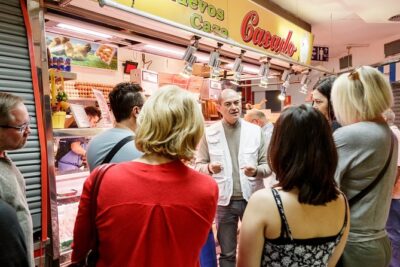
Spanish Cooking Class Paella Tapas and Sangria in Madrid
Read our review →
Highlights Guided Vintage Bike Tour and Tapas Option
Read our review →
Royal Palace Expert Guided Tour with Optional Tapas
Read our review →
Madrid Historic Centre Food Tour with Authentic Tapas & Wines
Read our review →Browse the lists this tour appears in