
Reviewed · MADRID BIKE TOURS
Madrid: Street Art Bike Tour
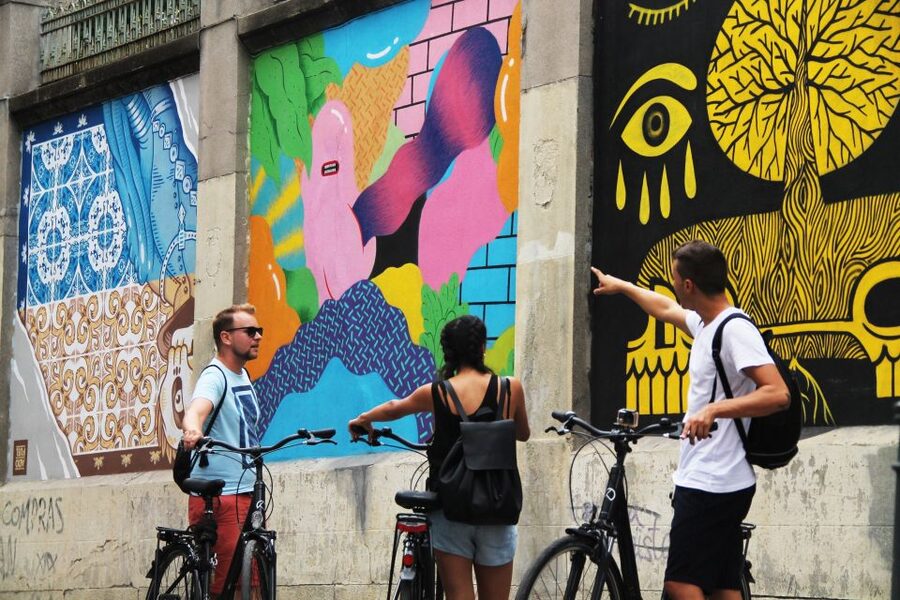
Madrid’s street art makes the city feel like an open-air gallery, but this tour adds something a museum cannot: you move through the neighborhoods where the work was created. A local graffiti artist leads you from Muelle’s preserved 1989 tag to Boa Mistura’s early work, festival murals in Malasaña, and community art spaces in Lavapiés.
I like the artist-led commentary, which explains both the story of Madrid’s graffiti movement and the techniques used on walls, shutters, and street furniture. I also like the neighborhood focus: Malasaña and Lavapiés give you more than isolated murals, showing how art connects with local groups and changing city streets.
The main caution is the cycling. Madrid traffic, city riding, and one uphill section can challenge anyone who is not comfortable on a bike. The tour is described as lasting 2.5 hours in one place and three hours elsewhere, so check the confirmed duration and starting time when booking.
Key points to know before you book
- Muelle’s 1989 tag: See one of the few preserved marks linked to Madrid’s early graffiti movement.
- Boa Mistura’s first photographed work: Stop at an early piece by a Madrid crew now known for projects around the world.
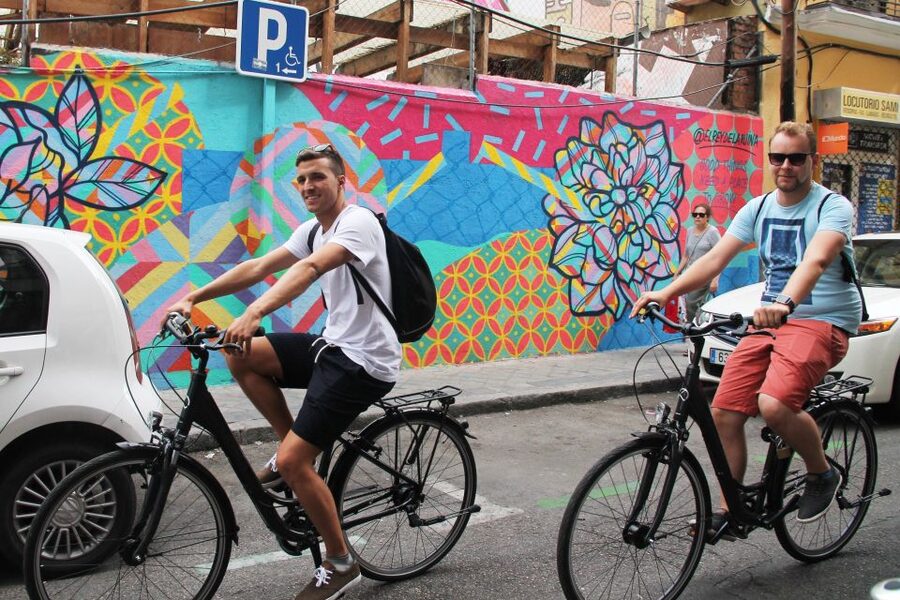
- Pinta Malasaña murals: Cycle through the neighborhood’s festival artwork, including the playful Bolardo Voy, Bolardo Vengo.
- Community-made art spaces: Visit Solar Antonio Grilo and Esto es una Plaza, former abandoned sites reshaped by local groups.
- Medium-level city cycling: You get bikes, helmets, and locks, but you should already feel at ease riding around traffic.
- A useful price point: At $46 per person, the fee covers a bike, safety equipment, guide, map, and a focused 2.5-hour art route.
Why this bike tour works for Madrid street art
Madrid’s street art is scattered across ordinary streets. You can find painted shutters, tags, murals, posters, and decorated bits of street furniture while walking, but without context it is easy to miss the difference between a quick tag, a planned mural, and a community project.
This tour gives those details a clear order. You begin with the development of graffiti in Madrid, then ride through pieces by known artists and crews, and finish with neighborhood projects where art is tied to local use. I like that structure because it avoids treating every painted wall as the same.
You also get a sense of Madrid’s newer cultural story. The route links a preserved piece from the late 1980s with festival work from the 2010s and ongoing community spaces. That makes the ride useful for anyone interested in how a city’s public art changes over time.
The guide is a local graffiti artist, not simply a person pointing out murals from a map. That matters here. You can expect explanations of methods used on walls, metal shutters, and other city surfaces, along with the background of the artists and festivals connected to the work.
More Madrid Bike Tours:
- Madrid Highlights Bike Tour
★ 5.0 · 1,731 reviews - Best of Madrid: 3-Hour Guided Bike Tour in Small Groups
★ 4.8 · 1,417 reviews - Madrid: Highlights Guided Vintage Bike Tour and Tapas Option
★ 4.9 · 962 reviews
Meeting at Montera 32
The tour begins outside the small Carrefour Express at C/Montera 32. The nearest metro stations are Gran Vía and Sol, so the meeting point is in a central part of Madrid and should be easy to connect with from many parts of the city.
The activity returns to this same meeting point at the end. That is handy if you want to continue sightseeing nearby, and it means you do not need to arrange separate transport back from Lavapiés or Malasaña.
Arrive ready to ride rather than treating this as a walking tour with occasional cycling. Comfortable shoes are recommended, and you should bring a passport or identity card. Bikes, helmets, locks, and a Madrid city map are included.
The supplied information describes the activity as 2.5 hours, while the practical notes call it a three-hour medium-level activity. The difference may reflect timing on a particular departure, safety briefing, or the full duration from meeting to return. Check the booking details for the exact time before you plan a tight museum visit afterward.
Muelle and the beginning of Madrid graffiti
One of the most meaningful early stops is a preserved tag by Muelle, whose name refers to a mattress spring. Muelle is considered a pioneer of Madrid’s graffiti movement, and the tag dates from 1989.
This is not a grand mural. That is exactly why it matters. A small signature can tell you more about the beginnings of a local scene than a polished wall commissioned for a festival. Your guide explains how a very young artist helped establish a new cultural movement in Madrid, giving you a starting point for understanding the city’s graffiti culture.
The stop should appeal to anyone who likes urban history and the marks people leave behind in ordinary places. It also helps put newer works into context. After seeing a preserved tag from the early period, you can better appreciate how much public art has changed in style, scale, and acceptance.
Do not expect a formal exhibit or a long indoor presentation. The experience is built around standing briefly near pieces, listening, and then riding onward. That keeps the pace moving, but it also means you should pay attention while the guide is explaining the work.
Safety briefing and the ride toward Alonso Martínez
After the opening section, the guide explains bicycle safety before the group sets off toward Alonso Martínez. This is an important part of the activity, not a throwaway detail. You will be riding through central Madrid, and the tour requires more awareness than a quiet path through a park.
The route includes one uphill stretch and is described as medium level. You do not need to be a competitive cyclist, but you should know how to control a bike, watch for traffic, and keep moving in an urban setting. One participant found that less experienced cyclists in the group had difficulty with Madrid traffic and uphill sections, even though the guide adjusted the ride where possible.
That is useful advice for families and mixed-ability groups. A seven-year-old child completed the experience on their own bike with family, but age alone does not determine suitability. Your child should be comfortable cycling in a city and following safety instructions.
The tour provides a helmet and lock. Those inclusions make the $46 fee more reasonable, since you are not paying only for commentary. You are also getting the bike and the basic equipment needed for the route.
A different sort of day out around Madrid:
- Madrid: Tour Bernabéu Entry Ticket
★ 4.5 · 21,573 reviews - Madrid: Prado Museum Entry Ticket
★ 4.6 · 17,509 reviews - Madrid: “Emociones” Live Flamenco Performance
★ 4.8 · 12,866 reviews - Madrid: Panoramic Route City Tour
★ 4.1 · 12,259 reviews
Boa Mistura at Alonso Martínez
At Alonso Martínez, you stop to photograph the first piece created by Boa Mistura. This crew was born and raised on the outskirts of Madrid and has worked on street art projects around the world. The guide uses the piece to show how a local group can grow into a respected creative agency without losing its connection to the city where it began.
This stop adds a useful contrast to Muelle. The earlier tag represents a young graffiti movement taking shape. Boa Mistura’s work shows a later stage, when street art could reach a larger audience and move into organized public projects.
You will likely find this section especially useful if you want to understand the difference between graffiti as personal marking and street art as a planned visual project. The tour does not present them as identical. Instead, it places different artists and approaches along the same city route.
The stop is also practical for photographers. The itinerary specifically includes the opportunity to photograph Boa Mistura’s first piece, so have your phone or camera ready. Since street art can change or disappear, documenting the work adds value to the visit.
Malasaña and the Pinta Malasaña festival
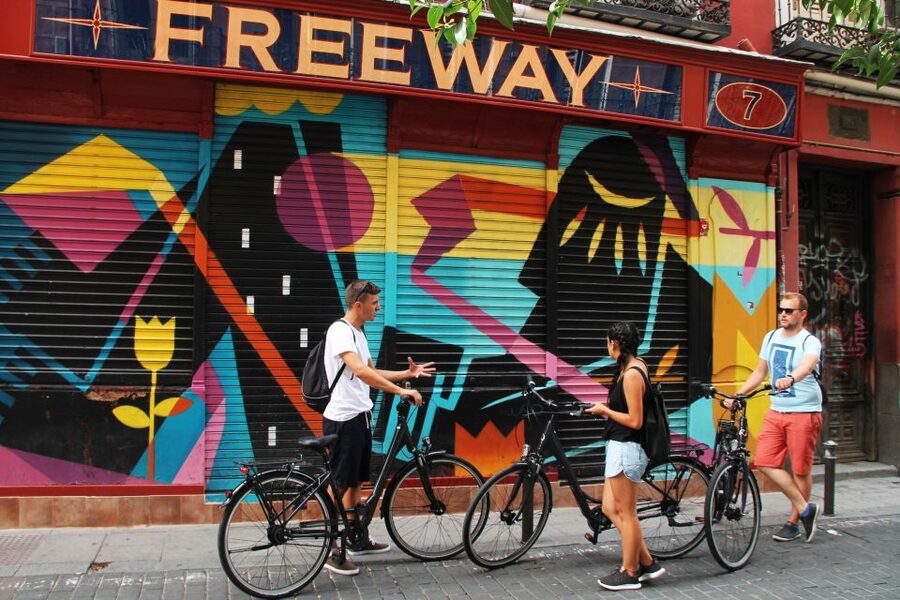
From Alonso Martínez, the ride continues toward Malasaña, one of Madrid’s trendier neighborhoods. The area is known here for its street art festival, Pinta Malasaña, which fills the neighborhood with new work during April.
The tour focuses on pieces by national artists who took part in the 2017 edition. You will not simply see one large mural and move on. The route crosses several interventions, letting you compare styles and notice how art fits onto walls, shutters, and other city surfaces.
Plaza Dos de Mayo is the center of the festival area. One featured work, Bolardo Voy, Bolardo Vengo, uses traffic bollards as part of its display. It is a good reminder that street art does not need a blank wall. Ordinary objects can become part of the artwork when an artist changes how you look at them.
I like this part of the ride because Malasaña is not treated as a backdrop. The neighborhood’s streets, plazas, shops, and street furniture are part of the story. You see how a festival can temporarily change the feel of a district and how public art can work at many different scales.
The timing of the festival is worth noting. The information specifically connects Pinta Malasaña with April, while the tour itself may operate at other times. You can still see existing works, but the atmosphere may differ from the festival period, and some pieces may have changed over time.
Solar Antonio Grilo and Esto es una Plaza
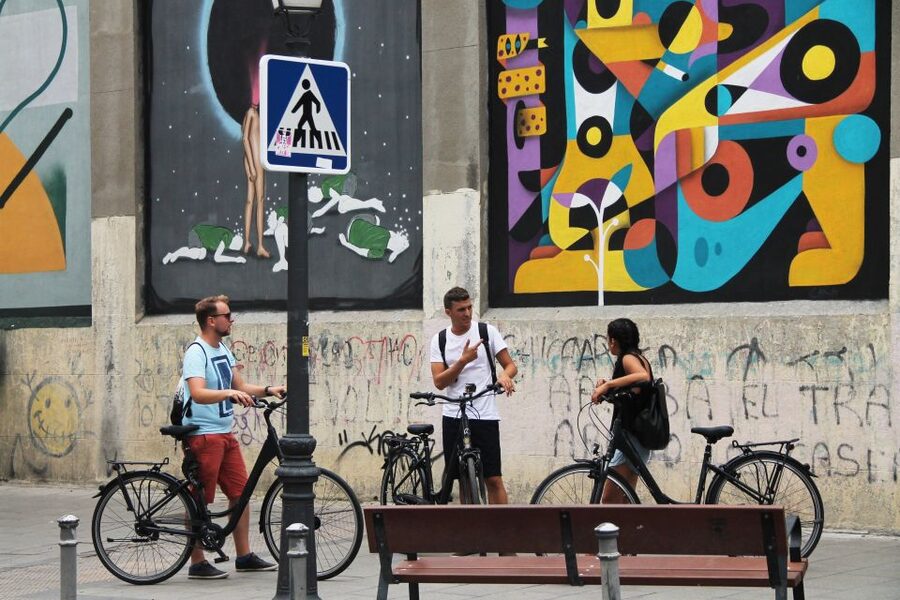
The ride then reaches two community spaces: Solar Antonio Grilo and Esto es una Plaza. Both began as abandoned places and were reshaped for community use, with street art as part of the result.
These sites give the tour a broader purpose. You are not only looking at art created for decoration or recognition. You are seeing how residents can reclaim unused urban space and build places that serve the neighborhood.
The gardens are described as examples of hybrid economy systems, where community needs and practical local activity work together. Your guide can connect the art to that wider idea, helping you see why these spaces matter beyond their painted surfaces.
Esto es una Plaza is linked with the Lavapiés and Noviciado areas, while the route also visits Solar Antonio Grilo. Both offer a different mood from the festival work in Malasaña. The art here is part of a living community setting rather than a temporary display arranged mainly for public viewing.
You will encounter work connected with artists including El Rey de la Ruina, Cassassola, Ze Carrión, and Por Favor, along with others. The appeal is the range of voices. Some pieces may be polished and graphic, while others may feel rougher or more personal. The guide’s role is to explain how those works fit into the places around them.
How difficult is the cycling?
The ride is not presented as a beginner bicycle lesson. It is a medium-level activity with city traffic and one uphill section. That combination deserves more attention than the word bike in the title might suggest.
If you regularly ride in towns or cities, you should find the route manageable, provided you stay alert and follow the guide. If you rarely cycle, you may spend too much energy watching the road to fully enjoy the art.
The guide can adjust the tour to help the group, but that does not remove the basic demands of city cycling. I would be cautious about booking for anyone who is uncomfortable riding near traffic, even if they are fit enough for a longer ride on a quiet path.
Families can consider the tour, but children should be able to ride their own bikes and follow directions. One family completed it with a seven-year-old on their own bicycle, which suggests that confident young cyclists can take part. The deciding factor is riding ability, not simply age.
Wear comfortable shoes, bring your identification, and avoid packing anything that will make it hard to balance or stop. Drinks are not included, so plan accordingly, especially if you are riding on a warm day.
Is $46 a fair price?
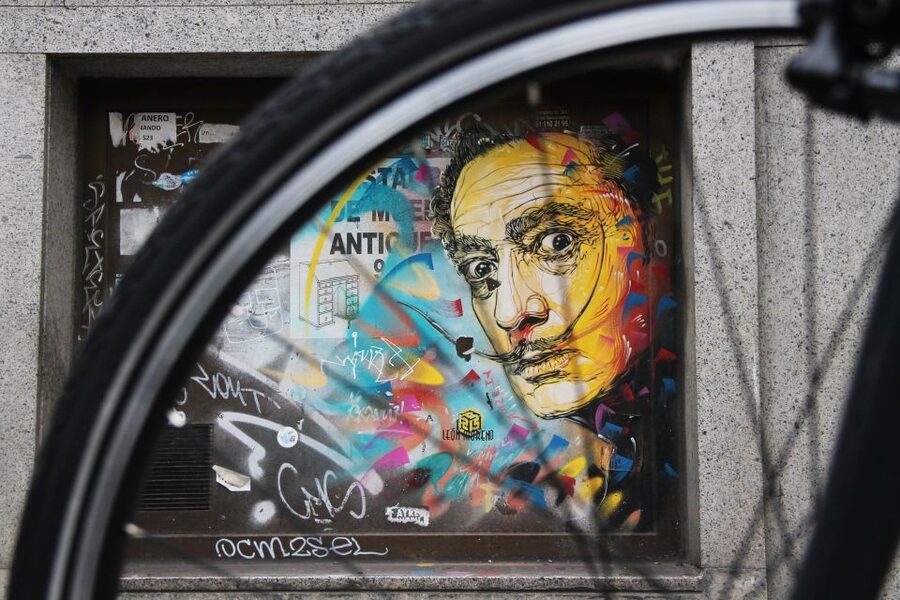
At $46 per person, this is a reasonable price if you want more than a self-guided mural hunt. You receive a bicycle, helmet, lock, Madrid map, restroom break, and a live guide in English or Spanish.
The biggest part of the value is the route design. You could walk through Malasaña and Lavapiés on your own, but you might miss the preserved Muelle tag, the first Boa Mistura piece, the festival connections, or the community role of the gardens. You would also need to locate and research the work yourself.
The tour is less compelling if you already know Madrid’s street art scene and prefer to move at your own pace. A bike group follows a planned route, and stops are shaped by the guide’s timing. You will have less freedom than on an independent walk.
The artist-led format makes the cost easier to justify. You are paying for local interpretation, not just transport between neighborhoods. The price also includes the practical equipment, so there are no separate bicycle rental costs to add.
Who should book this experience?
I would choose this tour for first-time visitors who want to see a modern side of Madrid, repeat visitors looking beyond the major monuments, and anyone interested in graffiti, public design, or community projects.
It also suits people who enjoy learning while moving. The route combines short explanations with active sightseeing, so you are not spending the full experience indoors or standing in one place.
Families should consider it if everyone can cycle confidently in an urban setting. The guide has shown flexibility with mixed abilities, but the ride remains a city activity. Anyone looking for a relaxed, traffic-free outing should choose a different kind of bike experience.
The tour is available in English or Spanish. Its focus is specific, so you should book it because you want Madrid’s street art and neighborhoods, not simply because you want to rent a bicycle.
Practical details that affect your choice
Cancellation is free up to 24 hours before the activity for a full refund. You can also reserve now and pay later, which helps if your Madrid plans are still shifting.
The experience begins and ends at C/Montera 32, near Gran Vía and Sol. A restroom break is included, but beverages are not, so bring what you need for the ride.
The provider is Cooltourspain. The activity has a 4.5 rating from 21 reviews, with especially strong praise for the guides’ friendly approach, the explanations of Madrid’s recent history, and the way the cycling route reveals less obvious neighborhoods.
One guide named in the feedback is Javier. A family described him as friendly and experienced, and said the ride worked well even with their seven-year-old cycling independently. That does not guarantee the same guide for every departure, but it gives you a useful picture of the personal style this experience aims for.
Should you book the Madrid Street Art Bike Tour?
Book it if you want an active, neighborhood-based look at Madrid’s graffiti scene, especially the link between Muelle, Boa Mistura, Pinta Malasaña, and community spaces such as Esto es una Plaza.
Skip it if city cycling makes you nervous or if you want a slow walking tour with lots of time at each artwork. For confident cyclists, $46 is a fair price for the equipment, route, and local artist’s commentary. For everyone else, the traffic and uphill section may take attention away from the art.
FAQ
How long does the Madrid Street Art Bike Tour last?
The main activity details list a duration of 2.5 hours. Another note describes it as a three-hour medium-level activity, so check the confirmed duration and start time when booking.
Where does the tour begin and end?
It begins at the entrance of the small Carrefour Express at C/Montera 32, near Gran Vía and Sol. The tour ends back at the same meeting point.
Which languages are available?
A live guide is available in English or Spanish.
What equipment is included?
The price includes bicycle rental, a helmet, a lock, and a Madrid city map. A restroom break is also included.
Is the tour suitable for children?
Children can take part if they are comfortable riding their own bicycle in a city and can follow safety instructions. A seven-year-old completed the tour on their own bike, but the activity still includes traffic and one uphill section.
What should I bring?
Bring a passport or identity card and comfortable shoes. Beverages are not included, so you should plan your own drinks.
More Street Art Tours in Madrid
- Madrid: Street Art Tour with Local Graffiti Hunter
★ 4.8 · 270 reviews - Street Art Guided Tour in Madrid
★ 5.0 · 175 reviews - Madrid Hidden Street Art Tour
★ 5.0 · 12 reviews - Madrid: Hidden Street Art Tour
★ 5.0 · 11 reviews
Just added around Madrid
- Madrid Wine Tasting, Flamenco Class and Pub Crawl★ 4.5 · 6 reviews
- Visit the National Archaeological Museum in Madrid★ 4.4 · 6 reviews
- From Madrid: Parque Warner Beach Water Park & Transport★ 3.9 · 14 reviews
- Virtual Reality Experience Fun And Tickets & Imageen★ 5.0 · 12 reviews
- Visit to the Prado Museum★ 4.9 · 6 reviews
- Tuk Tuk Tour with Wine Test in Madrid★ 3.8 · 6 reviews
- Tuktuk historical tour of Madrid 1 Hr in a fun and original way★ 3.7 · 3 reviews
- Prado Museum VIP tour with an art Expert, tickets included★ 5.0 · 11 reviews
Madrid Bike Tours, compared.
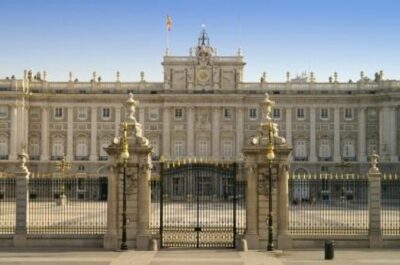
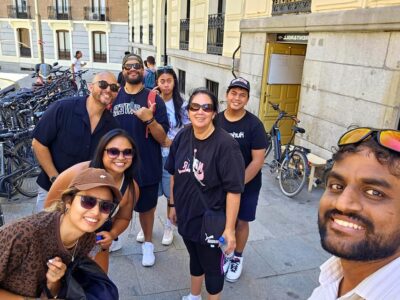
Best of Madrid: 3-Hour Guided Bike Tour in Small Groups
Read our review →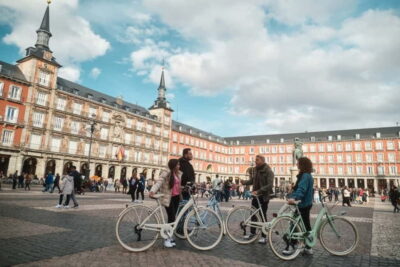
Highlights Guided Vintage Bike Tour and Tapas Option
Read our review →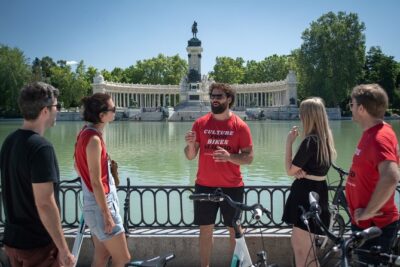
3 hour Guided Highlights Bike Tour with Optional Tapas
Read our review →
Madrid City Guided Bike/E-Bike Tour for Small Groups
Read our review →

All Madrid: Private Electric Bike Tour around the city
Read our review →
Madrid Sightseeing Electric Bike tour (Small group. Semi private)
Read our review →Browse the lists this tour appears in