Reviewed · STREET ART
Madrid: Hidden Street Art Tour
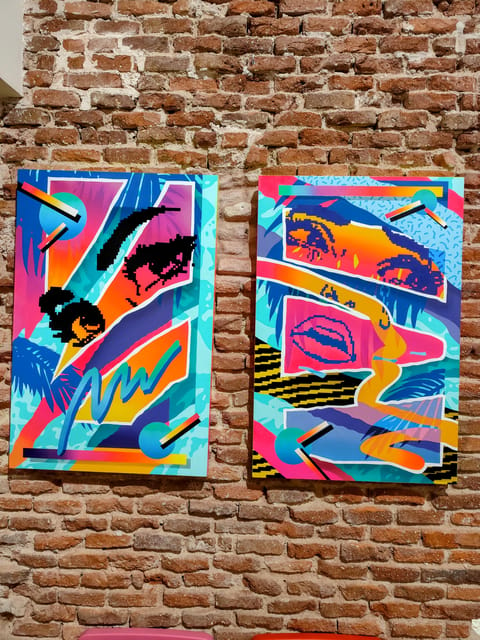
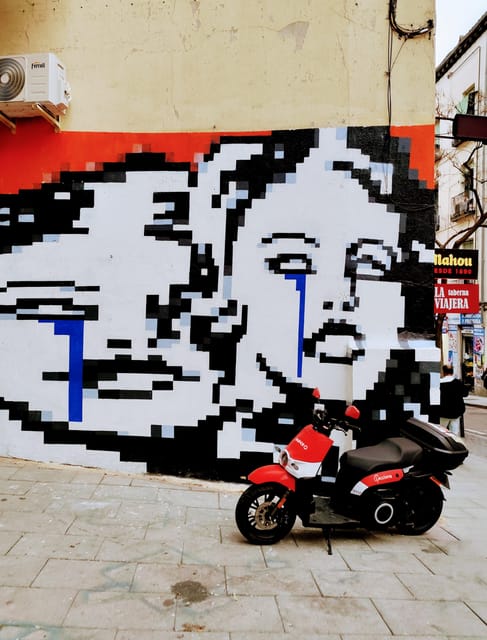
Madrid’s best street art is not confined to a museum wall. In Lavapiés, it appears on broad building fronts, around market corners, beside doorways, and in details so small you could walk past them without noticing. This two-hour walk connects those pieces to the people, festivals, and local culture behind them.
I like two things right away: the small group, limited to 10, keeps the outing relaxed, and the guides bring an artist’s or art historian’s eye to the route. Roberto, one of the named guides, has been praised for making the neighborhood feel like a friend is showing you around. The main consideration is that this is a walking tour through city streets, so it may feel less satisfying if you want a formal museum visit or a long sit-down talk.
Key points at a glance
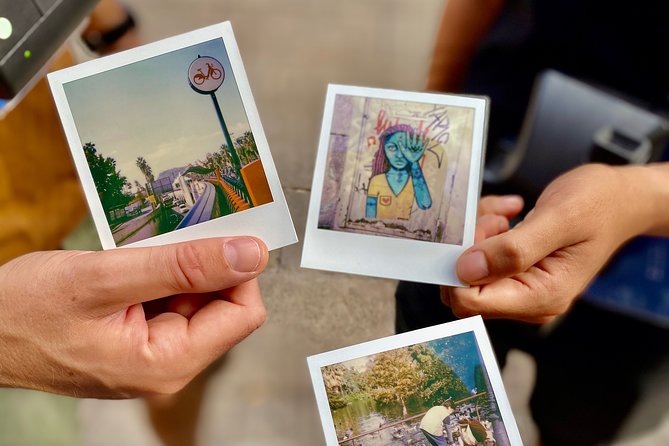
- Lavapiés beyond the main sights: Walk through a Madrid neighborhood known for street art and an eclectic local character.
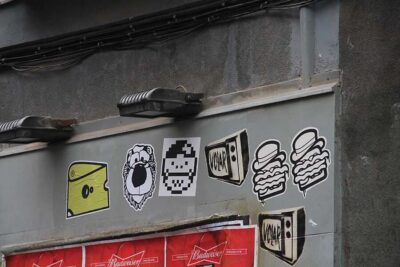
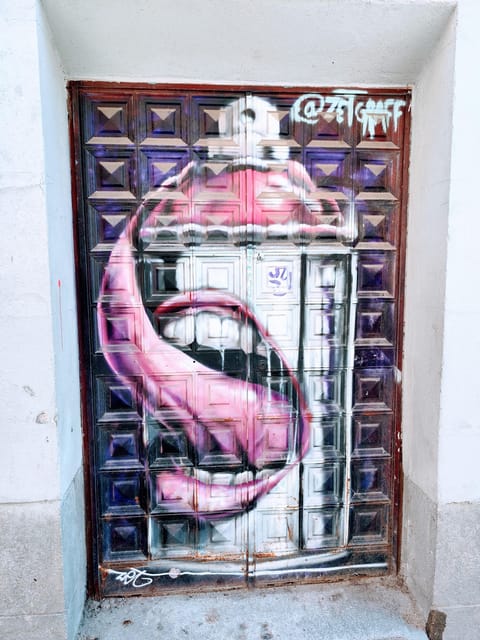
- Big murals and tiny details: See major wall pieces alongside tags, paste-ups, ceramic work, and small visual jokes.
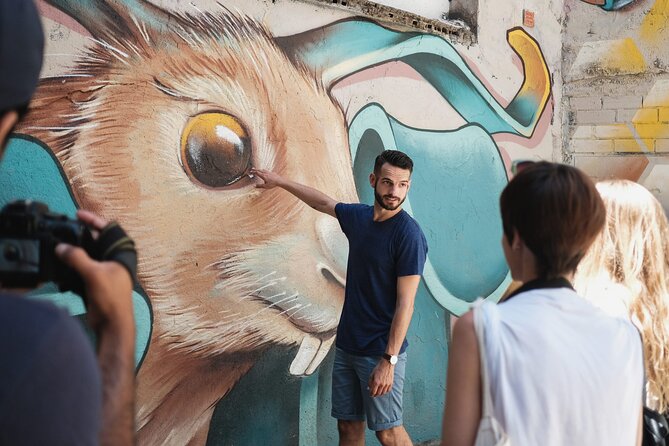
- Artist-led interpretation: Guides are artists or art historians who explain styles, symbols, artists, and cultural references.
- A local gallery finish: The walk ends at a neighborhood gallery, with a chance to meet local artists.
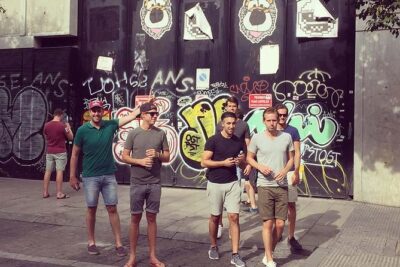
- Small-group pace: A maximum of 10 people makes it easier to hear the guide and pause at artworks.
- Good value at $33: The price covers two hours of guiding and local art context, but not anything you buy at the gallery.
Why Lavapiés makes a strong street art setting
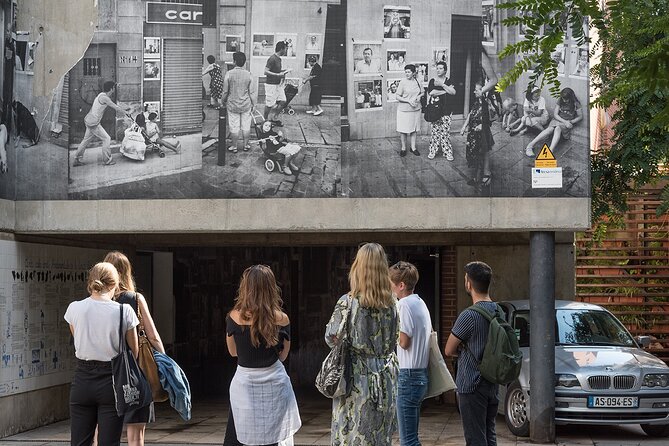
Lavapiés gives you a useful contrast to Madrid’s grand museums and postcard streets. The neighborhood is not presented as a polished open-air gallery. Instead, art appears as part of daily life, sharing space with homes, shops, restaurants, markets, and passing residents.
That setting matters. You are not only looking at finished murals. You are learning how street art changes a neighborhood and how local artists use public walls to comment on identity, culture, politics, humor, and everyday life. The guide helps you connect the image in front of you with the place where it appears.
I like this approach because it gives you a better way to see Madrid after the tour. Once you know the difference between a tag, a paste-up, a mural, and other forms of urban art, you begin noticing details on your own. A quick walk across town can turn into a visual hunt.
The tour also gives you a look at a part of Madrid away from the main museum circuit. You may still pass near major cultural landmarks, but the focus stays on the neighborhood streets and the people who use them.
More Street Art Tours in Madrid:
- Madrid: Street Art Tour with Local Graffiti Hunter
★ 4.8 · 270 reviews - Street Art Guided Tour in Madrid
★ 5.0 · 175 reviews - Madrid: Street Art Bike Tour
★ 4.5 · 21 reviews
Starting at Portomarín and settling into the walk
The meeting point is in front of the Portomarín restaurant. If you arrive early, you can stop inside for a coffee or a refreshment, which is a practical touch when your schedule has a little space before the start.
From there, the route moves on foot through Lavapiés. The first portion includes a walk of about 10 minutes along Calle de Argumosa. This helps set the tone: you are moving through an active neighborhood rather than being driven between isolated art sites.
Because the group is small, you should have a fair chance to see the work without being pushed to the edge of a large crowd. It also makes questions easier. That is useful on a street art tour, where the artwork may be partly concealed by parked cars, signs, construction, or the ordinary clutter of city life.
Expect a steady walk rather than strenuous hiking. One guide kept the pace comfortable during a hot afternoon, which is worth noting if you book in summer. Still, wear comfortable shoes and bring water. The tour lasts two hours, and most of that time is spent outdoors.
Calle de Argumosa and the first street-level clues
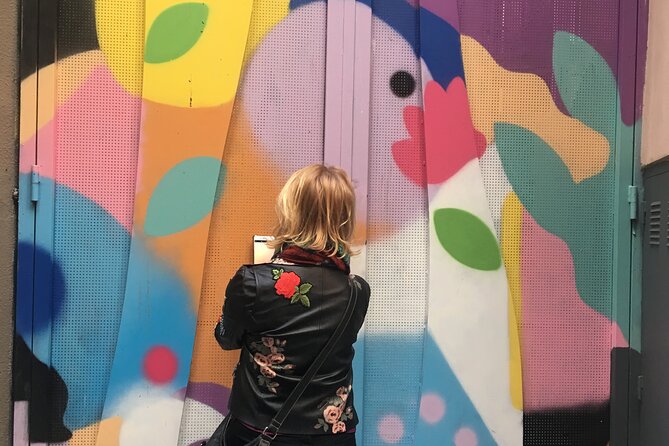
Calle de Argumosa is one of the early places where you begin reading the neighborhood through its walls. The value here is not only in finding one famous image. It is in learning to scan the street from eye level to roofline and from large surfaces to small corners.
A good guide points out work that you might miss alone. Some pieces are large enough to dominate a façade. Others can be tiny additions placed on shutters, walls, or street furniture. Their scale changes how you experience them. A giant mural asks you to stop and look up, while a small pasted image rewards close attention.
The guide also explains the main artists connected with the local scene and what their work can symbolize. You will hear about styles and cultural references rather than simply receiving a list of names. That makes the tour useful for beginners, but it also gives art fans a clearer way to sort the different techniques they see.
Do not expect every piece to remain unchanged. Street art is temporary by nature. New work appears, old work fades, and walls can be painted over. That changing quality is part of the subject, but it means your tour is tied to a particular moment in the neighborhood.
Passing the Reina Sofía without turning it into a museum tour
The route passes by the Museo Nacional Centro de Arte Reina Sofía for about five minutes. This is not a full museum visit, and your ticket does not include entry. Instead, the stop places Madrid’s formal art world beside the informal art on the streets.
That contrast adds context. The Reina Sofía represents a major institution, while Lavapiés shows how art can operate without gallery walls or museum labels. You can think about who decides what belongs in an official collection and how public art reaches people who may not plan a museum visit.
This brief pass-by is best understood as a connection rather than a major stop. If you want to see the Reina Sofía’s collection, especially Picasso’s Guernica, allow separate time in your itinerary. The street art tour will not replace that visit.
More Madrid Tours:
- Madrid: Tour Bernabéu Entry Ticket
★ 4.5 · 21,573 reviews - Madrid: Prado Museum Entry Ticket
★ 4.6 · 17,509 reviews - Madrid: “Emociones” Live Flamenco Performance
★ 4.8 · 12,866 reviews - Madrid: Panoramic Route City Tour
★ 4.1 · 12,259 reviews
Mercado Antón Martín and art in an everyday setting
The itinerary includes a 10-minute visit for sightseeing at Mercado Antón Martín. Markets are useful stops on a neighborhood walk because they show you how the area functions beyond its art.
Here, the street art experience becomes less about isolated walls and more about local life. You see art near places where people shop, eat, meet, and move through the day. That makes the setting feel grounded. You are not being led through a specially arranged art park.
The short stop also helps keep the tour moving. Two hours is long enough to cover a good range of work, but not long enough for every piece in Lavapiés. The guide must choose carefully, and the market visit adds a change of pace between walls and murals.
If you prefer a tour built around long explanations at each stop, this may feel quick. If you like seeing several parts of a neighborhood while keeping the schedule manageable, the timing works well.
Lola Gil’s ceramic trompe-l’oeil
One of the more unusual stops is Lola Gil’s ceramic trompe-l’oeil. The phrase refers to work designed to create an illusion, and the ceramic material gives this piece a different feel from spray paint or paper paste-ups.
This is exactly the kind of stop that makes a street art walk worthwhile. You are not only checking off famous murals. You are seeing how public art can use texture, craft, and visual trickery to change the way a wall or street detail looks.
The stop lasts about 10 minutes. That should give the guide enough time to explain what you are seeing and why it matters, while keeping the route moving. Look closely rather than standing several steps back. Smaller works often reward the kind of attention you would give a gallery object.
The ceramic piece also broadens your understanding of street art. The scene includes more than spray cans and quick signatures. It can include illustration, sculpture, found materials, ceramics, pasted images, and other forms that alter a public space.
Calle de Embajadores and the main mural moments
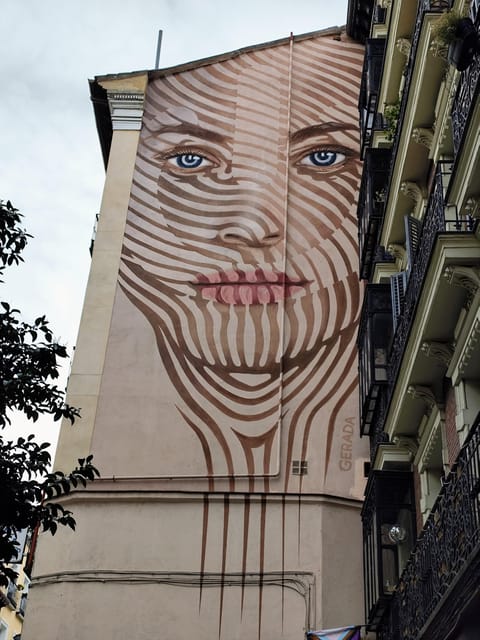
The route then spends about 20 minutes visiting and walking along Calle de Embajadores. This is where you can expect some of the larger and more photograph-friendly work on the route.
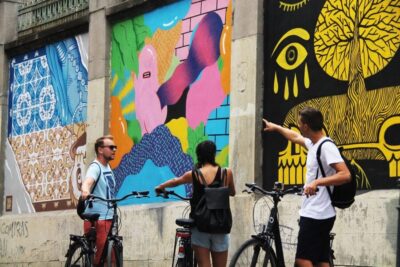
The tour includes major murals by internationally known artists, along with smaller pieces that are not always found in guidebooks. The mix is important. Large murals give you the visual impact people often want from a street art tour, while the less obvious pieces show how much of the neighborhood’s character is built from small interventions.
You will have chances to take photographs, but the guide’s explanation is the real reason to stop. You learn how to look for repeated styles, signatures, paste-up methods, and visual references. With practice, you can begin to tell one kind of street art from another without relying on a plaque.
Calle de Embajadores also reinforces the neighborhood focus. You are not being shown a single famous wall and then sent back to the center. The route keeps you on foot, moving through streets where public art shares space with ordinary city routines.
Meeting artists at the local gallery
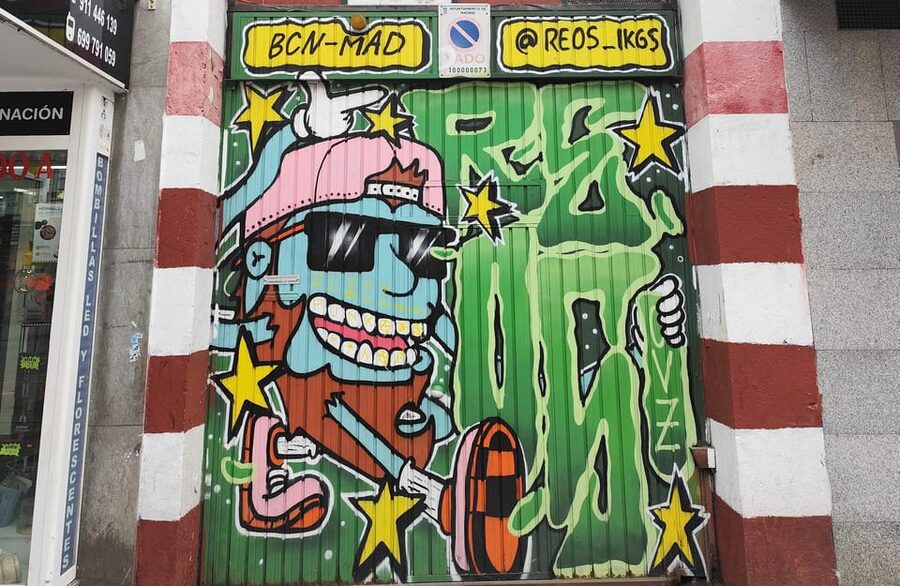
The gallery visit is the tour’s closing feature. It gives you a shift from art made for public streets to art presented in a more traditional gallery setting.
You may have the chance to meet local artists there, which adds a personal link to the work you have been discussing. The gallery also gives you a chance to look at pieces more closely and think about how an artist’s work changes when it moves from a wall into an indoor space.
The gallery is not simply a shop added at the end. It helps complete the story of Madrid’s art scene. You have seen work that anyone can encounter while walking through Lavapiés, then you see how local artists may present and sell their work in a dedicated space.
One practical point is clear: if you fall in love with a piece, buying it costs extra. The tour price includes the route and the guide’s expertise, not gallery purchases. You should feel free to look without pressure, but budget separately if collecting art is part of your plan.
What the guide adds to the experience
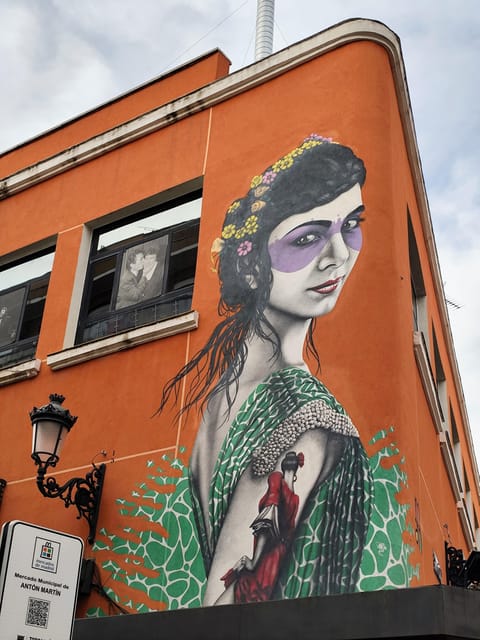
The guide is the main difference between this tour and walking around Lavapiés with a street art map. Art historians or working artists lead the experience, so the explanations focus on the work itself as well as the local setting.
Roberto is one guide named for this experience. He has been especially good at linking the artwork with the neighborhood’s history and making the walk feel informal. Other guides have kept the pace easy and explained both the art and the wider culture around it.
You should expect an English-language tour. The guide explains what individual works symbolize, identifies important artists, and introduces styles such as tags and paste-ups. You also get context about an annual festival that helps keep the local street art scene active and adds new work over time.
That festival detail is useful because it shows that the art is not random decoration. Some pieces are part of an ongoing local effort to support public art and refresh the area. The guide can help you understand which work is intended as a major statement and which piece is a quick, personal mark.
Is $33 a fair price?
At $33 per person, this is reasonably priced for a two-hour guided walk capped at 10 people. You are paying for local interpretation, not transportation, food, museum admission, or an art purchase.
The value is strongest if you want context. You could walk through Lavapiés for free and see some of the same walls, but you would miss the connections between artists, techniques, symbols, festivals, and neighborhood life. You would also be less likely to spot the tiny pieces.
The price is less compelling if you only want photographs of large murals. In that case, a self-guided walk may cover your basic needs. The gallery finish and the guide’s art background are what make the paid experience worthwhile.
The free cancellation window of up to 24 hours and the option to reserve now and pay later also make it easier to fit into a changing Madrid schedule. The tour is offered at set starting times, so check availability before building the rest of your day around it.
Who should book this Lavapiés walk?
I would recommend it to first-time visitors who want to see a side of Madrid beyond the major monuments. It is also a good match for people who enjoy photography, illustration, design, public art, and neighborhood walks.
Families with older children and teenagers may find the format more engaging than a formal art lecture, especially because the work appears in the streets and the route keeps moving. Anyone who already enjoys graffiti will appreciate the chance to learn more about artists and styles in a local setting.
The tour is also suitable for solo visitors. A group of no more than 10 makes it easier to listen, ask questions, and meet other people without the feel of a large excursion.
It may not suit you if you dislike walking, want a private tour, or need guaranteed access to every major mural. Street art changes, and the route is built around what is present in the neighborhood at the time. The tour is wheelchair accessible, but the information provided does not describe specific surfaces or street conditions, so you may want to confirm route details when booking.
Should you book it?
Book this tour if you want Madrid’s street art explained in place, by someone who understands the artists and the neighborhood. The strongest parts are the small group, the mix of large murals and easy-to-miss details, and the local gallery visit at the end.
Skip it if your priority is a museum collection, a private guide, or a short photo stop with no interpretation. For $33, the tour earns its price by teaching you how to look, not just by taking you to a few colorful walls. Afterward, Lavapiés and the rest of Madrid should make more visual sense.
FAQ
Where does the Madrid Hidden Street Art Tour meet?
The meeting point is in front of the Portomarín restaurant. If you arrive early, you can go inside for a coffee or refreshment.
How long does the tour last?
The tour lasts two hours.
What language is the tour offered in?
The live guided tour is offered in English.
How many people are in the group?
The group is limited to 10 participants.
Is the tour wheelchair accessible?
Yes, the activity is listed as wheelchair accessible.
Does the tour include entry to the Reina Sofía Museum?
No. The route passes by the Museo Nacional Centro de Arte Reina Sofía for about five minutes, but museum admission is not included.
Does the tour include a gallery visit?
Yes. The tour ends at a local gallery in Lavapiés, where you may have the chance to meet local artists.
Are gallery purchases included in the tour price?
No. The $33 price does not include artwork you may choose to buy at the gallery.
Can I cancel for a full refund?
Yes. You can cancel up to 24 hours in advance for a full refund.
Do I have to pay when I reserve?
No. The reserve-now, pay-later option lets you book without paying at the time of reservation.
Just added around Madrid
- Visit the National Archaeological Museum in Madrid★ 4.4 · 6 reviews
- From Madrid: Parque Warner Beach Water Park & Transport★ 3.9 · 14 reviews
- Madrid Wine Tasting, Flamenco Class and Pub Crawl★ 4.5 · 6 reviews
- Virtual Reality Experience Fun And Tickets & Imageen★ 5.0 · 12 reviews
- Visit to the Prado Museum★ 4.9 · 6 reviews
- Tuktuk historical tour of Madrid 1 Hr in a fun and original way★ 3.7 · 3 reviews
- Prado Museum VIP tour with an art Expert, tickets included★ 5.0 · 11 reviews
- Tuk Tuk Tour with Wine Test in Madrid★ 3.8 · 6 reviews