
Reviewed · MADRID COOKING CLASSES
Madrid: Half-Day Spanish Cooking Class
Madrid’s best food lessons often begin with a knife, a market basket, and a chef who knows when to let you take over. This four-hour class gives you a real job at the stove, not just a seat in a demonstration. Pick morning paella and market shopping or an evening tapas dinner, then cook and eat the whole menu.
I like the market visit because it connects the meal to daily life in Madrid. I also like the clear, relaxed teaching style reported from chefs such as Ángel, Teresa, Eduardo, Elisa, and Maria. The main consideration is time: four hours is a sizeable block, and the cooking is done in pairs, so solo participants are assigned a partner.
Key things to know
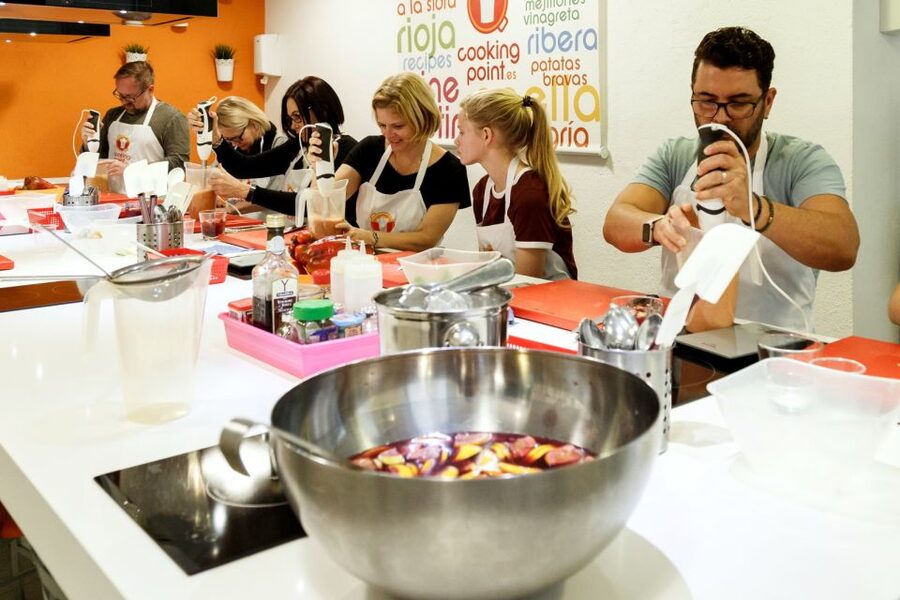
- Two very different class choices: Morning paella includes a food market visit, while evening tapas offers a casual dinner of five tapas, dessert, and sangria.
- You do the cooking: The chef demonstrates, then you chop, stir, season, and assemble the dishes yourself.
- A full meal is included: You eat the paella or tapas you prepare, along with drinks and the sangria made during class.
- Useful for beginners: Instructions are given step by step, while experienced home cooks still have plenty to learn.
- Good for families: Children, teenagers, parents, and older adults can all take part.
- Dietary needs can be discussed: Allergies, intolerances, and other food requirements can be accommodated.
Choosing between paella in the morning and tapas at night
The first decision is simple: do you want a market-based lesson in Spanish staples, or a sociable evening built around small plates?
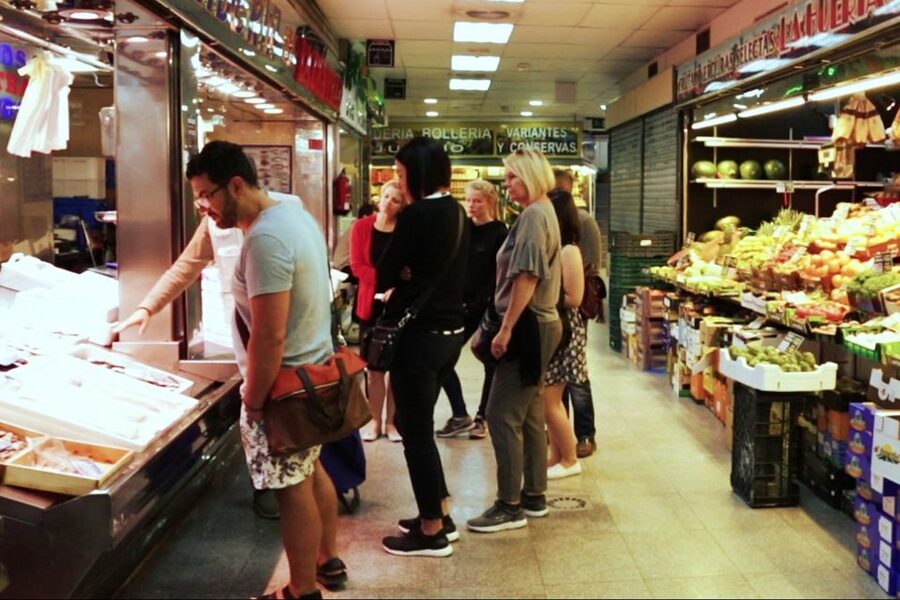
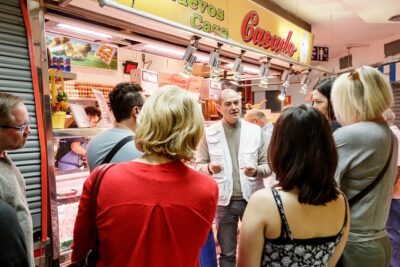
The morning paella class starts with a visit to a local market. You shop for many of the ingredients used later in the kitchen, with the chef explaining what you are buying and how people in Madrid choose food. One guide, Eduardo, is especially praised for explaining the fish counter, ham, ingredients, and everyday market habits. That part gives the class a useful local setting before you ever turn on the stove.
Back at the cooking school, the menu includes mixed chicken and seafood paella, gazpacho, and sangria. You prepare the cold tomato soup, work on the rice dish, and mix the drink before sitting down to eat. It is a broad introduction to Spanish cooking, with a market walk added to the four-hour session.
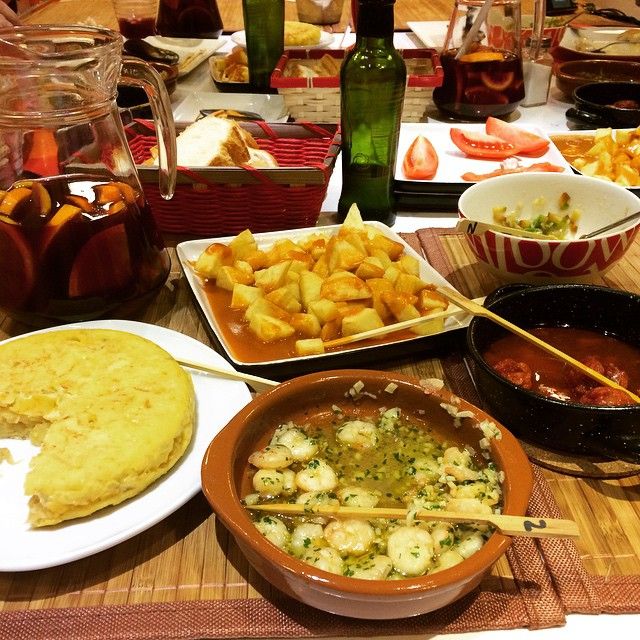
The evening tapas class skips the market and focuses on a generous dinner. You prepare five tapas, one dessert, and sangria:
- Spanish potato omelet
- Garlic shrimp
- Chorizo in apple cider
- Patatas bravas
- Tomato bread with ham
- Catalan crème
This is the better pick if you want to finish your sightseeing day with food, conversation, and a full meal. It also gives you more individual recipes to repeat at home. Paella is one major dish with two supporting items, while the tapas class gives you a collection of small plates for future gatherings.
More Madrid Cooking Classes:
- Spanish Cooking Class Paella Tapas and Sangria in Madrid
★ 5.0 · 1,340 reviews - Madrid: Paella and Sangria Workshop in the City Center
★ 4.9 · 1,264 reviews - Paella Cooking Class in Madrid with Bottomless Wine Pairing
★ 5.0 · 985 reviews
The market visit makes the paella class more useful
A market tour can be little more than a quick walk through stalls. Here, it is tied to the cooking, which makes the stop count. You help shop for ingredients and hear about the food you will soon prepare. The explanations can include where ingredients come from, how locals shop, and details such as ham and seafood.
I like this setup because it answers practical questions that recipes often skip. What should fresh seafood look like? How do you choose ingredients for a Spanish dish? Which foods are common in an everyday Madrid market? The chef can address those points while you are looking at the products.
The market also gives the paella class a stronger sense of place. You are not simply cooking a dish chosen for tourists in a kitchen classroom. You begin with the food culture of the city, then carry those ingredients back to the worktables.
There is one tradeoff. The market visit is available only with the morning paella option. If you choose tapas at night, you get more time working through a longer menu, but you miss the shopping and market context.
What actually happens at the cooking station
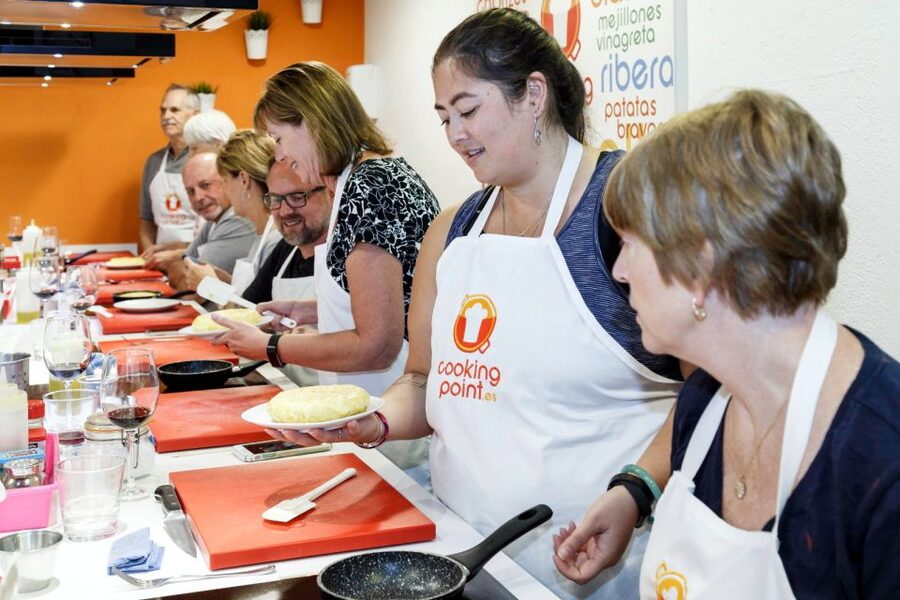
This is a hands-on class. The chef gives directions, demonstrates techniques, and then has you complete the work in pairs. That matters because you leave with more than a pleasant meal. You have practiced the basic steps and can use the recipe booklet when you return home.
The instruction is designed for people with different levels of kitchen experience. A novice can follow the class because the tasks are broken into manageable steps. An experienced cook can pay attention to technique, timing, seasoning, and the small tips that make familiar dishes taste more like the Spanish versions.
Past classes have included clear guidance on practical jobs such as preparing shrimp, making the potato omelet, assembling tomato bread, and building the layers of paella. One useful tip shared during the paella lesson concerned deveining prawns. These are the kind of small details that are easy to miss when you only watch a chef cook.
The kitchen is described as clean and well appointed, with equipment for participants to use. The class is organized, but it is not meant to feel stiff. Several instructors are praised for keeping the pace relaxed while still getting a large amount of food prepared in four hours.
Cooking in pairs keeps the work social and practical. If you book alone, the provider assigns you a cooking partner. That could be a drawback if you prefer to work independently, but it also makes the class easier for solo visitors who want company during a meal-based activity.
Eating the meal you prepared
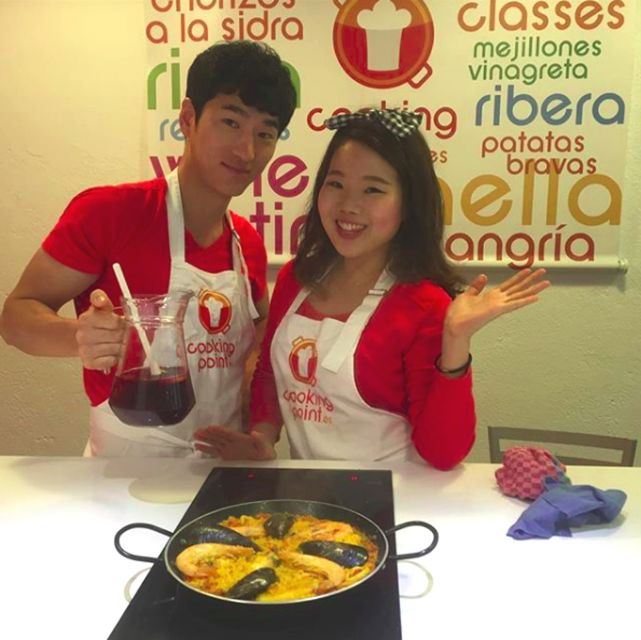
The best part of the schedule comes after the work is done. You sit around the table and eat the food prepared by the class. This turns the lesson into lunch or dinner, not just a cooking demonstration followed by a small taste.
The paella menu gives you a substantial shared meal with chicken and seafood rice, gazpacho, and sangria. The tapas menu offers more variety. You move from potato omelet and garlic shrimp to chorizo in apple cider, patatas bravas, tomato bread with ham, Catalan crème, and sangria.
Drinks and all ingredients are included. The supplied information notes that beer and alcoholic drinks may be available with the meal, and the sangria is made during the class. Reports from past sessions describe the sangria as plentiful, but you should still treat the class as a food experience first rather than a drinking event.
Sharing the meal with your cooking partner and the wider group is part of the design. Classes bring together people from different countries, and the common table gives you an easy way to talk without forcing a separate social activity. If you are visiting Madrid with family, this shared ending lets everyone compare what they helped prepare.
A different sort of day out around Madrid:
- Madrid: Tour Bernabéu Entry Ticket
★ 4.5 · 21,573 reviews - Madrid: Prado Museum Entry Ticket
★ 4.6 · 17,509 reviews - Madrid: “Emociones” Live Flamenco Performance
★ 4.8 · 12,866 reviews - Madrid: Panoramic Route City Tour
★ 4.1 · 12,259 reviews
The teaching style and the named chefs
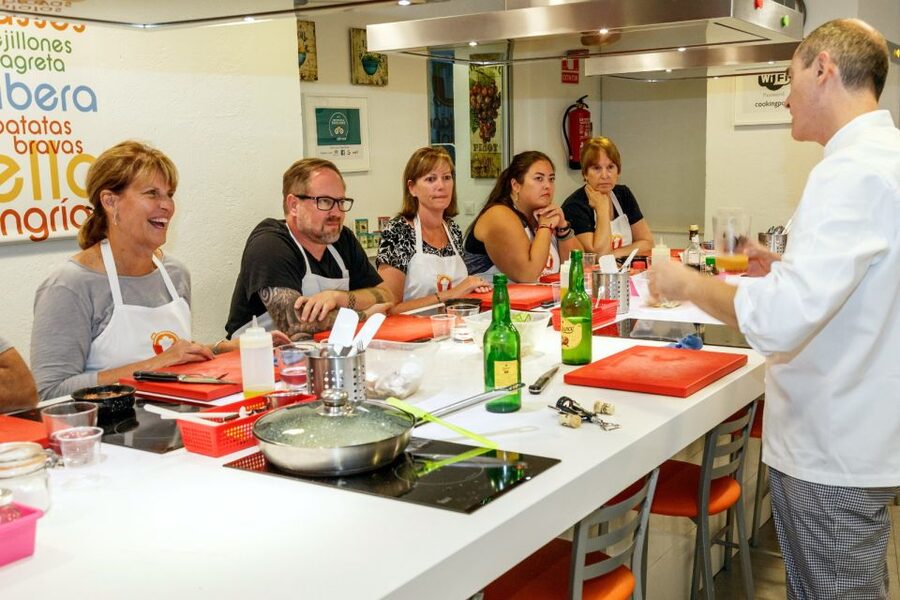
Several chefs lead these sessions, so the personality of your class can vary. Ángel is repeatedly described as funny, patient, and clear, with a strong ability to explain both cooking methods and food history. Teresa is noted for energy, humor, and careful help at the worktable. Eduardo is praised for his market explanations and organized teaching.
Elisa is associated with warm explanations about Spanish food, history, and culture, while Maria is described as patient, informative, and entertaining. The common thread is instruction in English and a willingness to guide people through the process rather than rush ahead.
I would not book this expecting a formal culinary-school lecture. The class is more relaxed and social. You learn through short explanations followed by action. That format works well for a holiday activity because you spend more time handling ingredients than watching someone else do all the work.
The range of teachers also means you should not assume one identical personality every day. The provider assigns the instructor. Still, the repeated praise for clarity, humor, patience, and organization suggests that the teaching approach is central to the experience.
Is four hours too long?
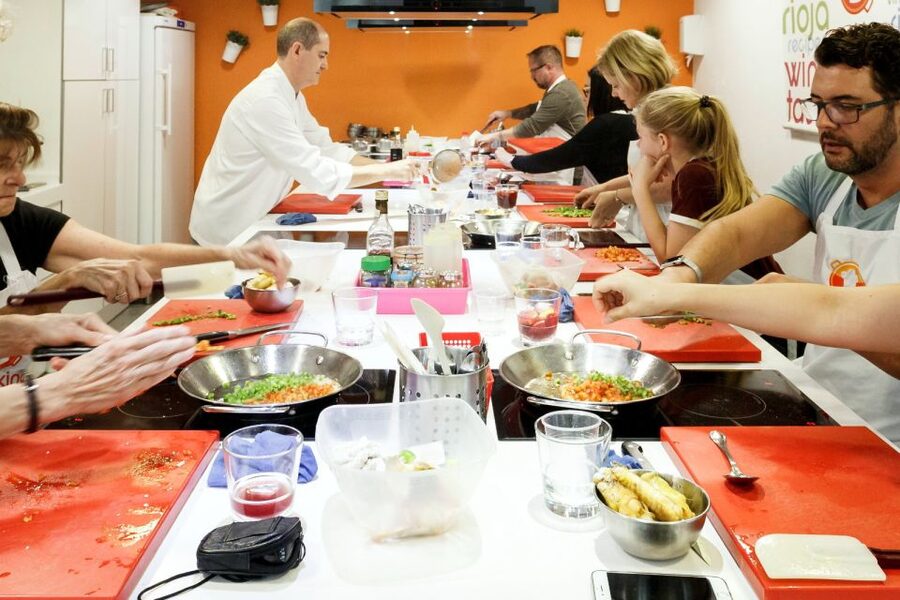
Four hours sounds long for a cooking lesson, especially if you have a packed Madrid sightseeing plan. In practice, the time is divided among market shopping, preparation, cooking, explanations, and eating, depending on the class you select.
The paella option takes in the market before the kitchen work. The tapas class has more dishes to prepare, so you stay active across several recipes. The final meal gives the session a natural finish rather than ending as soon as the last pan leaves the stove.
Still, plan carefully. You will not want to rush from the cooking school to a timed museum entry or a distant reservation. The meeting point can vary by option, and hotel pickup and drop-off are not included. Check the exact starting time and location before booking.
For families, the length can work well because the activity changes pace. Children can help with simple preparation and watch the dishes come together. One family with young children found the class easy to follow and enjoyable for everyone, but younger children may need an adult to help them stay involved for the full session.
Price and what the $100 buys you
At $100 per person, this is not the cheapest meal in Madrid. It is also more than a short demonstration or a market stroll. The price includes the ingredients, drinks, recipe booklet, cooking instruction, meal, and market tour if you choose paella.
The value is strongest if you want several things at once: a cultural activity, a guided meal, practical recipes, and a social setting. You are not paying only for the food on the plate. You are paying for the chef’s instruction, the organized kitchen, the ingredient shopping in the morning option, and the chance to prepare the dishes yourself.
The tapas class may offer especially good value for people who like variety. Five tapas and a dessert make a full spread, and you take home recipes that are simple enough to repeat. The paella class is a better value for someone who wants market context and a lesson focused on one famous Spanish dish.
I would choose another activity if your main goal is a quiet restaurant meal or a quick taste of Spanish food. This class asks you to participate, share a workspace, and spend half a day or evening on the experience. For people who enjoy cooking, that participation is exactly what makes the price reasonable.
Dietary needs, families, and solo bookings
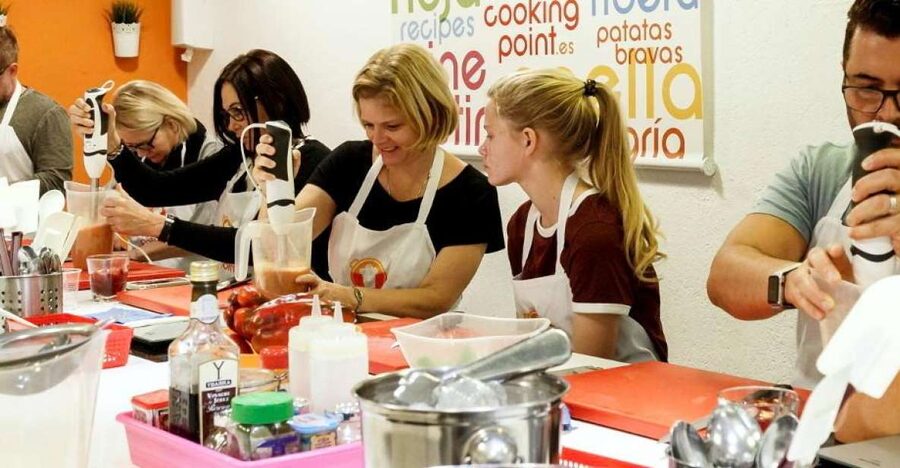
Food allergies, intolerances, and other dietary requirements can be accommodated. Tell the provider about your needs in advance so the kitchen can plan the ingredients. The specific replacement dishes are not listed, so do not assume every recipe will remain unchanged.
The class suits mixed-age groups. Children and teenagers can take part, and the cooking is accessible to beginners. Adults who already cook at home can still pick up useful Spanish methods and ingredient tips.
Solo participants are welcome. You will be assigned a partner for the cooking. That arrangement can feel awkward for the first few minutes, but the shared tasks and final meal give you a natural way to meet people. Couples, families, and friends can also book together if they want to work as a pair.
The class is taught in English. If you need another language, the supplied information does not confirm that one is available.
What to bring and how to plan your day
You do not need to bring ingredients or cooking equipment. The class supplies both, along with drinks and a recipe booklet. Wear something comfortable for several hours of standing and food preparation, though the supplied details do not specify a dress code.
Leave enough time to reach the correct meeting point. The location may vary depending on the option booked, and there is no hotel pickup or return service. For the morning class, allow extra attention to the meeting instructions because the group starts with the market visit.
I would book the class on a day when you can keep the rest of your schedule light. After a morning paella class, you will have lunch handled but may not want another major meal right away. After the evening tapas class, the cooking and dinner finish your day neatly.
Free cancellation is available up to 24 hours before the start time for a full refund, and you can reserve now and pay later. Those terms help if your Madrid plans are still moving around, but always check the exact booking conditions for your selected option.
Should you book this Madrid cooking class?
Book it if you want to make Spanish food rather than simply order it. The morning option is the stronger cultural choice because the market visit connects the ingredients to everyday life in Madrid. The evening option is better if you want a relaxed dinner, a wide range of recipes, and a fun activity after sightseeing.
I would especially recommend it to first-time visitors, families with food-loving children, couples, solo visitors who enjoy meeting people, and home cooks who want recipes they can repeat. The recipe booklet, simple methods, and hands-on format give the experience value after your trip ends.
Skip it if you dislike shared cooking, have very little time, or want a private lesson. For everyone else, the combination of clear English instruction, a full meal, drinks, and actual time at the stove makes this one of the more useful food activities in Madrid.
FAQ
How long does the Madrid Spanish cooking class last?
The class lasts four hours.
What cooking options are available?
You can choose a morning paella class with a local market visit, or an evening tapas class.
What is prepared in the morning paella class?
You prepare mixed chicken and seafood paella, gazpacho, and sangria.
What is prepared in the evening tapas class?
You prepare Spanish potato omelet, garlic shrimp, chorizo in apple cider, patatas bravas, tomato bread with ham, Catalan crème, and sangria.
Is the market visit included with both class options?
No. The market tour is included with the morning paella class only.
Is the class taught in English?
Yes. The listed instructor language is English.
Do I need to bring ingredients or drinks?
No. Ingredients and drinks are included, as well as the meal and a recipe booklet.
Can food allergies and dietary requirements be accommodated?
Yes. Food allergies, intolerances, and other dietary requirements can be accommodated.
What happens if I book alone?
Cooking is done in pairs. If you go alone, the activity provider assigns you a cooking partner.
More Half-Day Tours in Madrid
- Toledo Half-Day Tour with St Tome Church & Synagoge from Madrid
★ 4.5 · 314 reviews - From Madrid: Half-Day or Full-Day Trip to Segovia
★ 3.9 · 211 reviews - Escorial & Valley Half-Day Morning Tour from Madrid
★ 4.0 · 104 reviews - Panoramic Madrid Tour and Toledo Half-Day Trip from Madrid
★ 3.5 · 51 reviews
Just added around Madrid
- Visit the National Archaeological Museum in Madrid★ 4.4 · 6 reviews
- From Madrid: Parque Warner Beach Water Park & Transport★ 3.9 · 14 reviews
- Madrid Wine Tasting, Flamenco Class and Pub Crawl★ 4.5 · 6 reviews
- Virtual Reality Experience Fun And Tickets & Imageen★ 5.0 · 12 reviews
- Visit to the Prado Museum★ 4.9 · 6 reviews
- Tuk Tuk Tour with Wine Test in Madrid★ 3.8 · 6 reviews
- Tuktuk historical tour of Madrid 1 Hr in a fun and original way★ 3.7 · 3 reviews
- Prado Museum VIP tour with an art Expert, tickets included★ 5.0 · 11 reviews
Madrid Cooking Classes, compared.
Spanish Cooking Class Paella Tapas and Sangria in Madrid
Read our review →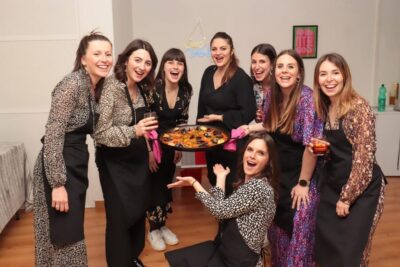
Paella and Sangria Workshop in the City Center
Read our review →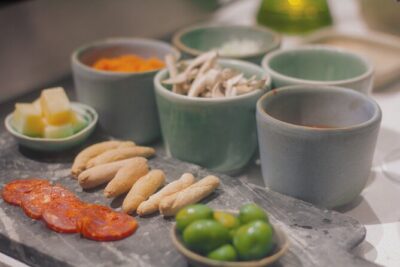
Paella Cooking Class in Madrid with Bottomless Wine Pairing
Read our review →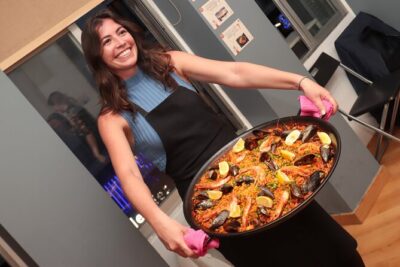
Paella Workshop with Bottomless Sangria in Central Madrid
Read our review →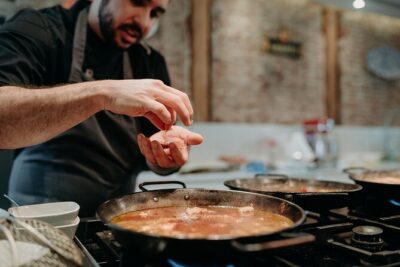
Madrid Tapas & Paella Cooking Experience with Local Market Visit
Read our review →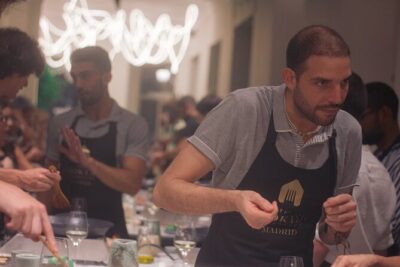
Taste of Spain: Tapas Cooking Class with Bottomless Wine Pairing
Read our review →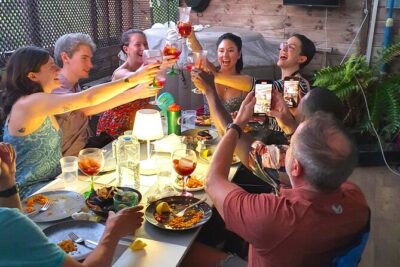
Paella & Sangria Classes- Seafood, Chicken & Vegan option
Read our review →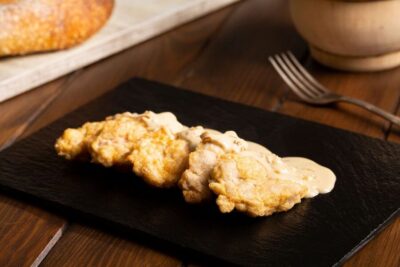
Browse the lists this tour appears in