
Reviewed · MADRID COOKING CLASSES
Paella Workshop with Bottomless Sangria in Central Madrid
Madrid’s paella workshop turns dinner into a social cooking lesson. You mix the sangria, help prepare a traditional paella in a large pan, hear how the dish developed, and then sit down to eat what the group made. It is less like renting your own kitchen station and more like joining a lively, shared demonstration.
I like the central location and the easy social setup. I also like that the hosts explain what each ingredient does instead of treating paella as a mystery. Ivan, Dani, Cristal, Javier, and other members of the host team have been praised for keeping the group involved, including solo visitors and families.
The main caution is that this is not a private cooking class where each person makes an individual paella. The room can also become smoky and oily during cooking, so wear clothes that can handle a dinner with a little kitchen perfume.
Key points to know before booking
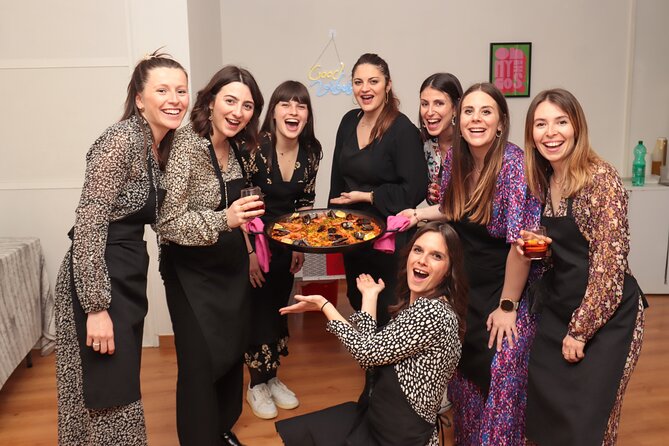
- You make one communal paella: Everyone takes part, but the class centers on a shared pan rather than separate workstations.
- Sangria comes first: You prepare a balanced, refreshing drink before moving on to the food.
- The meal includes chicken and seafood: Vegetarian and allergy-only alternatives are available when requested ahead of time.
- The group can include up to 16 people: That is small enough for participation, yet large enough for a sociable evening.
- Recipes are provided afterward: You leave with instructions and ingredient lists for making the dishes at home.
- The location is in central Madrid: Meet at C. de la Montera, 24, close to public transportation and the city center.
Starting on Calle de la Montera
The workshop begins at C. de la Montera, 24, in central Madrid, and finishes at the same place. This is useful if you want to pair the class with a walk around the central districts, though you should allow time to find the exact street-level meeting point.
The location is near public transportation, and the central setting makes the activity easy to fit into a Madrid visit. You do not need to carry cooking equipment or ingredients. The organizers supply the materials, so your only real preparation is arriving ready to chop, stir, taste, and eat.
The advertised session lasts about three hours. That gives the class enough time to prepare both drinks and food without rushing the final meal. It also means you should not schedule another fixed activity immediately afterward.
More Madrid Cooking Classes:
- Spanish Cooking Class Paella Tapas and Sangria in Madrid
★ 5.0 · 1,340 reviews - Madrid: Paella and Sangria Workshop in the City Center
★ 4.9 · 1,264 reviews - Paella Cooking Class in Madrid with Bottomless Wine Pairing
★ 5.0 · 985 reviews
Making sangria before the paella
The first practical lesson is sangria. Rather than simply handing you a glass, the hosts explain how to balance the drink so it stays refreshing instead of becoming too sweet or too strong.
That small lesson matters because sangria is easy to make badly. The workshop gives you a basic method you can repeat at home, and the bottomless serving keeps the social side going while the paella comes together.
The unlimited sangria is part of the price, but use ordinary good sense. You are drinking throughout a cooking class, and the activity lasts several hours. Pace yourself, especially if you have plans afterward or are not used to drinking in the afternoon.
The drink also helps break the ice. Solo visitors can chat with the people around them, while families and groups have an easy shared task before dinner begins. Several sessions have been praised for bringing strangers together without making the interaction feel forced.
Learning what belongs in traditional paella
Once the sangria is underway, the chef introduces the basic paella ingredients and explains how each one affects taste and texture. You hear about the dish’s origins, regional food traditions, and the ingredients that should not be included in a traditional preparation.
This is one of the better reasons to choose a workshop instead of only ordering paella in a restaurant. You learn why timing matters, how ingredients contribute to the final dish, and how a traditional paella pan is used. Even if you already cook, the session can offer useful tips.
The class does not appear designed for advanced cooks who want a technical master class. It is aimed at people who want a friendly introduction, a good meal, and enough instruction to try the recipe at home. One participant with previous paella experience still found useful tips, but another felt that a cooking video would offer more instruction.
That difference comes down to expectations. If you want a private test kitchen, this is the wrong format. If you want to participate in a guided group preparation, learn the basics, and eat afterward, it fits much better.
Sharing the work around one traditional pan
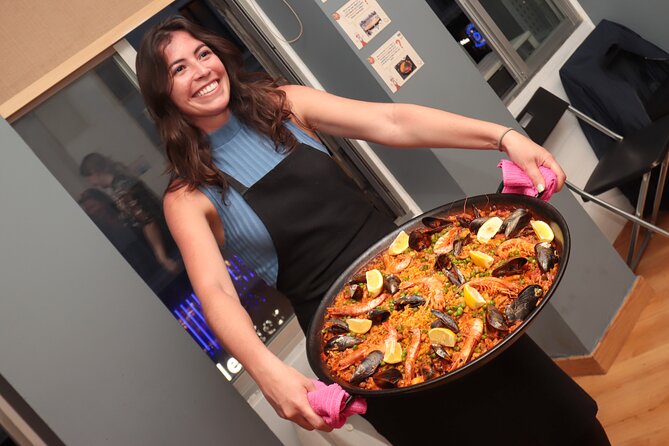
The central activity is the paella itself. The group prepares a chicken and seafood version in a traditional paella pan, with vegetarian and allergy-related alternatives available if you contact the organizer ahead of time.
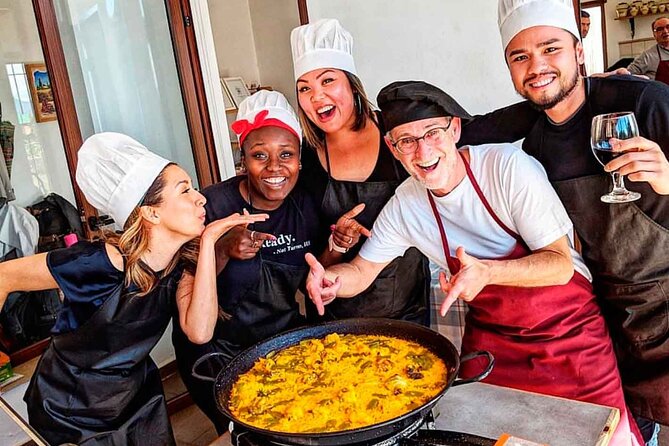
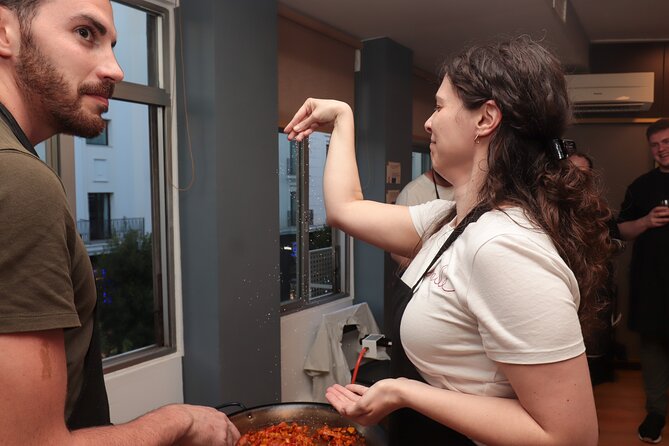
You will not be left to watch from the edge. The hosts bring different people into the process, divide up tasks, and explain what is happening as the dish develops. The cooking responsibilities are shared, so you do not need advanced kitchen skills.
This format works well for first-time cooks. You can take part without carrying the full responsibility for the meal, and the chef remains on hand to guide the process. It also works for families, although the main audience is adults. Children aged nine and five have been accommodated in previous sessions, so families can ask in advance rather than assume.
The group size is capped at 16 people. That is a useful limit for this type of class. A group of that size can feel lively, but the hosts can still involve people directly. For a birthday, family outing, or solo evening, the shared pan creates a natural focus.
There is one practical drawback. Cooking in the room can create smoke and oily air for about 30 minutes, and you may leave smelling of the kitchen. Better ventilation would improve the setting, so avoid wearing your finest dinner clothes.
A different sort of day out around Madrid:
- Madrid: Tour Bernabéu Entry Ticket
★ 4.5 · 21,573 reviews - Madrid: Prado Museum Entry Ticket
★ 4.6 · 17,509 reviews - Madrid: “Emociones” Live Flamenco Performance
★ 4.8 · 12,866 reviews - Madrid: Panoramic Route City Tour
★ 4.1 · 12,259 reviews
Eating the paella you helped prepare
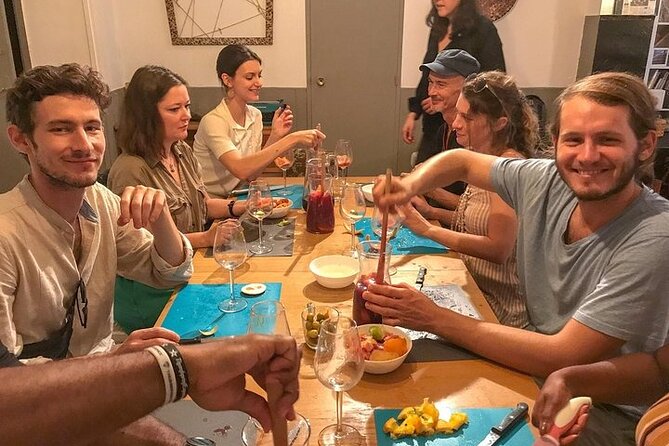
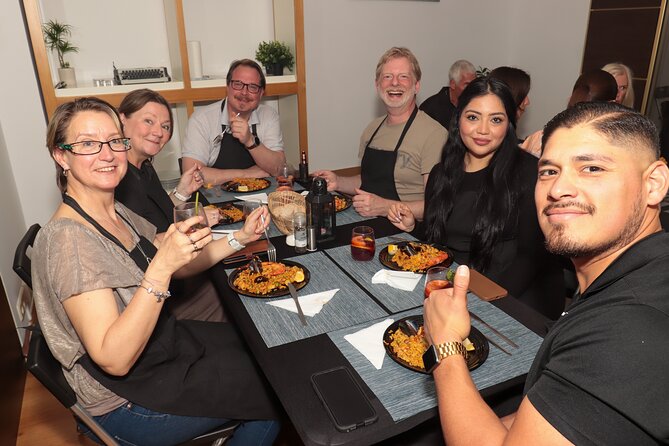
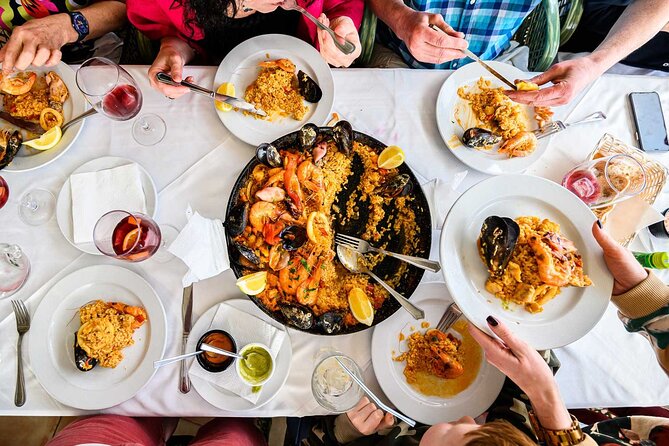
The final reward is the meal. The group sits down to eat the chicken and seafood paella made during the workshop, with sangria continuing as part of the experience.
The meal is not just a tasting portion. Several participants have described the food and drink as plentiful, and some felt the paella compared favorably with restaurant versions. Still, cooking quality can vary. One meal was judged too salty, with shrimp that was not properly cooked.
That criticism is worth taking seriously. A shared class is not the same as ordering a carefully finished dish from a specialist restaurant. The cooking depends on the host, the group, and the timing of the ingredients. Most of the feedback is highly positive, but you should book this for participation and atmosphere first, not as a guarantee of the finest paella in Madrid.
The meal also gives the workshop a clear finish. You do not simply leave with a recipe and a short demonstration. You sit down with the group, enjoy the result, and have time to talk with the people you met.
The hosts shape the whole evening
The cooking itself is only part of the experience. The host team sets the pace, explains the food, handles questions, and makes sure nobody is forgotten.
Different sessions have featured hosts and chefs including Ivan, Dani, Cristal, Javier, Anabel, Miguel, Lila, Jonathan, and Guillermo. Their styles may differ, but the strongest pattern is an interactive approach. Ivan and Dani, for example, have been praised for including the whole group and offering practical suggestions about places to eat and visit in Madrid.
That local advice is especially useful if you schedule the workshop near the beginning of your stay. You can ask about other foods to try, neighborhoods to explore, and restaurants worth considering. It turns the class into more than a meal, though you should remember that recommendations can vary by host and session.
The hosts also take photographs during some workshops and share them in a group chat afterward. That is a nice extra for a birthday, family gathering, or solo visitor who wants a record of the evening without constantly taking out a phone.
What the $78.60 price includes
At $78.60 per person, this is not the cheapest dinner in Madrid. You can eat a plate of paella for less, and a standard restaurant meal will not require three hours of your time.
The price makes more sense when you count what is included:
- A cooking class with a chef and support host
- Sangria during the activity
- A shared chicken and seafood paella
- Vegetarian or allergy-related alternatives when arranged ahead
- Cooking materials and ingredients
- Recipes and ingredient lists for home use
- A social evening in a central location
I see the value mainly in the combination of food, instruction, and company. You are paying for an activity as well as dinner. It is a good choice if you want an evening that gives you something to do, rather than another meal at a table.
It is weaker value for an experienced cook who wants detailed individual instruction. Since everyone contributes to one paella, you may not practice every step yourself. The recipes help, but the workshop is still a group demonstration with hands-on moments, not a professional culinary course.
Who will enjoy this Madrid activity most
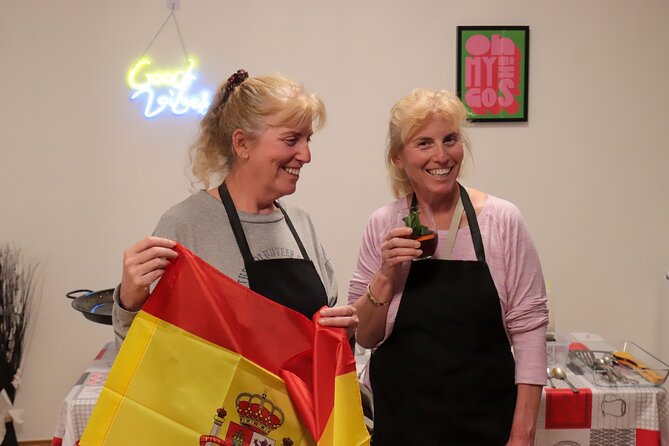
I would recommend it to solo visitors who want an easy way to meet people. The communal work and shared meal make conversation natural, and you do not need to arrive with a companion.
It also suits couples, adult families, and groups of friends. Families with children can ask ahead about participation, while birthday groups can expect the hosts to help make the occasion feel personal.
Food lovers who want cultural context should enjoy the talk about paella’s ingredients, regions, and traditions. You will get more from the class if you pay attention to the reasons behind the method, not just the final recipe.
I would be less enthusiastic for anyone seeking quiet, individual instruction or a polished restaurant-style setting. The atmosphere is social and hands-on, the kitchen may become smoky, and the final paella may not be perfect every time.
Timing, location, and cancellation details
The activity is offered in English and uses a mobile ticket. Confirmation is provided when you book, and the meeting point is close to public transportation in central Madrid.
The experience is commonly booked well ahead, with an average lead time of about 27 days. That suggests you should reserve early if your Madrid dates are fixed, particularly if you want a certain day or are arranging a group.
Free cancellation is available up to 24 hours before the start time. Changes or cancellations inside that window are not accepted for a refund. The experience may also be canceled if the minimum number of participants is not reached or if weather affects the activity. In either case, you are offered another date or activity, or a full refund.
Should you book the paella workshop?
Book it if you want a social Madrid evening built around food, drink, and simple instruction. The central location, small maximum group, bottomless sangria, shared meal, and recipe handout make it a strong choice for solo visitors, couples, families, and first-time cooks.
Set your expectations correctly. You will help prepare one communal paella, not make your own dish from start to finish. If you accept that format, this can be a warm and memorable way to learn a Spanish staple and meet people. If your priority is quiet dining, advanced technique, or guaranteed restaurant-level precision, spend the money on a specialist meal instead.
FAQ
Where does the paella workshop begin and end?
It begins and ends at C. de la Montera, 24, tienda calle, Centro, 28013 Madrid, Spain.
How long does the experience last?
The workshop lasts approximately three hours.
What food is included?
The main dish is chicken and seafood paella. A vegetarian option is available, and allergy-related alternatives can be arranged if you notify the organizer in advance.
Is sangria included?
Yes. Sangria is included throughout the workshop, and the experience is described as offering bottomless sangria.
How many people can join?
The activity has a maximum of 16 participants.
Can I cancel for a full refund?
Yes, if you cancel at least 24 hours before the scheduled start time. Cancellations or changes made less than 24 hours in advance are not eligible for a refund.
Just added around Madrid
- Visit the National Archaeological Museum in Madrid★ 4.4 · 6 reviews
- From Madrid: Parque Warner Beach Water Park & Transport★ 3.9 · 14 reviews
- Madrid Wine Tasting, Flamenco Class and Pub Crawl★ 4.5 · 6 reviews
- Virtual Reality Experience Fun And Tickets & Imageen★ 5.0 · 12 reviews
- Visit to the Prado Museum★ 4.9 · 6 reviews
- Tuk Tuk Tour with Wine Test in Madrid★ 3.8 · 6 reviews
- Tuktuk historical tour of Madrid 1 Hr in a fun and original way★ 3.7 · 3 reviews
- Prado Museum VIP tour with an art Expert, tickets included★ 5.0 · 11 reviews
Madrid Cooking Classes, compared.
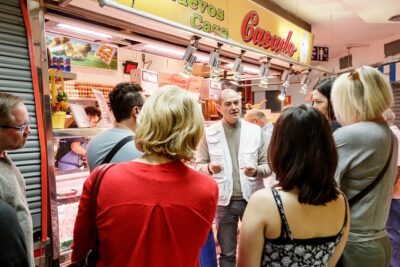
Spanish Cooking Class Paella Tapas and Sangria in Madrid
Read our review →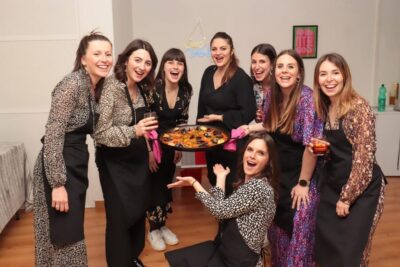
Paella and Sangria Workshop in the City Center
Read our review →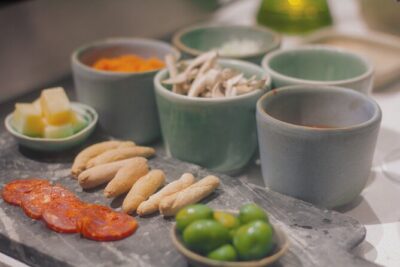
Paella Cooking Class in Madrid with Bottomless Wine Pairing
Read our review →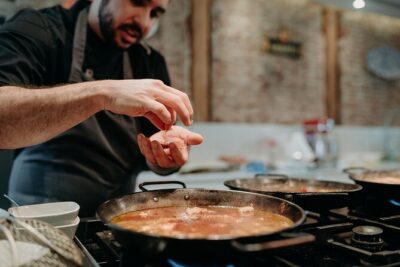
Madrid Tapas & Paella Cooking Experience with Local Market Visit
Read our review →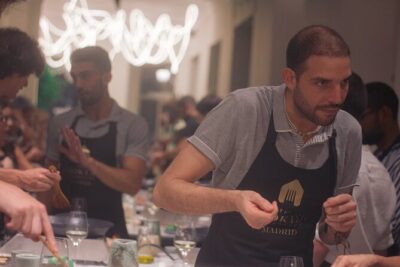
Taste of Spain: Tapas Cooking Class with Bottomless Wine Pairing
Read our review →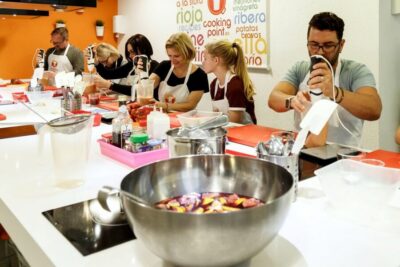
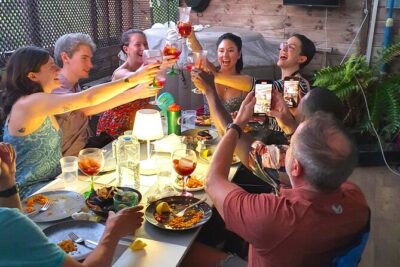
Paella & Sangria Classes- Seafood, Chicken & Vegan option
Read our review →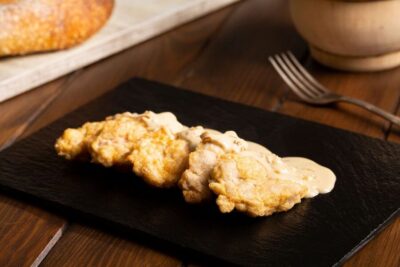
Browse the lists this tour appears in