
Reviewed · MADRID NEIGHBOURHOOD TOURS
Leathercraft Workshop in the Rastro of Madrid
Making a leather item by hand is a fine break from Madrid’s museums and grand plazas. In this three-hour workshop near El Rastro, you choose a project, work with real Spanish cowhide, and learn tools and methods that have changed little since medieval times.
I like the personal choice built into the class, from a wallet or passport cover to a bag, glasses case, or custom design. I also like the relaxed teaching style, with time for conversation, Spanish history, music, and a drink. The main drawback is practical: the workshop is on the fifth floor, and the building can be hard to spot from the street.
Key points to know before booking
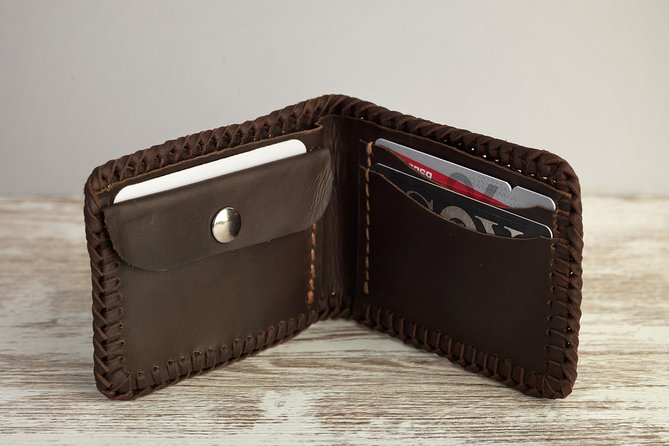
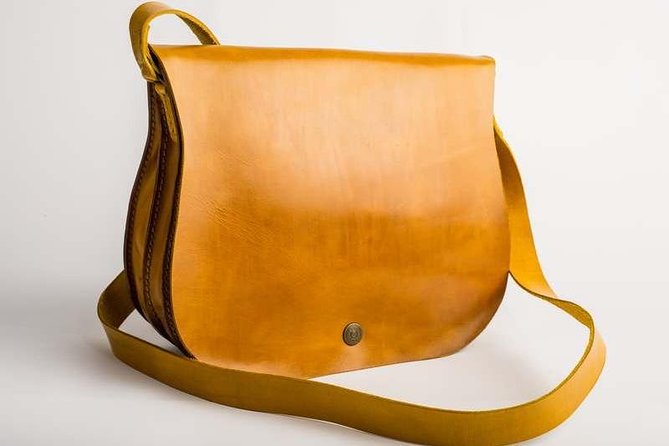
- Make something useful: Choose from wallets, bags, purses, passport covers, and other small leather goods.
- Work with Spanish cowhide: You select leather and learn cutting, punching, sewing, finishing, stamping, or embossing.
- Small-group setting: Your booking is private, and the compact studio allows for personal help.
- English instruction: Michael, an Irish instructor who speaks fluent English, leads the class.
- Good Rastro pairing: The workshop sits near La Latina’s vintage and handicraft shops, making it easy to add browsing before or after class.
- Allow extra arrival time: The address is on C. de Carlos Arniches, but the entrance and elevator can be confusing to find.
A hands-on morning in Madrid’s Rastro quarter
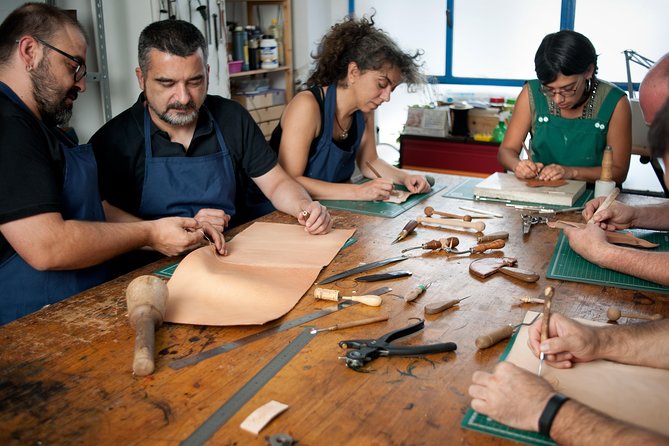
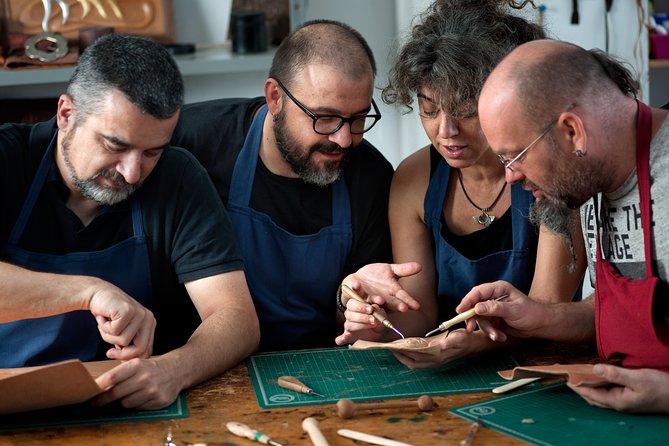
This is not a quick demonstration where you watch an artisan work and take home a small token. You sit down, choose a piece, handle the tools, and build something with your own hands.
The workshop begins with an introduction to leather and the equipment used to shape it. You learn about different types of leather and how their qualities affect the finished item. The tools have a solid, old-fashioned feel, and several methods come from a long craft tradition rather than a modern factory process.
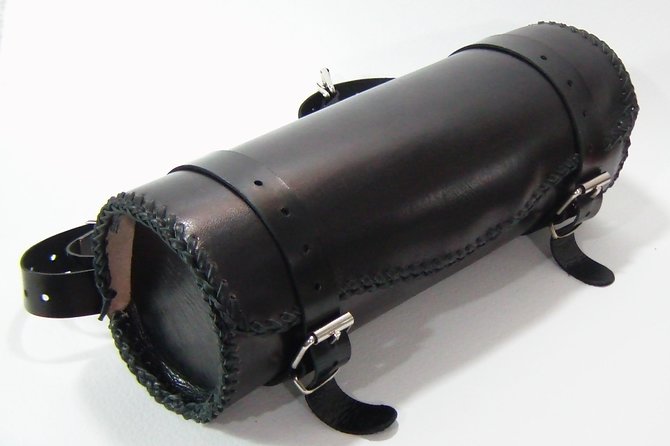
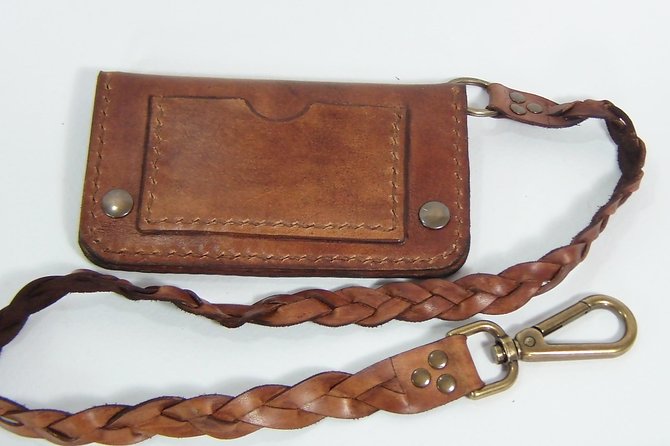
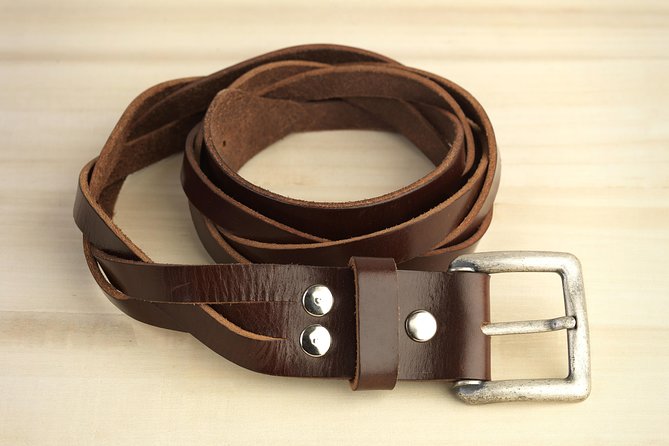
The lesson then becomes practical. You decide what to make and select from the available leather. The main options include a bag with or without a strap, an original glasses case, a wallet, a passport booklet, or a purse. If you have another idea, such as a belt pouch, mobile phone case, handbag, or similar project, you need to tell the instructor before the session so he can prepare for it.
That advance planning matters. A custom idea can be more satisfying than choosing from a standard menu, but three hours is still a limited working period. The instructor can help shape an ambitious idea into a project you can finish during the class.
More Madrid Neighbourhood Tours:
- Tour “Barrio de las Letras” Spanish Golden Age
★ 5.0 · 72 reviews - De Tapas in Malasaña: Evening Wine and Tapas Tour
★ 5.0 · 36 reviews - Private Segway Tour Madrid: Lavapiés & Historical Center
★ 4.5 · 15 reviews
Choosing leather, color, and a project
One of the best parts of the workshop comes before the first cut. You get to consider the type, color, and character of your leather rather than receiving an identical kit.
The supplied experiences describe the material as real Spanish cowhide. You also learn that leather comes in many forms, each suited to different uses. This gives the class more purpose than simply following instructions. A wallet needs different choices from a soft purse, and a passport cover calls for a different shape from a glasses case.
The process includes cutting, making holes, and sewing. Depending on your project, you may also finish the surface with varnish or wax. One particularly useful lesson covers how to protect vegetable-tanned leather, a detail that can help you understand why handmade leather changes with use.
You can decorate your item with stamping or embossing, so the final piece is not just a plain object from a template. The result may have small irregularities, but that is part of the point. You are making a personal souvenir, not buying a mass-produced accessory in a shop.
Michael’s teaching style and the pace of the class
Michael is generally identified as the instructor, and he is described as Irish with fluent English. His teaching style is patient and informal. You receive guidance at each stage, but you are expected to do the work yourself.
That balance suits beginners. You do not need previous leatherworking experience, and the class is designed to adapt to different abilities. Families have used the workshop with children and adults together, with projects adjusted to suit each person. Experienced leather workers can also use the session to try Spanish materials and traditional techniques.
The small setting is a real advantage. You have room to ask questions without feeling rushed, and the instructor can give individual help with cutting, hole punching, sewing, or finishing. A solo booking may feel almost like a private lesson, while a family or group can work on different projects side by side.
There is one point to keep in mind. One account describes the instructor as distracted because advanced regular students were working in the same space at the time. That does not appear to be the usual experience, but the studio is a working craft space, not a polished classroom. If you need a quiet, highly structured lesson, this may feel a little raw.
The finished souvenir means more than a shop purchase
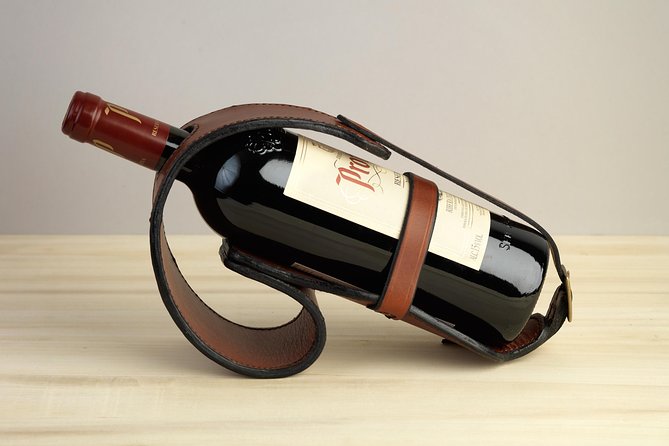
A handmade wallet or passport cover has practical value, but its best quality is the memory attached to it. You remember the choices you made, the mistakes you corrected, and the technique that finally worked.
The project also gives you a way to take home something tied to Madrid without buying the usual magnet or printed souvenir. A small leather item fits easily into your luggage and can be used long after the trip.
The class is especially good for people who like useful crafts. You may leave with a bag, wallet, or case that you actually use. Some projects may look more polished than others, depending on your patience and experience, but the instructor guides you through the process and helps you reach a finished result.
Do not expect a factory-perfect product. Handmade work has uneven edges and personal marks. If you enjoy the act of making, those details add character. If you mainly want a flawless leather purchase, a shop in Madrid may serve you better.
More Madrid Cooking Classes:
- Spanish Cooking Class Paella Tapas and Sangria in Madrid
★ 5.0 · 1,340 reviews - Madrid: Paella and Sangria Workshop in the City Center
★ 4.9 · 1,264 reviews - Paella Cooking Class in Madrid with Bottomless Wine Pairing
★ 5.0 · 985 reviews - Paella Workshop with Bottomless Sangria in Central Madrid
★ 5.0 · 763 reviews
Conversation, history, and a welcome drink
The workshop includes a glass of wine, beer, or a soft drink, along with an appetizer. It is a small touch, but it helps set the tone. You can pause between steps, chat with the instructor, and meet the other people in the room.
The conversation often reaches beyond leather. Michael also shares stories about Madrid and Spain, including historical details that make the neighborhood and craft tradition easier to understand. Several accounts describe the session as a pleasant way to combine a practical activity with talk about Spanish culture.
Music is also part of the atmosphere. The setting is casual, with cool music playing while you work. That will appeal to people who prefer a friendly studio to a formal classroom. It may be less appealing if you want a silent, concentrated workshop.
The food and drink should be viewed as a welcome extra, not a meal. If you book the class around lunchtime, plan to eat separately.
Finding the studio on C. de Carlos Arniches
The meeting point is C. de Carlos Arniches, 9, 5 4, in Madrid’s Centro district. The activity ends at the same place.
The location is near public transportation and close to the Rastro and La Latina area. This makes it easy to combine the class with vintage shops, handicraft stores, and a walk through one of Madrid’s most characterful central districts.
Give yourself extra time to arrive. The building is not always clearly marked, and the entrance can be confusing. The studio is on the fifth floor, and the elevator may not be immediately obvious. This is the one practical issue that comes up more than once, so do not cut it close.
A mobile ticket is provided, and confirmation arrives at booking. Service animals are allowed, and most people can take part. The activity is private, meaning only your own group participates, although the working studio may have other craft activity at times.
How long the three hours feel
Three hours is a sensible length for this type of project. You have time to hear about the materials, choose a design, learn the tools, and complete the basic construction without turning the class into an all-day commitment.
Still, your pace depends on the item you choose. A small wallet or passport booklet may be easier to finish than a larger bag. A custom project can also take more planning. If you want something ambitious, contact the instructor before the class and explain what you have in mind.
The session is not a race. You can ask for help as you go, and the teaching style is built around steady progress. Some groups have stayed beyond the scheduled time while finishing special projects, but you should not count on extra time when planning the rest of your day.
I would avoid booking this immediately before a timed museum entry or long-distance train. Allow room for the walk to the building, the sometimes unclear entrance, and the possibility that you will want to finish a careful piece rather than hurry out.
Is $60.34 a fair price?
At $60.34 per person, the workshop costs more than buying a simple leather souvenir. The value comes from the three hours of instruction, the material, the use of specialist tools, the drink and appetizer, and the finished item you create.
It is also a private activity rather than a large public class. That matters if you want personal help or are booking for a family. You are paying for time with an artisan, not just admission to a room.
The value is strongest when you care about learning a skill. If you see the class only as a way to obtain a cheap wallet, the price may feel high. If you would enjoy learning how leather is cut, punched, sewn, stamped, and finished, the cost is easier to justify.
The workshop is booked around 23 days in advance on average, so I would reserve ahead if your Madrid dates are fixed. Free cancellation is available up to 24 hours before the start time. Cancellations or changes made less than 24 hours before the activity are not refunded or accepted.
Who will enjoy this most?
This is a strong choice for:
- First-time crafters who want clear help and a finished object.
- Families looking for something more active than sightseeing, with projects adapted to different ages and abilities.
- Couples and friends who want a shared souvenir-making experience.
- Solo visitors who enjoy conversation and a one-on-one lesson.
- Experienced leather workers interested in Spanish cowhide and traditional tools.
- Repeat Madrid visitors who have already covered the main museums and want a local craft activity.
It may not suit you if you dislike hands-on work, want a tightly scripted tour, or have no patience for a slightly hard-to-find studio. The room has a working-artisan feel, not a glossy retail finish.
Pairing the workshop with La Latina
Plan the workshop as part of a half-day around El Rastro and La Latina. You can browse vintage and handicraft shops before or after the class, then compare the handmade piece you created with the goods sold nearby.
This pairing gives the activity a stronger sense of place. You are not simply taking a craft class in an anonymous room. You are working near one of Madrid’s best-known areas for secondhand goods, old objects, and local shopping.
The timing of the Rastro market itself is not specified here, so check local opening details before building your day around a particular market visit. The safe plan is to treat the workshop and the neighborhood shops as separate parts of the outing.
My advice on booking the Leathercraft Workshop
Book this experience if you want to make something useful, enjoy patient one-to-one help, and prefer a personal activity to another guided walk. The Spanish cowhide, old-style tools, custom design options, and connection to La Latina give it a real sense of place.
Before booking, decide if you want a standard project or a custom item. For anything beyond a wallet, bag, glasses case, passport cover, or purse, contact Michael ahead of time. On the day, arrive early enough to find the entrance and elevator without stress.
I would recommend it most for families, couples, solo crafters, and anyone who wants a souvenir with a story behind it. Skip it if you only want to shop for finished leather goods or if your schedule cannot absorb a relaxed three-hour session.
FAQ
Where does the leathercraft workshop take place?
The workshop takes place at C. de Carlos Arniches, 9, 5 4, Centro, 28005 Madrid, Spain.
How long is the workshop?
The activity lasts approximately three hours.
What language is the workshop offered in?
The workshop is offered in English. The instructor, Michael, is originally from Ireland and speaks fluent English.
What can I make during the class?
You can choose a bag with or without a strap, an original glasses case, a wallet, a passport booklet, or a purse.
Can I request a different leather project?
Yes. You can suggest another item, such as a handbag, mobile phone case, or belt pouch. You should tell the teacher beforehand so the idea can be planned for the workshop.
What materials will I use?
You will work with real Spanish cowhide and learn about different kinds of leather.
What techniques will I learn?
The class may include cutting, hole punching, sewing, stamping, embossing, and leather finishing. The workshop also introduces the traditional tools used in leathercraft.
Is a drink included?
Yes. The experience includes one glass of wine, beer, or a soft drink, along with an appetizer.
Is the workshop private?
Yes. This is a private activity, so only your group participates in the booking.
Can I cancel for a full refund?
Yes, if you cancel at least 24 hours before the local start time. Cancellations or changes made less than 24 hours before the start time are not accepted or refunded.
Just added around Madrid
- Visit the National Archaeological Museum in Madrid★ 4.4 · 6 reviews
- From Madrid: Parque Warner Beach Water Park & Transport★ 3.9 · 14 reviews
- Madrid Wine Tasting, Flamenco Class and Pub Crawl★ 4.5 · 6 reviews
- Virtual Reality Experience Fun And Tickets & Imageen★ 5.0 · 12 reviews
- Visit to the Prado Museum★ 4.9 · 6 reviews
- Tuk Tuk Tour with Wine Test in Madrid★ 3.8 · 6 reviews
- Tuktuk historical tour of Madrid 1 Hr in a fun and original way★ 3.7 · 3 reviews
- Prado Museum VIP tour with an art Expert, tickets included★ 5.0 · 11 reviews
Madrid Neighbourhood Tours, compared.

De Tapas in Malasaña: Evening Wine and Tapas Tour
Read our review →
Private Segway Tour Madrid: Lavapiés & Historical Center
Read our review →
Architour through Lavapiés and Rastro with an architect
Read our review →

Private Tapas & Wine Food Walking Tour in La Latina
Read our review →
Lavapiés: The most multicultural neighbourhood of Madrid, Private Walking Tour
Read our review →Browse the lists this tour appears in