
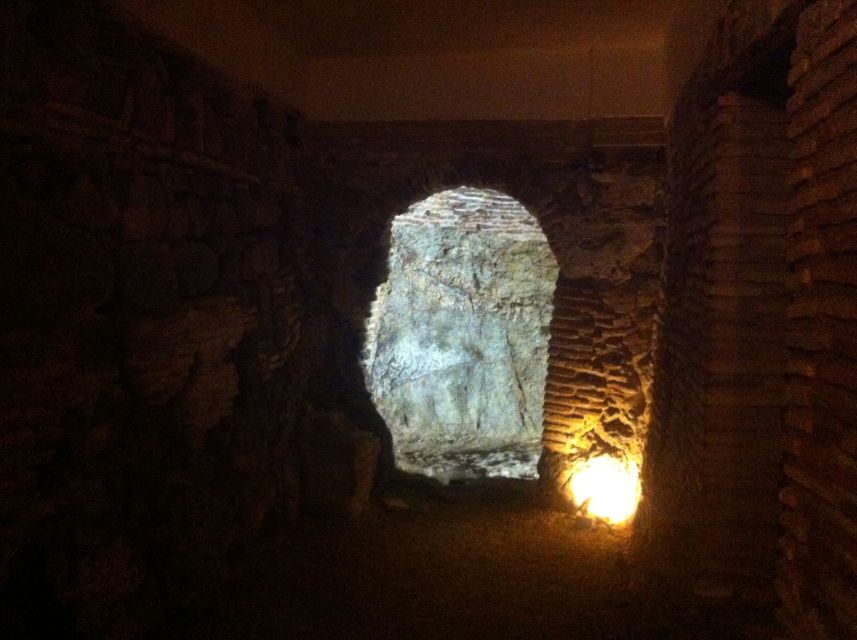
Reviewed · TOLEDO TOURS
Toledo: Ancient Underground City Tour in Spanish
Toledo’s best stories are often below street level. This two-hour walk takes you into five underground places, including Roman baths, an 11th-century Arab hammam, and a well once linked to a mosque. I like the way the route connects three cultures, Roman, Muslim, and Jewish, rather than treating Toledo as only a medieval Christian city.
I also like the small scale of the experience. A guide such as Ruth can spend time explaining odd architectural details and local legends, not just point you from one doorway to the next. The main drawback is clear: the tour is Spanish-only, and it is not suitable for people with mobility impairments.
Key points to know before booking
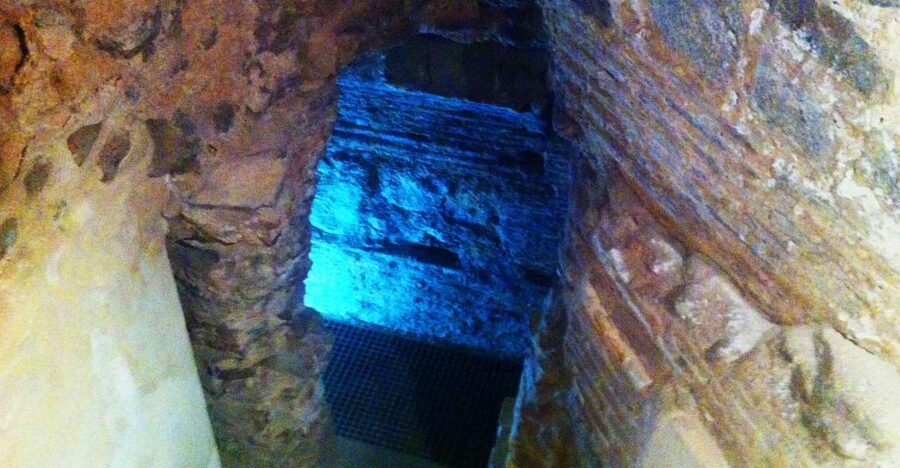
- Five underground stops: See the Bath Cenizal, Roman baths, Salvador’s Well, the Church of the Savior, and the House of the Jew.
- Three cultural influences: The route brings together Roman, Muslim, and Jewish layers of Toledo’s past.
- Spanish-speaking guide: The guide explains history, architecture, curiosities, and legends in Spanish.
- Two-hour walking experience: The length gives each stop room for explanation without taking up a full day.
- Good value at $15: Entry to the sites and the guide are included, making this an inexpensive way to see places you might otherwise miss.
- Bring steady shoes: Underground surfaces and access points make comfortable footwear important.
Why Toledo’s underground past matters
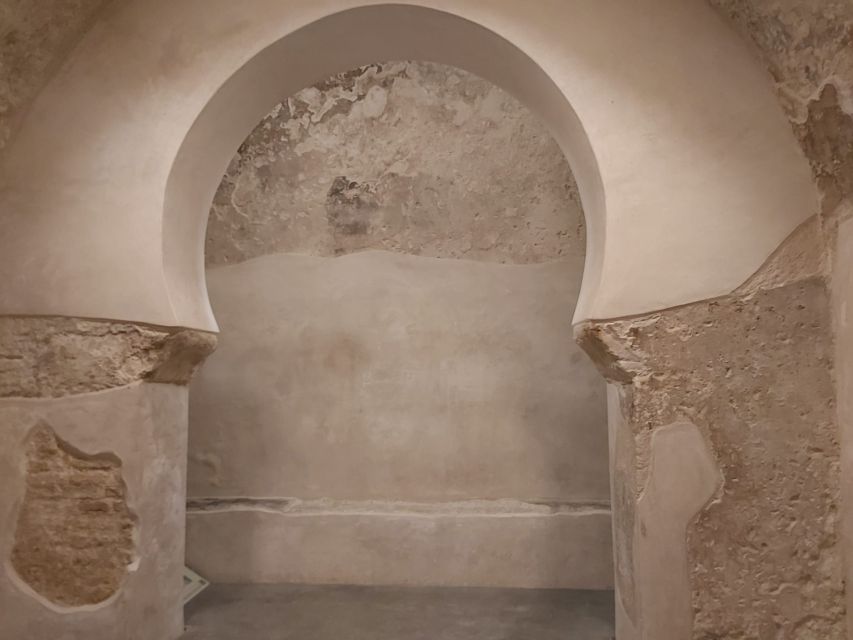
Toledo is famous for its churches, stone lanes, and hilltop views, but much of its earlier life sits beneath the present city. People excavated the rock for practical reasons: to store water, create shelter, build baths, and make passageways.
That practical work produced a second city under the first. Some spaces were built by the Romans, reused by later communities, or reshaped for new purposes. Others became the setting for stories that grew over many centuries.
I like this approach because it gives you a better way to read Toledo above ground. A well is not just a well when it once served a mosque. A bath is not merely an old room when it reveals how people met, washed, and spent time together.
The tour also deals with the point where fact and legend meet. Toledo has accumulated tales that try to explain its tunnels and buried rooms. Your guide separates known history from stories that grew around the unexplained, although the exact balance will depend on the guide and the questions you ask.
More Toledo Tours:
- Three Cities in One Day: Segovia, Avila and Toledo from Madrid
★ 5.0 · 8,402 reviews - Madrid: Segovia and Toledo Tour, Alcazar, and Cathedral
★ 4.7 · 7,797 reviews - Toledo Tour from Madrid: Cathedral, Synagogue & St. Tome’s Church
★ 5.0 · 6,784 reviews
Starting at Secretos de Toledo
The meeting point is the hall at number 7. Once inside, go to the end and look for the office of Secretos de Toledo on the right.
This is a useful detail in a city where addresses can be easy to miss. Give yourself enough time to find the entrance rather than arriving at the last minute. The experience lasts two hours, and starting calmly matters when the route moves between several separate sites.
The tour is led in Spanish by a guide focused on Toledo’s history. Ruth has received particular praise for making explanations clear and extending a recent tour beyond two hours with extra history and anecdotes. That suggests the guide may add context when the group is engaged, though you should plan around the stated two-hour duration.
This is not an audio guide or a self-guided visit. You move with a live guide, and the meaning of each room comes from the explanation. If your Spanish is limited, you may still recognize the basic setting, but you will miss much of the value in the stories and architectural details.
The Bath Cenizal and Toledo’s Arab past
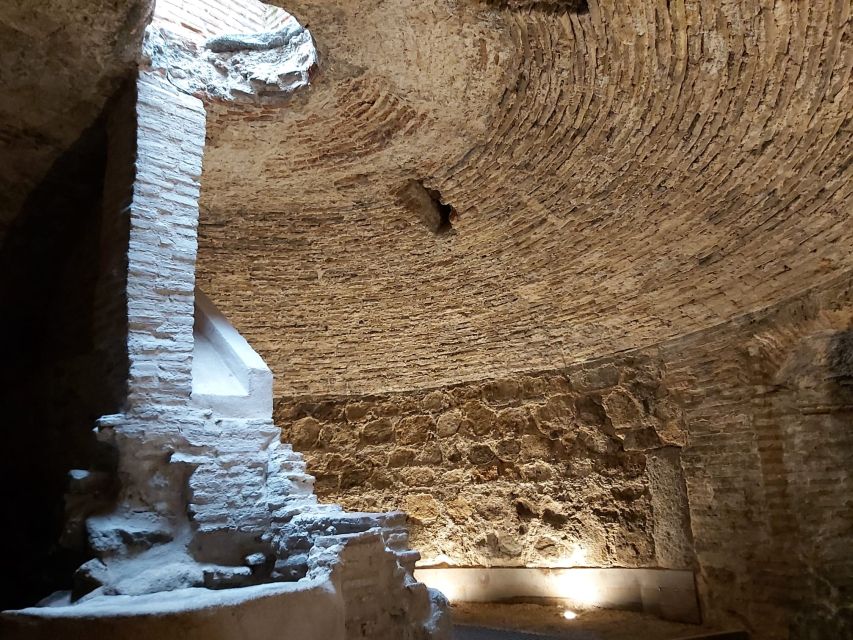
One of the main stops is the Bath Cenizal, an old hammam dating from the 11th century. The guide explains how the baths were built and used, along with the features that make the space architecturally unusual.
The word hammam points to more than washing. Baths were part of social life in Muslim cities, and the space offers a direct way to understand Toledo during its Islamic period. I find this more useful than simply hearing a date, because the building shows how daily routines shaped the city.
Pay attention to the guide’s explanation of why the bath was arranged as it was. The information provided for this experience specifically focuses on how and why the hammam was used, so this is one of the places where a Spanish-speaking guide adds real value.
The stop also helps place Toledo’s three cultural influences in sequence without turning them into isolated chapters. Roman foundations, Muslim reuse, and later Christian changes often overlap in the same city. You are not just looking at a buried room. You are seeing how one community adapted spaces made by another.
The main limitation is the language. The bath’s form may be interesting on its own, but the practical details and historical meaning come through the spoken explanation.
Roman Toledo at the Nuncio baths
The old Nuncio Roman baths represent a different side of the underground route. These baths were a social space in Roman Toledo, and the guide explains how the Romans built them and how later people reused them.
That reuse is one of the strongest ideas in this experience. Toledo was not rebuilt from nothing every few centuries. Older structures remained useful, and later residents adapted them to changing needs.
The Roman baths also give you a glimpse of city life beyond temples and monuments. Bathing spaces served social purposes, so the stop helps you imagine how people met and spent time in Roman Toledo. You do not need a long lecture on Roman administration to appreciate that point.
I would listen closely for the contrast between original construction and later changes. The guide’s job here is not simply to identify Roman stonework. It is to explain the building’s later life and show how the city reused what was already below its streets.
Because this is an underground tour, the experience has a more intimate feel than a large outdoor monument visit. The tradeoff is that you will want comfortable shoes and a reasonable level of mobility. The experience is specifically not suitable for people with mobility impairments.
More City Tours in Toledo:
- Toledo: City Sightseeing Hop-On Hop-Off Bus Tour & Extras
★ 4.3 · 683 reviews - City Sightseeing Toledo Hop-On Hop-Off Bus Tour
★ 4.5 · 439 reviews - From Madrid: Toledo City Tour and Wine Tasting Experience
★ 4.8 · 240 reviews - Toledo City Walking Tour
★ 4.5 · 125 reviews
Salvador’s Well and the former mosque
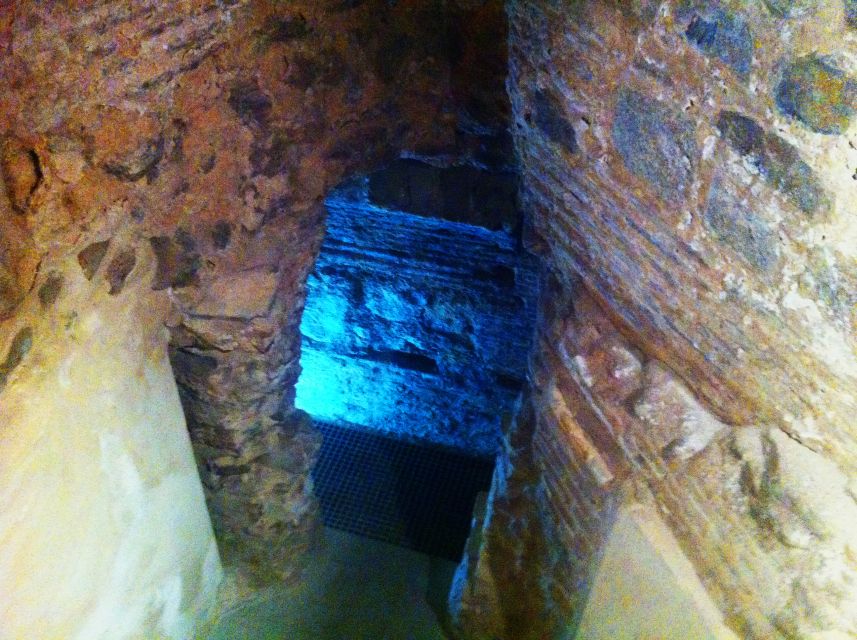
The next stop is Salvador’s Well, an 11th-century well that belonged to a mosque. This may be the most useful place for understanding how Toledo’s religious history survives in ordinary infrastructure.
Water storage was one of the main reasons people excavated underground spaces. A well tells you about practical needs, but its connection to a mosque adds a religious and communal layer.
The route then moves to the Church of the Savior. The pairing is important. You see a well associated with the mosque before visiting the church that now occupies the Christian story of the site.
I like this part of the tour because it avoids presenting Toledo’s cultures as disconnected attractions. The city’s past is layered. A site can carry traces of more than one period, and the guide helps explain how those layers relate.
Do not expect every detail to be visible without help. Wells and underground structures rarely explain themselves. This is where the live guide matters most, especially when discussing what is documented and what belongs to local legend.
The information supplied for the experience does not promise an extended visit inside the church or describe special access beyond the tour route. I would therefore think of the Church of the Savior as one part of the five-stop underground story, not as a separate full church tour.
The House of the Jew
The final named stop is the House of the Jew. It adds the Jewish chapter to a route that has already introduced Roman and Muslim Toledo.
The attraction here is the connection between place and community. The name points to the city’s Jewish past, while the surrounding route shows how Jewish, Muslim, Roman, and Christian traces exist within the same compact urban setting.
Your guide fills in curiosities and legends along the way, so this stop may be less about a single famous object and more about how the location fits into Toledo’s wider story. I would use it as a chance to ask questions about the three cultural influences highlighted throughout the tour.
The supplied information does not give a detailed description of the House of the Jew’s rooms or surviving features. That means I would avoid booking this experience based on one specific display or architectural object. Book it for the connected story of five underground locations.
A $15 tour with useful value
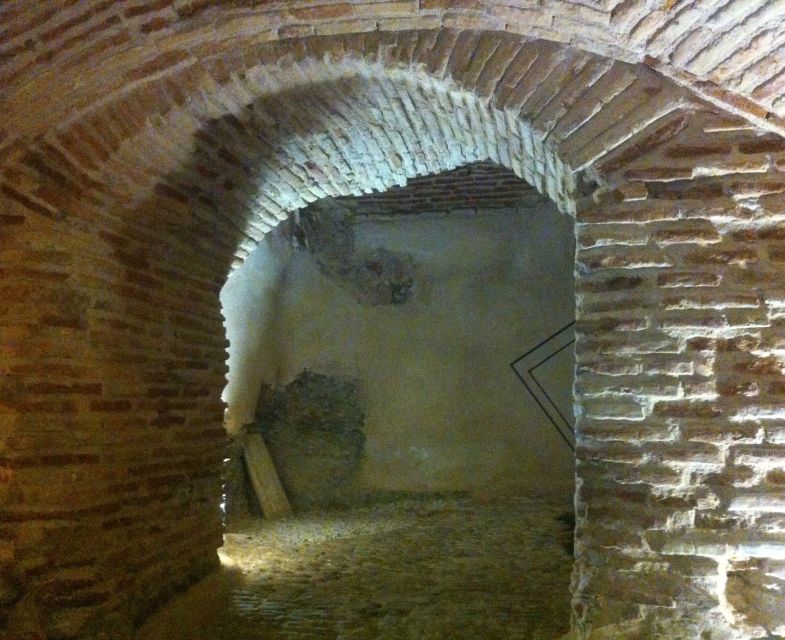
At $15 per person, this is one of the easier Toledo experiences to justify. The price includes entry to the sites and a specialized Spanish-speaking guide, so you are paying for both access and explanation.
The value is strongest if you enjoy historical context. You could possibly pass by some of these places without realizing what lies below, but the tour turns them into a connected sequence: Roman social spaces, a Muslim hammam, a mosque well, the Church of the Savior, and the House of the Jew.
It is also a good option if you have already seen Toledo’s major monuments and want a different angle. The experience does not replace the city’s most important churches, synagogues, or museums. Instead, it gives you two hours of smaller-scale sites that explain how the city was built, reused, and remembered.
Food and drinks are not included. That is not a problem for a two-hour route, but plan any meal or café stop separately.
The tour allows cancellation up to 24 hours before the start for a full refund. You can also reserve and pay later, which helps if your Toledo schedule is still changing. Starting times vary, so check availability for the date you want.
What the Spanish-only format means
This tour is conducted in Spanish, with a live guide specializing in Toledo’s history. That is the most important booking decision.
If you understand Spanish well, the format should make the history more natural and detailed. The guide can explain a legend, add an anecdote, or answer a question without forcing the experience into a fixed audio recording.
If you do not understand Spanish, I would choose an English-language alternative instead. Underground rooms can be hard to interpret visually, and the main benefit here comes from the guide’s explanations of use, dates, architecture, and local stories.
Ruth is one guide associated with the experience. Her style, based on a recent tour, includes careful explanation and extra anecdotes. Guides can vary, but you should expect a person-led history walk rather than a silent sequence of entries.
Video recording is not allowed. You can bring comfortable shoes, but the available information does not mention photography restrictions. Follow the guide’s instructions inside each site.
Who will enjoy this route most
I would recommend this tour to you if you like overlooked corners, urban history, and the way different communities reuse the same spaces. It is especially useful for someone who wants to see Toledo through more than its best-known Christian monuments.
It also suits repeat visitors. If you have already walked the main streets, the underground route gives you a fresh subject without requiring a full-day excursion outside the city.
The experience is a good fit for history-minded couples, independent adults, and anyone comfortable following a Spanish explanation for two hours. At $15, it is also a low-cost addition to a Toledo itinerary.
I would be more cautious if you need step-free access or have a mobility impairment. The experience is explicitly not suitable for people with mobility impairments, and the underground setting is the reason to take that warning seriously.
Families may enjoy the legends and unusual spaces, but the value will depend on the children’s Spanish comprehension and patience with historical explanation. The activity is not presented as a children’s tour.
Practical tips for the two-hour visit
Wear comfortable shoes. That is the one stated packing recommendation, and it makes sense for a route that links several underground sites.
Arrive at the hall at number 7 with enough time to locate the Secretos de Toledo office at the far right. A clear start is better than rushing through Toledo’s tight streets.
Keep your expectations focused. This is not a general sightseeing tour of every major monument in Toledo. It is a specialized route through five underground locations, with the guide supplying the context.
Listen for the distinction between confirmed history and legend. The tour’s subject naturally attracts dramatic stories, and part of its appeal is learning how those stories grew around real wells, baths, tunnels, and reused structures.
If you want the fullest experience, ask questions in Spanish about the changes made to each site over time. The route is built around construction, reuse, and cultural influence, so those questions match the tour’s strongest themes.
Should you book this Toledo underground tour?
Book it if you want a short, inexpensive look at Toledo’s Roman, Muslim, Jewish, and Christian layers, and you can follow a Spanish-speaking guide. The five stops give the $15 price good value, especially because entry and guiding are included.
I would choose it for the unusual subject, the focused two-hour length, and the chance to see places connected to baths, wells, and underground construction. I would skip it if you need accessible routes or want an English-language explanation.
For Spanish speakers, this is a practical way to get below Toledo’s famous streets and hear the stories that explain what you are seeing. For everyone else, check the language issue first. It is the difference between a rewarding history walk and a series of hard-to-interpret rooms.
FAQ
Where does the Toledo underground tour meet?
Enter the hall at number 7. The Secretos de Toledo office is at the end on the right.
How long does the tour last?
The stated duration is two hours. One recent tour led by Ruth lasted more than two hours, but you should plan around the scheduled two-hour duration.
What language is the tour conducted in?
The tour is conducted in Spanish by a live guide specializing in the history of Toledo.
How many underground locations will I visit?
The route includes five underground locations.
Which sites are included?
The sites include the Bath Cenizal, an 11th-century Arab bath, the old Nuncio Roman baths, Salvador’s Well, the Church of the Savior, and the House of the Jew.
What is included in the price?
Entry to the sites and a Spanish-speaking guide specialized in Toledo’s history are included.
Are food and drinks included?
No. Food and drinks are not included.
Is the tour suitable for people with mobility impairments?
No. The experience is not suitable for people with mobility impairments. Comfortable shoes are recommended.
Can I cancel for a refund?
You can cancel up to 24 hours in advance for a full refund. You can also reserve now and pay later.
Just added around Toledo
- Hot Air Balloon over Toledo with optional transfers from Madrid★ 4.5 · 23 reviews
- Visit to the Toledo Underground★ 4.5 · 45 reviews
- Underground Visit★ 5.0 · 35 reviews
- Private Jewish Walking Tour in Toledo★ 5.0 · 95 reviews
- Toledo, City of the Three Cultures★ 4.5 · 11 reviews
- Toledo Historical Small Group Tour with Cathedral & Monuments★ 5.0 · 49 reviews
- Toledo Underground Tour Visit Thermae and Private Basements★ 5.0 · 50 reviews
- Toledo Templars Evening Walking Tour★ 5.0 · 24 reviews
Toledo Tours, compared.
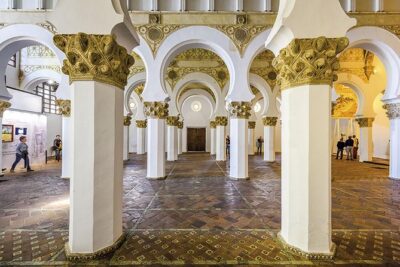
Toledo Tour from Madrid: Cathedral, Synagogue & St. Tome’s Church
Read our review →
Toledo Half or Full Day Tour with Optional Lunch from Madrid
Read our review →
Toledo & Segovia Full Day Guided Tour with Alcázar
Read our review →

Segovia and Toledo Day Tour from Madrid with Optional Alcazar
Read our review →
Browse the lists this tour appears in