
Reviewed · TOLEDO TOURS
Guided Visit to the Toledo Underground
Toledo’s best stories are often below street level. This two-hour walk takes you into five underground spaces, including medieval dungeons, an Islamic hammam, a Jewish ritual bath, a water system, and Roman baths. I like the way the route connects daily life with the city’s larger story, rather than treating archaeology as a collection of disconnected stones.
I also like the unusually low price, about $14.24 per person, and the fact that some sites can only be entered with an official guide. The main consideration is physical: you will use stairs and go up and down several times. Summer heat can also matter, even though some underground sections feel refreshingly cool.
Key points at a glance
- Five underground stops: See medieval, Islamic, Jewish, and Roman remains beneath Toledo’s streets.
- A useful evening start: Meet at Plaza de Zocodover at 6:30 pm, then finish near the Cathedral.
- Guides bring the sites to life: Monica, Luis, and Estefanía are named as guides associated with this experience.
- Some access is guide-only: The tour includes underground places you may not be able to enter independently.
- Good value for history lovers: Entrances are included in the $14.24 price, with no extra admission charges listed.
- Expect stairs: The route includes climbs and descents, so moderate physical fitness is advised.
Toledo’s story begins below Plaza de Zocodover
Toledo is famous for its hilltop streets, cathedral, churches, and views across the Tagus. Yet the city’s foundations hold another Toledo, one shaped by water, bathing, punishment, worship, and public life.
This tour lets you move through several periods in a compact route. Roman Toletum appears at the end, medieval Toledo comes forward in the dungeons of the Holy Brotherhood, and Islamic and Jewish life are represented through the Baños del Ashen and the miqveh at the Casa del Judío.
I like this structure because it gives you a sense of continuity. The city was not rebuilt from scratch every few centuries. New communities used, altered, and built around older spaces. A well, a bath, or a cellar could outlast the people who first made it.
The tour begins at Plaza de Zocodover, the central meeting point at 6:30 pm. It finishes on Callejón Nuncio Viejo, very close to the Cathedral. That start and finish make the route easy to combine with an evening walk through central Toledo, though you should allow time to reach the starting point before the group leaves.
The group is limited to a maximum of 20 people. That is small enough for a guide to explain details without turning the visit into a large crowd, though the narrow underground rooms may still feel close if the group is full.
More Toledo Tours:
- Three Cities in One Day: Segovia, Avila and Toledo from Madrid
★ 5.0 · 8,402 reviews - Madrid: Segovia and Toledo Tour, Alcazar, and Cathedral
★ 4.7 · 7,797 reviews - Toledo Tour from Madrid: Cathedral, Synagogue & St. Tome’s Church
★ 5.0 · 6,784 reviews
The Holy Brotherhood dungeons at Posada de la Hermandad
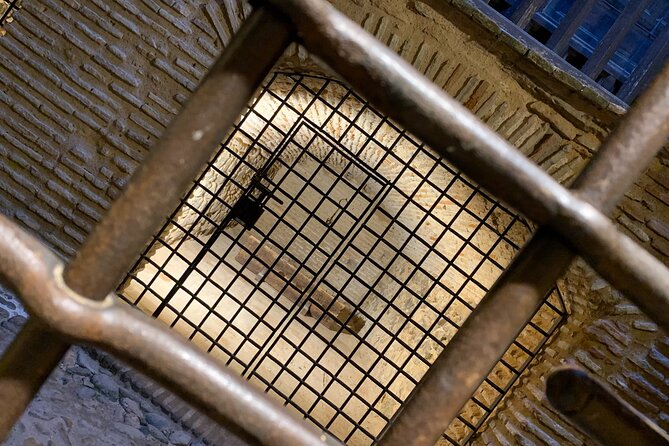
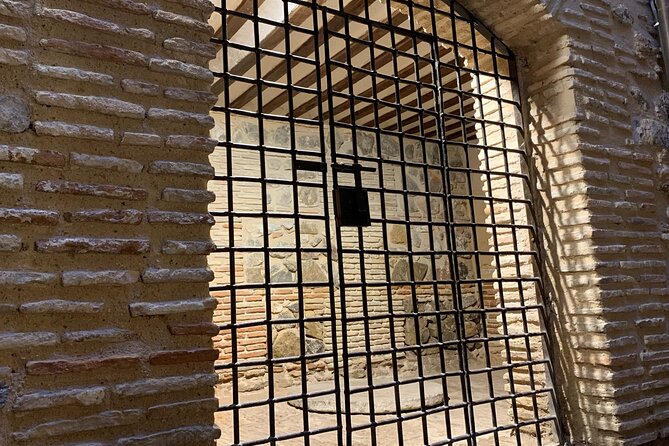
The first stop takes you into the dungeons of the Holy Brotherhood, described as the only preserved dungeons of their kind in the city. This is a strong opening because it shows Toledo at its most practical and severe. Before the tour reaches baths and water systems, you see how medieval authorities dealt with crime and prisoners.
The Holy Brotherhood was a law-enforcement organization. The guide also explains the origin of the green sleeves, a local nickname linked to the group’s appearance. That small detail gives the stop a human edge. Instead of hearing only about an institution, you get a memorable image tied to the people who made it visible in the streets.
The dungeons are part of the Posada de la Hermandad. Admission is included, and this is one of the places where having a guide matters. You are not simply walking through an old room. You are given the setting, the purpose of the building, and the social role of the Holy Brotherhood.
This stop is best for anyone who likes the less polished side of history. It is not a grand monument, and the appeal comes from atmosphere and explanation rather than decoration. If you prefer churches and formal art, this part may feel austere. I think it works well because it makes Toledo feel like a lived-in city, not only a museum.
The stop is scheduled for about an hour. That is a substantial portion of a two-hour route, so you should expect the guide to explain the site in some detail rather than rush through it.
Baños del Ashen and the world of the hammam
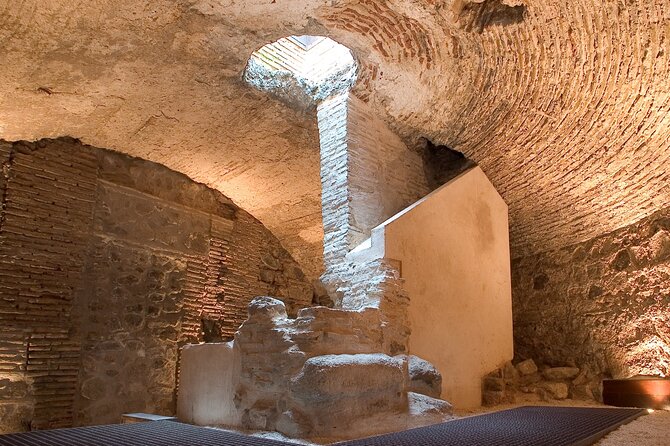
The route then descends to the Baños del Ashen, taking you back to the 10th century. Here the focus changes from punishment to hygiene, religious practice, and social contact.
A hammam was more than a place to wash. It could serve personal, religious, and social purposes at once. The description of this stop emphasizes that mix, which helps you picture how bathing fitted into daily life. The building becomes a way to understand customs and relationships, not simply an old structure underground.
This is one of the tour’s most useful stops for putting Islamic Toledo into context. You are not asked to treat the past as a list of dates. Instead, you consider what people did in the space and why it mattered.
The underground setting also gives the visit a different mood from Toledo’s major sights above ground. You may find the cooler air pleasant, especially during a hot summer evening, although the route still includes stairs and movement between sites. One guide specifically advised caution on days of intense heat, so carry water and dress for walking rather than assuming an underground tour will keep you cool from start to finish.
The Baños del Ashen may appeal especially to anyone interested in architecture, public health, religion, or ordinary routines. It also helps families, including older children, see that history is about how people lived. The guides associated with the experience are praised for explaining complex subjects clearly and keeping the tone entertaining.
The Pozo del Salvador: wells, cisterns, and water on a hill
At the Pozo del Salvador, the subject is water. The guide explains the difference between a well and a cistern, two systems that helped people obtain drinking water in a city built high above the surrounding river.
That distinction is easy to overlook, but it is one of the most practical parts of the visit. A well draws from groundwater, while a cistern stores collected water. You do not need technical expertise to follow the explanation, and the topic shows why water management mattered so much in a fortified hilltop city.
Toledo’s underground spaces often look modest compared with the Cathedral or Alcázar. Their importance lies in the problem they solved. A water source could determine where people lived, how buildings were planned, and how a city survived during dry periods or conflict.
I like this stop because it changes the question from who ruled Toledo to how residents managed everyday needs. It also gives you a better eye for similar features elsewhere in Spain. After the guide points out the difference, wells and cisterns become easier to recognize when you see them in other historic buildings.
The information provided does not give a separate time for the Pozo del Salvador, so the visit is part of the wider two-hour route. The pace should suit you if you enjoy short explanations at several sites rather than spending the entire outing in one major monument.
More Guided Tours in Toledo:
- From Madrid: Guided Day Trip to Toledo by Bus
★ 4.1 · 5,280 reviews - Madrid: Toledo & Segovia Full Day Guided Tour with Alcázar
★ 4.6 · 4,394 reviews - From Madrid: Toledo Guided Day Trip
★ 4.3 · 3,501 reviews - Guided Walking Tour of Immortal Toledo
★ 5.0 · 1,116 reviews
Casa del Judío and its 14th-century miqveh
The Casa del Judío contains a miqveh, a traditional Jewish bath dating from the 14th century. This is one of the most distinctive parts of the route because it brings Jewish Toledo into the underground story through a specific ritual space.
A miqveh was used for ritual immersion. The guide explains the role of the bath and places it within the Jewish community that lived in Toledo. That makes the stop more meaningful than a quick look at a pool or chamber. You learn how a religious practice shaped the design and use of the space.
The Casa del Judío is also a good example of why a guided visit can add real value. The physical remains may not explain themselves. Without context, you might see only stone, steps, and water-related features. With an official guide, the room becomes connected to belief, custom, and community life.
This stop suits you if you want to go beyond Toledo’s most familiar Christian monuments. The tour does not present one single version of the city. Instead, it moves across the communities that shaped it, including Roman, Islamic, Jewish, and medieval influences.
The route’s subject matter is strong, but you should keep your expectations realistic. Underground archaeology is often intimate rather than spectacular. You are coming for access and explanation, not for a large restored building filled with objects.
Roman baths at Plaza de Amador de los Ríos
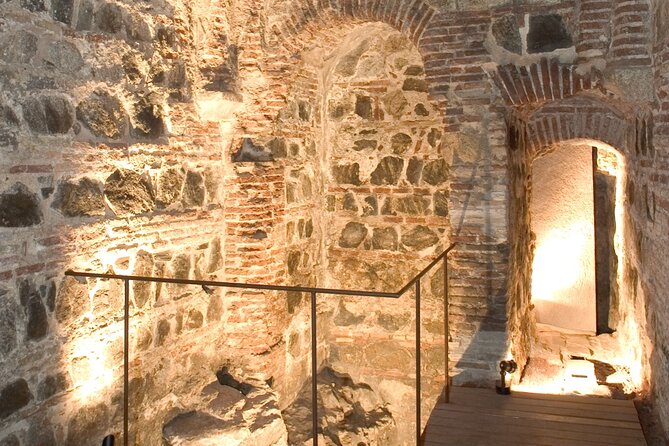
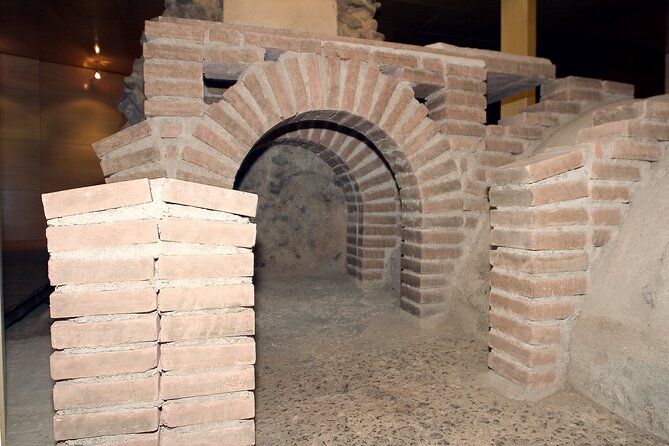
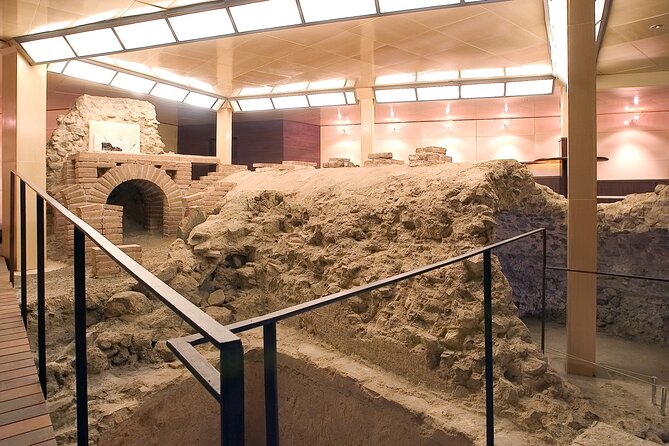
The final major stop is the Roman baths at Plaza de Amador de los Ríos, the remains of ancient Toletum. Here the guide explains how the baths worked, how much time Romans spent there, and what bathing meant in daily life.
The stop is scheduled for about an hour in the itinerary details, which shows its importance to the route. You examine different stages of the baths through the archaeological remains and learn how the complex developed over time.
Roman baths were social spaces as well as places for washing. The guide uses the remains to discuss routine, public life, and the organization of the building. That gives you a useful counterpoint to the 10th-century hammam. Both involve bathing, but they belong to different periods and cultural settings.
Ending with Roman Toledo works well. You finish at the city’s earliest layer, looking beneath the medieval streets to the settlement that came before. The route therefore moves through several eras while also returning to a basic human need: water, cleanliness, and shared space.
This is the stop most likely to appeal to fans of Roman archaeology. It may be less satisfying if you expect a fully restored bath complex or large decorative remains. The value is in seeing the archaeological stages and hearing how the spaces functioned.
What the guides add to the visit
The quality of this experience depends heavily on the guide. The named guides include Monica, Luis, and Estefanía. Descriptions of the guiding style consistently point to clear explanations, enthusiasm for Toledo, and the ability to answer questions.
Monica is associated with a warm, energetic presentation of the city and its underground sites. Luis is described as bringing strong knowledge of history, archaeology, and local legends. Estefanía is noted for being approachable and for making the material accessible to children as well as adults.
You should still treat the guide names as subject to assignment on your date. The experience is provided by Rutas Guiadas Toledo A Pie, Guías Oficiales Locales, but the supplied details do not promise one particular guide for every departure.
What matters most is the format. You are moving between sites that can be difficult to understand without interpretation. A good guide explains what you are looking at, connects it to Toledo’s wider story, and keeps the group moving through narrow or uneven spaces.
The route also benefits from local storytelling. Legends appear alongside archaeology, which can make the visit more entertaining. The balance is useful: you get documented remains and engaging stories without reducing the city to a collection of myths.
Price, timing, and practical value
At about $14.24 per person, the tour is inexpensive for a two-hour guided experience with underground entrances included. Tips are not included, but no additional entrance fees are listed.
I see the price as particularly good if you have already visited Toledo’s main sights. The Cathedral and other major monuments can take up much of a day, while this route gives you a different subject at a modest cost. It also includes access to spaces that may not be open to you without an official guide.
The start time is 6:30 pm. That can work well after a daytime sightseeing schedule, especially during warm weather. The finish near the Cathedral gives you an easy point from which to continue exploring the historic center.
The tour is booked, on average, 24 days ahead. That does not guarantee that every date fills early, but it is a useful sign that you should reserve before your visit rather than wait until the last minute.
You receive confirmation when booking, and a mobile ticket is provided. The meeting point is Plaza de Zocodover, and the end point is Callejón Nuncio Viejo, close to the Cathedral. The area is near public transportation.
The experience requires moderate physical fitness. Expect stairs, climbs, and descents. The supplied details do not promise wheelchair access, step-free movement, seating, or a specific temperature underground, so ask the operator directly if any of those points affect your plans.
A maximum group size of 20 keeps the tour from becoming unwieldy. Still, some underground spaces may feel tight when everyone gathers inside. If you dislike enclosed rooms, consider that before booking.
Who should book this underground route
I would choose this tour if you have already seen Toledo’s famous above-ground sights and want something less predictable. It is also a strong pick for people interested in archaeology, Roman Spain, Islamic culture, Jewish heritage, medieval law, or historic water systems.
Families can benefit from the variety. The route changes subject often, and guides such as Estefanía are described as making the explanations suitable for children. The stairs and two-hour duration are the main family considerations.
This is also a good option for repeat visitors. Even if you have been to Toledo several times, the underground route offers a different angle on the city. It makes the streets above more legible because you begin to imagine the older structures beneath them.
I would be more cautious if you have limited mobility, dislike stairs, or want a relaxed walk with few stops. The route is active and includes repeated climbs and descents. It is also not a substitute for a major art or architecture tour.
Book at least 24 hours ahead if you want the option of a full refund. Cancellation is free up to that point. Changes or cancellations within 24 hours are not accepted for a refund, and the activity can be moved or refunded if bad weather or an insufficient minimum group causes cancellation.
Should you book the Toledo Underground visit?
Yes, if you want a compact, affordable look at the parts of Toledo most independent sightseeing misses. The mix is unusually broad: Holy Brotherhood dungeons, a 10th-century hammam, a water source, a 14th-century miqveh, and Roman baths.
The strongest reason to book is access with explanation. You are not only walking through old rooms. You are learning how punishment, bathing, religion, and water shaped life beneath the city.
The main limits are clear: stairs, a moderate fitness requirement, and the possibility of hot conditions before and between underground sections. If those are manageable, this is an excellent two-hour addition to a Toledo visit, especially for $14.24.
FAQ
How long does the Toledo Underground tour last?
The experience lasts approximately two hours.
Where does the tour begin?
The meeting point is Plaza de Zocodover in Toledo.
What time does the tour start?
The scheduled start time is 6:30 pm.
Where does the tour finish?
The tour ends at Callejón Nuncio Viejo, very close to the Cathedral.
How many underground sites are included?
The route includes five underground spaces, including the Holy Brotherhood dungeons, Baños del Ashen, Pozo del Salvador, the miqveh at Casa del Judío, and Roman baths.
Are entrance fees included?
Yes. Underground entrances are included in the tour price.
How large is the group?
The activity has a maximum of 20 participants.
Can I cancel for a full refund?
Yes, if you cancel at least 24 hours before the scheduled start time. Cancellations made less than 24 hours before the start are not refunded.
Just added around Toledo
- Hot Air Balloon over Toledo with optional transfers from Madrid★ 4.5 · 23 reviews
- Visit to the Toledo Underground★ 4.5 · 45 reviews
- Underground Visit★ 5.0 · 35 reviews
- Private Jewish Walking Tour in Toledo★ 5.0 · 95 reviews
- Toledo Underground Tour Visit Thermae and Private Basements★ 5.0 · 50 reviews
- Toledo, City of the Three Cultures★ 4.5 · 11 reviews
- Toledo Historical Small Group Tour with Cathedral & Monuments★ 5.0 · 49 reviews
- Toledo Templars Evening Walking Tour★ 5.0 · 24 reviews
Toledo Tours, compared.
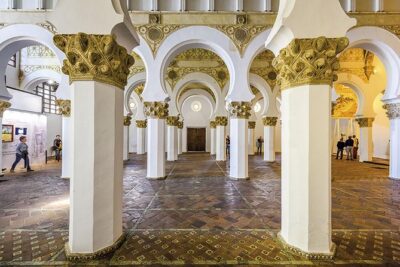
Toledo Tour from Madrid: Cathedral, Synagogue & St. Tome’s Church
Read our review →
Toledo Half or Full Day Tour with Optional Lunch from Madrid
Read our review →
Toledo & Segovia Full Day Guided Tour with Alcázar
Read our review →

Segovia and Toledo Day Tour from Madrid with Optional Alcazar
Read our review →
Browse the lists this tour appears in