
Reviewed · THYSSEN-BORNEMISZA MUSEUM TICKETS
Madrid Thyssen Museum Guided Tour with Small Group
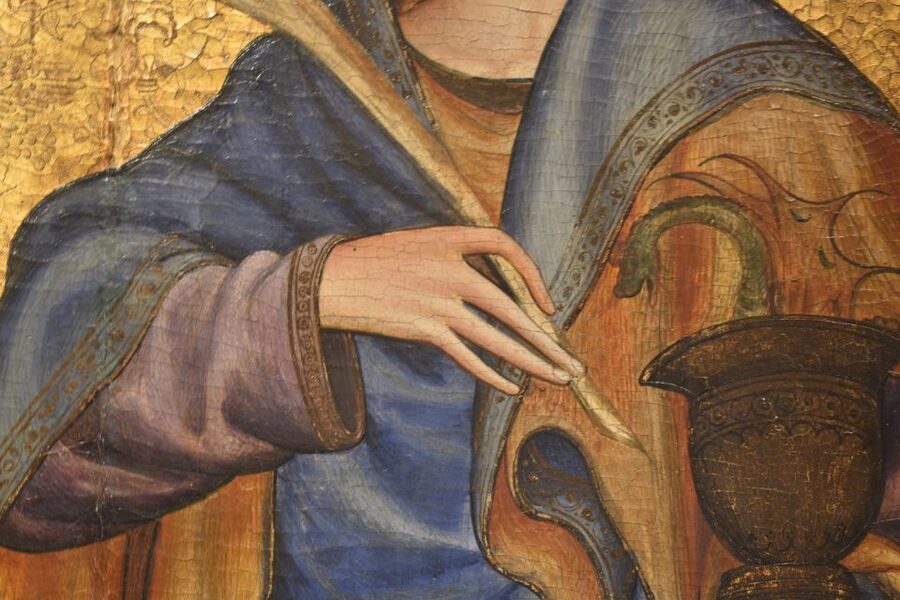
The Thyssen-Bornemisza Museum is one of Madrid’s best places to see European art in one sitting. Its collection moves from Caravaggio and Rembrandt to Monet, Degas, Picasso, and Dalí, so you get a broad lesson in painting without crossing the city.
I like the skip-the-line entry, which gets the 1.5-hour visit moving quickly. I also like the seven-person limit. That is small enough for a guide such as Belen, Stefi, or Stefania to answer questions and adjust the route when your interests call for something different.
The main limitation is time. Ninety minutes is enough for carefully chosen highlights, but not for every room or every period. At $56 per person, this makes the tour best for visitors who want structure and context, not for those planning a long, independent museum day.
Key points to know before you book
- Seven people maximum: The small group leaves room for questions and personal requests.
- A wide sweep of art: The route can move from older European works to Baroque, Impressionist, modern, and contemporary art.
- Guides with strong teaching skills: Belen, Stefi, and Stefania are praised for connecting technique, history, and individual paintings.
- Direct museum entry: Your ticket is already arranged, so you go inside without waiting in the ticket line.
- Ninety-minute focus: Expect selected highlights rather than a complete tour of the collection.
- Easy access: The museum has elevators, and the experience is wheelchair accessible.
Why the Thyssen works well with a guide
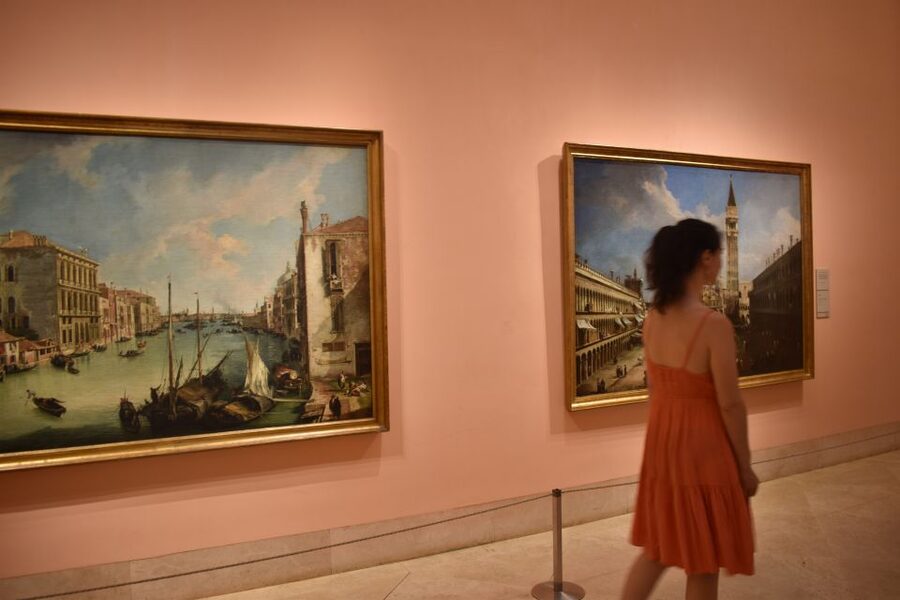
Madrid’s Thyssen-Bornemisza Museum is especially suited to a guided visit because the collection covers so many styles and centuries. You may move from an Italian Baroque painting to an Impressionist canvas, then to Picasso or Dalí. Without a plan, that range can feel like a series of unrelated stops.
A good guide gives you the connecting thread. Instead of simply naming the artist and date, the guide can explain how changes in technique, subject, and artistic purpose lead from one period to the next. The strongest comments about this tour focus on exactly that skill: making art history understandable while keeping the visit lively.
The collection began as the private holdings of Baroness Thyssen, and the museum’s appeal comes partly from its personal, wide-ranging character. You are not looking at only one school or national tradition. The tour gives you a way to see how the collection’s different parts fit together.
More Thyssen-Bornemisza Museum Tickets:
- Museo Nacional Thyssen-Bornemisza with Skip the line ticket
★ 4.5 · 435 reviews - Madrid: Thyssen Museum Guided Tour with Skip-the-Line Entry
★ 4.5 · 165 reviews - Madrid: Thyssen-Bornemisza Museum Guided Tour & Entry Ticket
★ 4.6 · 70 reviews
Meeting at the Baron Thyssen bust
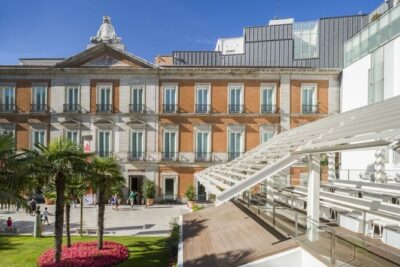
You meet outside the museum by the bust of Baron Thyssen, directly in front of the museum gate. This is a useful meeting point because it is specific and easy to identify, rather than simply asking you to wait somewhere along a large plaza.
Your guide should already have the museum tickets. After the group gathers, you go directly inside instead of joining the ticket line. That saves some standing around, but the bigger benefit is mental: you can begin thinking about the art as soon as you enter, rather than spending the first part of your visit sorting out admission.
Arrive ready to recognize your guide and group. Since the party is limited to seven participants, the meeting should feel more personal than a large museum crowd, and it should be easier to hear explanations in front of the paintings.
A chronological route from older paintings to the avant-garde
The usual route begins with the oldest works and moves forward toward 20th-century avant-garde art. This order gives the visit a clear shape and helps you notice how painting changes over time.
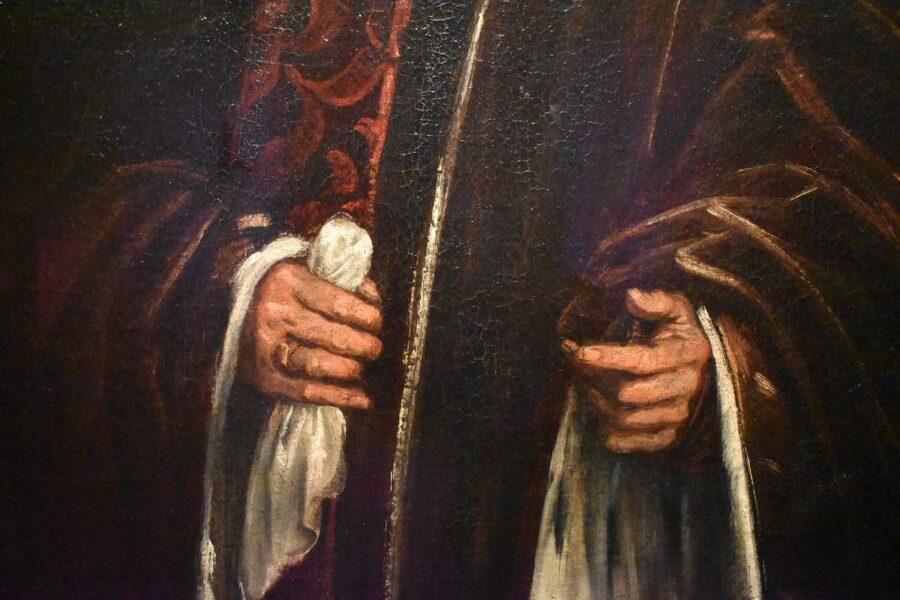
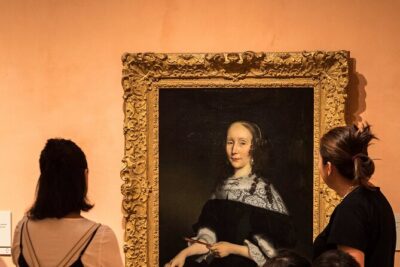
The early part of the tour may include Old Master works and artists such as Rembrandt. Here, your guide can help you look beyond the subject of a painting and pay attention to light, composition, facial expression, and the way an artist directs your eye.
The Baroque section brings in Caravaggio, one of the collection’s major names. His work gives a guide plenty to discuss, from dramatic light to emotional intensity. This is a good point to ask questions, especially if you want to understand why a painting feels so immediate or theatrical.
The route then reaches Impressionism, with Monet and Degas among the key names. These paintings make a useful contrast with the earlier works. You may find yourself looking less at precise detail and more at color, movement, atmosphere, and the moment an artist is trying to capture.
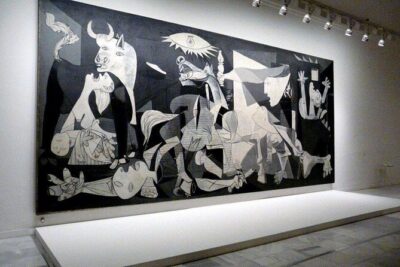
The final part moves toward modern and contemporary art, including Picasso and Dalí. Both are major Spanish artists of the 20th century, but they offer very different ways of seeing. A guide can help you place their work in the larger shift away from traditional representation and toward new forms, ideas, and visual language.
This chronological plan is sensible for a first visit, but it is not rigid. The tour description makes clear that you can ask to focus on something specific. If you are particularly interested in Impressionism, Spanish art, or a certain artist, tell the guide early.
What the small group changes
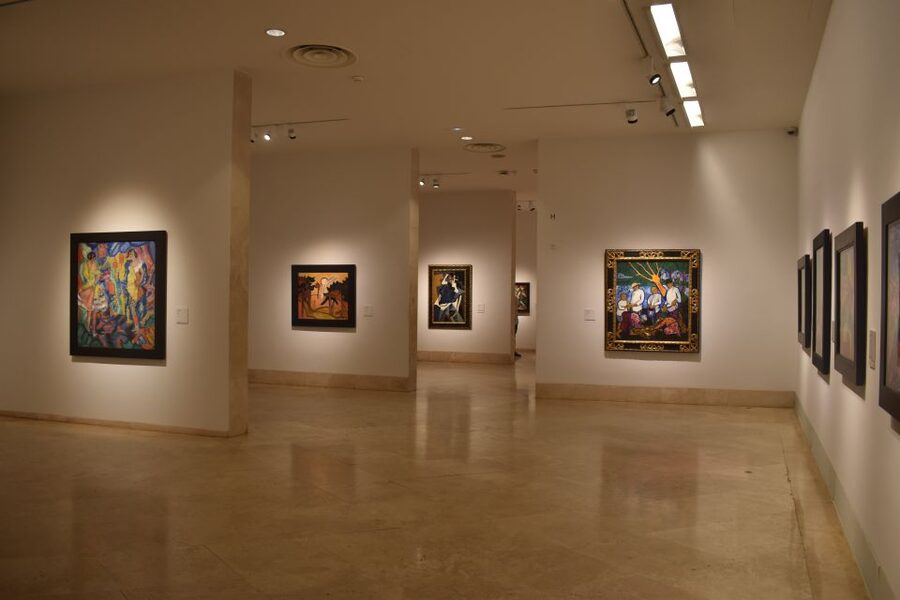
Seven participants is a practical number for an art museum. You are close enough to the guide to hear clearly, but the group is still large enough to benefit from different questions and reactions.
The small size also changes the tone. A guide can pause briefly when someone needs more explanation, rather than delivering a fixed speech to a large crowd. You may be able to ask about a painting that catches your attention, even if it is not one of the main stops.
One visitor happened to be the only person booked for a particular time and received a route shaped around personal interests and questions. You should not assume you will have a private tour, but the small-group format gives you a better chance of personal attention than a standard large-group visit.
There is one tradeoff. A compact group does not guarantee a private pace. The tour still lasts 1.5 hours, and the guide must choose which works to cover. If you want to stop at every painting or read every label, you will need additional time after the guided portion.
More Museums in Madrid:
- Madrid: Prado Museum Entry Ticket
★ 4.6 · 17,509 reviews - Madrid: Reina Sofía Museum Entrance Ticket
★ 4.5 · 6,889 reviews - Madrid: Small Group of Prado Museum Tour & Optional Tapas
★ 4.6 · 2,437 reviews - Madrid: Prado Museum Guided Tour with Skip-the-Line Ticket
★ 4.5 · 2,018 reviews
Guides who make the art easier to read
The guide is the most important part of this experience. Belen has been praised for placing individual paintings within the larger sweep of art history and for making that context clear without making the visit feel like a lecture.
Stefi has been singled out for bringing the museum to life and explaining both artistic techniques and the ideas behind the works. Stefania has also been noted for communicating well before the tour and making sure the major works receive attention.
Those details suggest a guide who does more than recite facts. You can expect discussion of the art itself, the techniques used, and the historical setting that helps explain why a work matters. A good museum guide should also tell a story, and the comments about storytelling are important here because ninety minutes can pass quickly when the presentation has energy.
Guide assignments can change, so you should not book on the assumption that a particular person is guaranteed. Still, the repeated praise for Belen, Stefi, and Stefania points to a strong standard across the English-language guiding team.
How much art you can see in 90 minutes
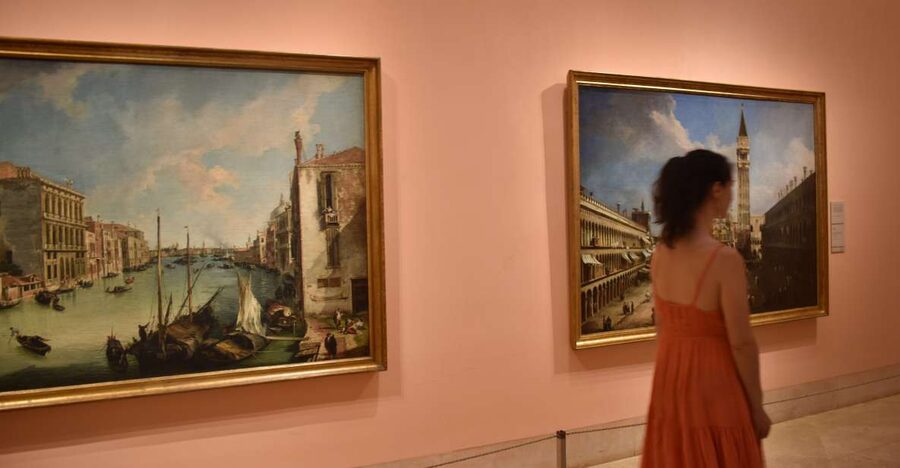
Ninety minutes is a useful length for a focused museum introduction. It is long enough to cover major periods without exhausting you, especially if the rest of your Madrid schedule includes walking and other sights.
You should expect a highlights route. The guide will select important works from the larger collection, with the exact balance shaped by the group’s interests and the museum’s conditions on the day.
The museum is large enough that a complete visit would require much more time. That is not a flaw in the tour, but it matters when setting expectations. If you want a slow look at every room, buy a regular museum visit and plan to explore independently after the tour, if admission conditions allow.
The best use of this experience is to let the guide give you a framework, then return on your own to the works that stayed with you. Pay attention to the artists and periods that interest you most. You can use the final part of your Madrid visit to focus on those areas at your own pace.
What $56 buys you
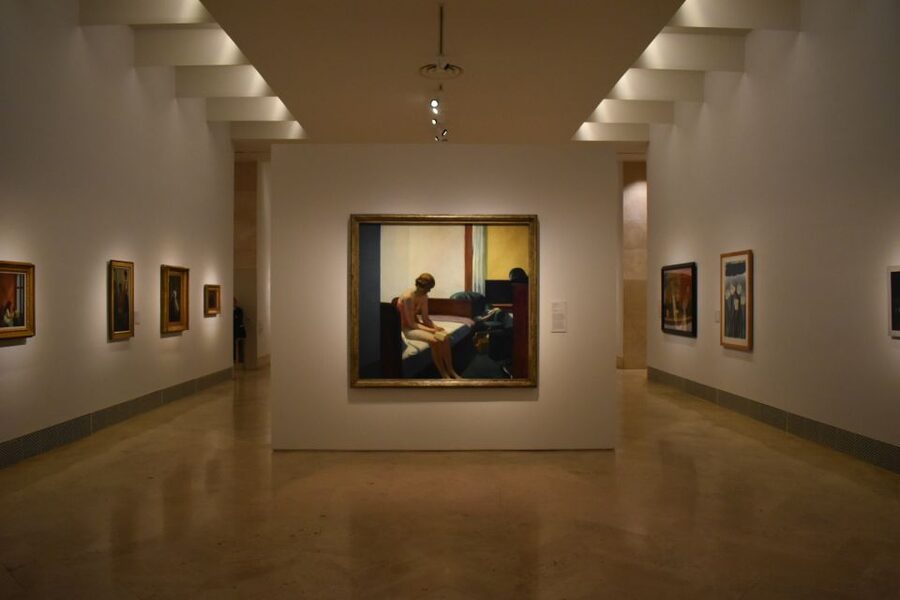
The price is $56 per person, including the museum entry ticket and guided tour. That is more than the cost of simply entering a museum, but the comparison should include the guide’s time, the small group, and the convenience of bypassing the ticket line.
I see the strongest value for first-time visitors who are unsure how to approach a major art museum. You are paying for selection and explanation. Instead of spending your first half hour deciding where to go, you begin with a route designed around important works and artistic connections.
The price is less attractive if you already know the collection well or prefer to study paintings alone. An independent visit gives you more control over time and lets you stay with one artist for as long as you wish.
For couples, families with older children, and art lovers who want a clear introduction, the cost can be reasonable. The seven-person limit is the feature that separates this from a basic group tour. You are not just buying entry. You are buying access to a guide who can respond to the people in front of them.
Practical details that matter

The tour is conducted in English with a live guide. The museum has elevators, and the activity is wheelchair accessible, which makes the route workable for visitors who need step-free access.
Drinks are not allowed, so finish your coffee or carry it elsewhere before the meeting. Loose clothing is also listed as not allowed. This is an unusual rule to notice in advance, so dress in a way that avoids dangling or unsecured garments.
The tour runs in all weather unless the museum closes. Since most of the experience takes place indoors, rain should not affect the visit itself, but you still need to reach the meeting point outside the museum.
You can cancel up to 24 hours before the start for a full refund. You can also reserve now and pay later, which is useful if your Madrid plans are still taking shape.
Who will get the most from this visit
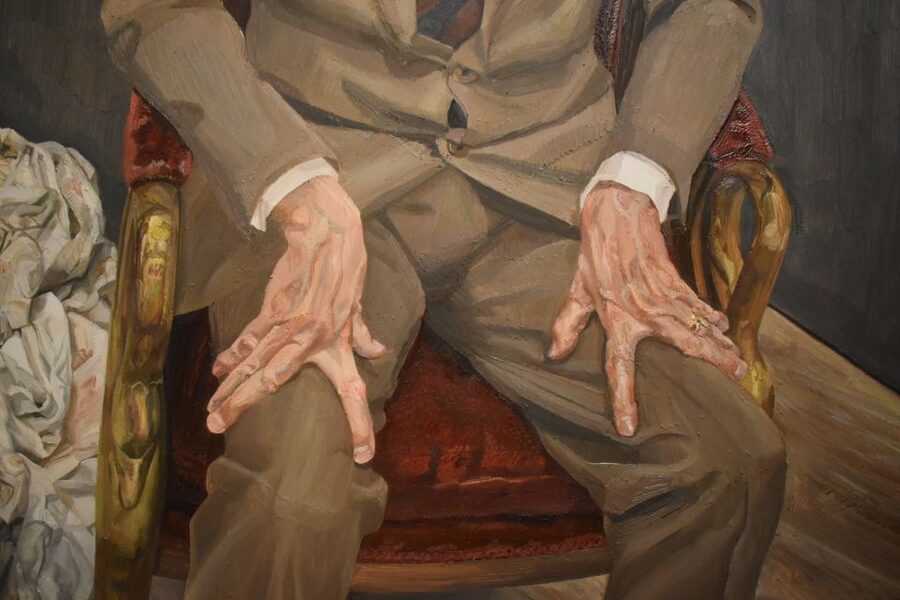
I would choose this tour if you want a short, well-organized introduction to the Thyssen collection and prefer hearing why the art matters rather than reading labels on your own.
It suits you particularly well if:
- You are visiting the museum for the first time.
- You want to see major names from several periods.
- You enjoy asking questions during a tour.
- You have limited time in Madrid.
- You prefer a group no larger than seven.
- You want an English-language guide.
It may not suit you if your main goal is quiet, unhurried looking. Serious art students may also want more time with individual works than this format allows.
Families should consider the interests and attention span of their children. The small group helps, but the chronological route and art-history discussion are designed for visitors who can stay engaged for 90 minutes.
Is the Thyssen small-group tour worth booking?
I would book this tour if you want the Thyssen to make sense quickly. The collection reaches from Rembrandt and Caravaggio to Monet, Degas, Picasso, and Dalí, and a strong guide can turn that range into a clear story rather than a blur of famous names.
The best reason to choose it is the combination of expert explanation and a seven-person limit. Belen, Stefi, and Stefania have each been praised for clear teaching, storytelling, artistic technique, and historical context. The main caution is simple: ninety minutes gives you highlights, not a full museum day.
Book it for a focused first visit, then stay longer on your own if you have the time. Skip it if you already have a detailed plan and want complete control over every minute.
FAQ
How long does the Madrid Thyssen Museum guided tour last?
The tour lasts 1.5 hours.
How many people can join the tour?
The group is limited to a maximum of seven participants.
Is the tour conducted in English?
Yes. The activity includes a live English-speaking guide.
Does the price include museum admission?
Yes. The entry ticket and guided tour are included.
Where is the meeting point?
Meet by the bust of Baron Thyssen, directly in front of the museum gate.
Is the tour wheelchair accessible?
Yes. The museum has elevators, and the activity is wheelchair accessible.
Just added around Madrid
- From Madrid: Parque Warner Beach Water Park & Transport★ 3.9 · 14 reviews
- Madrid Wine Tasting, Flamenco Class and Pub Crawl★ 4.5 · 6 reviews
- Visit the National Archaeological Museum in Madrid★ 4.4 · 6 reviews
- Virtual Reality Experience Fun And Tickets & Imageen★ 5.0 · 12 reviews
- Visit to the Prado Museum★ 4.9 · 6 reviews
- Tuk Tuk Tour with Wine Test in Madrid★ 3.8 · 6 reviews
- Tuktuk historical tour of Madrid 1 Hr in a fun and original way★ 3.7 · 3 reviews
- Prado Museum VIP tour with an art Expert, tickets included★ 5.0 · 11 reviews
Thyssen-Bornemisza Museum Tickets, compared.
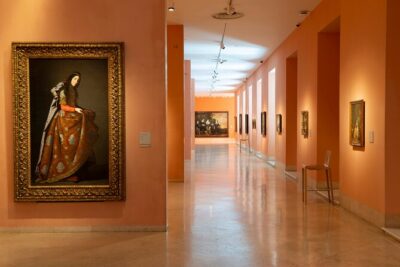
Museo Nacional Thyssen-Bornemisza with Skip the line ticket
Read our review →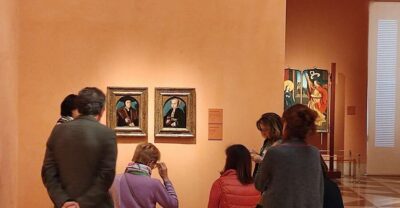
Thyssen Museum Guided Tour with Skip-the-Line Entry
Read our review →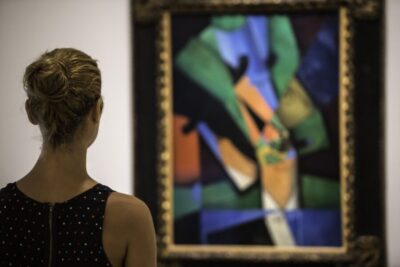
Thyssen-Bornemisza Museum Guided Tour & Entry Ticket
Read our review →

Browse the lists this tour appears in