
Reviewed · MADRID WALKING TOURS
Madrid: Hidden Gems and Secrets Small Group Walking Tour
Madrid’s old center is a history book you can walk through. This tour traces the city from its Muslim beginnings to royal Madrid, moving through medieval lanes, old walls, palace squares, and streets still known for traditional food. You’ll see famous sights from a less familiar angle, including the Royal Palace, Almudena Cathedral, and Mercado de San Miguel.
I like the small group of no more than 10 and the way the route connects big landmarks with overlooked corners such as Plaza de la Paja, Calle del Codo, and the old Muslim wall. I also like the human touches: a stop for nuns’ cookies and stories about how Galileo helped make a royal statue possible. The main concern is timing. The planned 2.5 hours may not always hold, so leave extra room after the walk.
Key points to know before booking
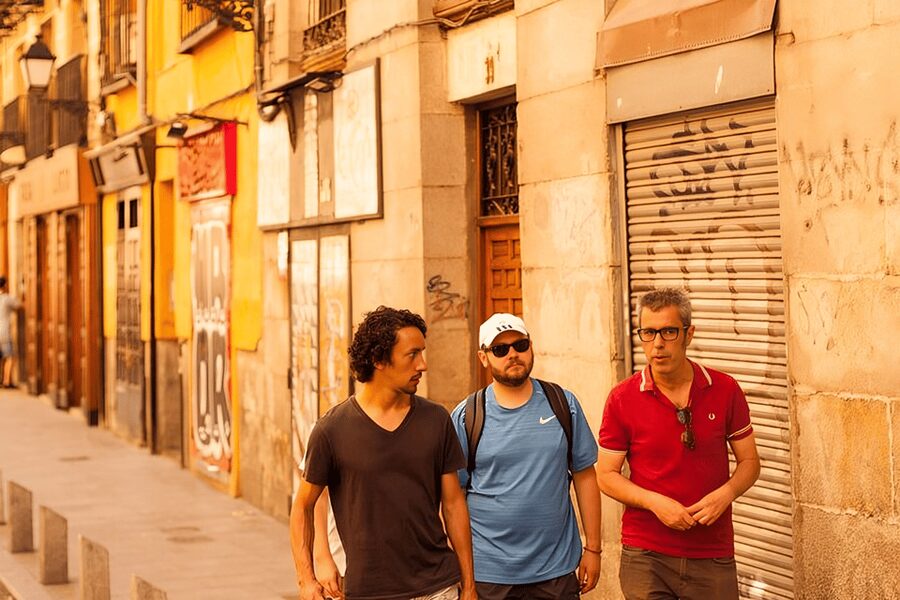
- Medieval Madrid in one walk: Follow the old center from Puerta Cerrada through La Latina, Plaza de la Villa, and the former city gates.
- History with unusual details: Hear about Muslim Madrid, the Habsburgs, the Bourbons, Napoleon, the Inquisition, and Galileo’s role in a royal monument.
- A food stop with character: Visit the Monasterio del Corpus Christi, where you can try cookies made by the nuns, then pass through Mercado de San Miguel.
- English and small-group format: The tour is led in English and limited to 10 participants, giving the guide room to explain details and answer questions.
- Bring sensible gear: Wear comfortable shoes, carry water, and bring a camera. Much of the experience is on foot over historic streets.
- Allow extra time: It is advertised at 2.5 hours, but one recorded experience took about an hour longer than expected.
Starting at Puerta Cerrada, where Madrid began
The meeting point is Plaza de Puerta Cerrada, about two minutes from Plaza Mayor. Look for the large cross in the center of the square, in front of Cafestic. The square sits at the end of Cuchilleros, between Lartoneros and Tintoreros.
The information also lists La Vacuna Bar as the starting and finishing location, so check the exact meeting instructions when you reserve. The practical point is simple: arrive early and confirm the spot rather than wandering around Plaza Mayor at the last minute.
Puerta Cerrada was once an entrance to medieval Madrid. That makes it a fitting place to begin, since the walk is less about ticking off isolated sights and more about following the city’s growth through different periods.
Your English-speaking guide sets the scene with Madrid’s earliest development. The city began as a ninth-century fort under Muslim rule and later became the capital of a far-reaching empire. From there, the route shows how power, religion, art, and urban planning changed the shape of the center.
More Madrid Private Custom Tours:
- Madrid by Night: Tapas Crawl, Local Drinks & Hidden Gems
★ 5.0 · 327 reviews - Madrid Highlights and Hidden Gems Private Tour with a Guide
★ 5.0 · 269 reviews - Madrid: Private Customized Walking Tour with a Local Host
★ 4.4 · 160 reviews
La Latina and the old medieval city
One of the early areas is La Latina, the heart of medieval Madrid. The neighborhood is particularly useful for understanding the city before its grand royal avenues and monumental squares appeared.
You’ll pass places tied to the palace used by Isabel la Católica and Charles V. These names can sound remote in a standard sightseeing talk, but here they help explain how Madrid shifted from a modest fortified settlement into a center of royal power.
The walk then reaches Plaza de la Villa, one of the most rewarding architectural stops. Three buildings here show different chapters of Madrid’s design: the Mudejar Casa Lujanes, the Plateresque Palacio Cisneros, and the Habsburg Casa de la Villa.
This is where the tour’s approach works well. Instead of treating architecture as decoration, the guide uses the buildings to show political and cultural change. Mudejar design reflects the influence of Islamic Spain, Plateresque style brings a more ornate Renaissance touch, and the Habsburg building points to the period when Madrid became the center of a global monarchy.
Royal power beside everyday Madrid
The Royal Palace is one of the route’s major sights. With 3,418 rooms, it is described as Europe’s largest royal palace. The walk does not present itself as an interior palace visit, so you should think of this stop as an exterior and historical introduction rather than a palace admission tour.
That distinction matters. If you want to see the royal rooms, you’ll need a separate ticket and more time. If you want the palace placed into the story of Madrid, this stop gives useful context without turning the whole outing into a formal museum visit.
Nearby, the route includes Plaza de Oriente and its statues of former Spanish kings. The square was created under Napoleon, adding another layer to Madrid’s complicated political story. You’ll learn how French rule reshaped the urban center and why the square feels different from the tighter medieval streets.
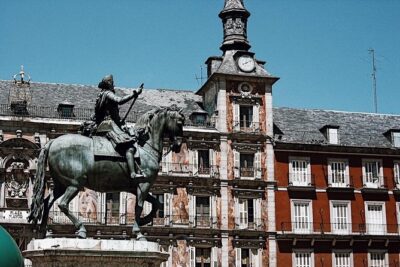
The Monument to Felipe IV brings a more surprising story. The guide explains how Galileo Galilei helped make the statue possible, a fine example of the kind of small, unexpected detail that can make a familiar monument memorable.
A cathedral, an old wall, and a garden
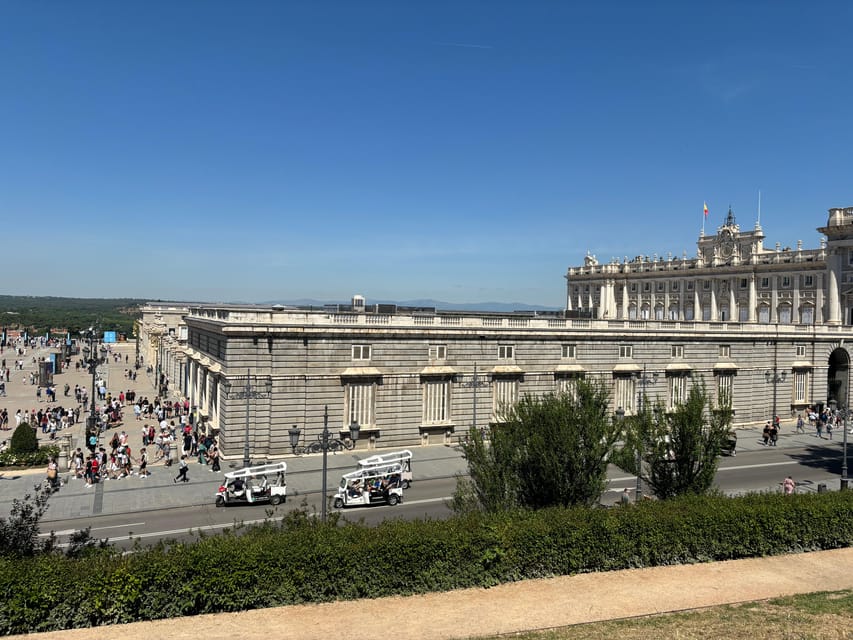
Calle de Bailén provides one of the route’s scenic moments, with its viaduct and tragic past. The walk then moves toward Parque Emir Mohamed I, where you can see part of the old Muslim wall.
This is one of the strongest parts of the route for anyone who wants to understand Madrid before the royal court. The wall is a physical reminder that the city did not begin with Bourbon palaces or grand Catholic monuments. Its story starts much earlier, and the tour keeps returning to that fact.
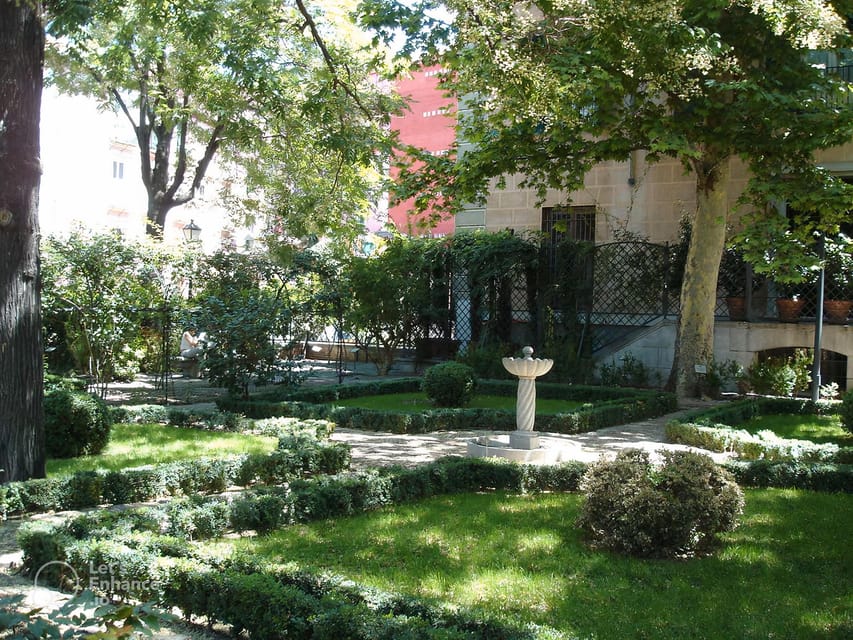
The nearby Jardín del Príncipe de Anglona offers a change of pace. This late-eighteenth-century garden is a quieter historic setting than the main squares. You may especially appreciate the contrast after walking through narrow lanes and busy central streets.
The Catedral de Santa María la Real de la Almudena provides another major landmark. Madrid’s cathedral is relatively recent compared with the medieval churches found in other Spanish cities, and that makes it useful for understanding the city’s unusual timeline. It is an important building, but not an ancient one.
More Madrid Walking Tours:
- Madrid Walking Tour from Puerta del Sol to Retiro Park
★ 5.0 · 2,285 reviews - Madrid Old Town & Royal Palace Walking Tour Skip the Line Ticket
★ 4.5 · 1,829 reviews - Madrid: Spanish Inquisition and Legends Evening Walking Tour
★ 4.7 · 1,396 reviews - Madrid: Welcome to Madrid Guided Walking Tour
★ 4.9 · 984 reviews
Inquisition squares and the stories behind them
Plaza de la Cruz Verde carries a darker past. It was associated with trials held during the Inquisition, so the square gives the walk a more serious turn. Madrid’s story is not only palaces, artists, food, and royal ceremony. It also includes fear, punishment, and the difficult side of religious power.
The route later passes Plaza de los Carros, once the taxi area of medieval Madrid. That detail gives you a glimpse of how people and goods moved around the old city before modern streets and transport.
Nearby, the Museo de San Isidro focuses on Madrid’s early history. The walk does not include a museum visit, but seeing it from the outside and hearing its role in the city’s story can help you decide if it deserves a separate visit.
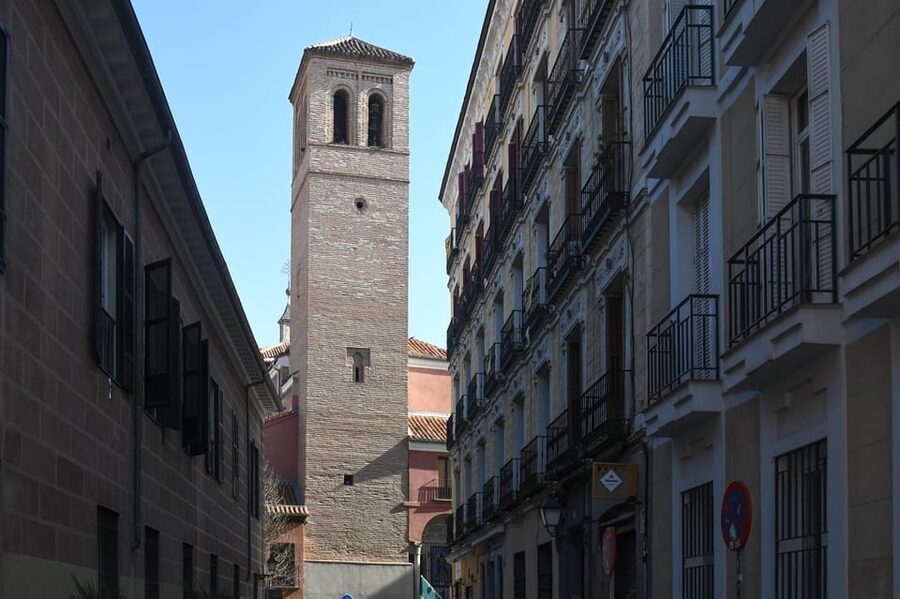
At Iglesia de San Pedro el Viejo, you’ll see a Mudejar tower dating from the fourteenth century. It is identified as the oldest building in Madrid, making it one of the most important stops for architecture lovers. The contrast between this modest tower and the enormous Royal Palace tells you a great deal about Madrid’s transformation.
Cookies, tapas, and Cava Baja
The Monasterio del Corpus Christi adds a distinctly local touch. You can try cookies made by the nuns, an appealing break from the usual monument-heavy walking tour. This is also a reminder that historic Madrid is not just something to look at. It still has food traditions connected to religious houses and neighborhood life.
The route also passes Mercado de San Miguel, one of the city’s best-known places for tapas. It is popular and can feel more polished than a traditional neighborhood market, but it remains a useful stop for understanding Madrid’s food culture.
Do not expect a full meal to be included. The tour price covers fees and taxes, but food purchases are not listed as included. Carry some money or a payment card if you want cookies or tapas along the way.
Calle de la Cava Baja is another important food stop, even if you do not eat during the tour. It is known for traditional restaurants and gives you a good address for a later meal. I would note the places that interest you, then return after the walk when you can sit down without trying to keep up with the group.
Smaller squares that reward close attention
Some of the best stops are not the grand ones. Plaza de Ramales comes with an explanation of Napoleon’s role in shaping Madrid’s urban center. That is a good example of how the tour links a quiet square to a major political change.
Plaza de la Paja offers another look at medieval Madrid. Its name and setting belong to the older city, before broad royal planning changed the center. The route also includes the Church of St. Nicholas of the Servitas, whose tower is identified as the oldest building in Madrid.
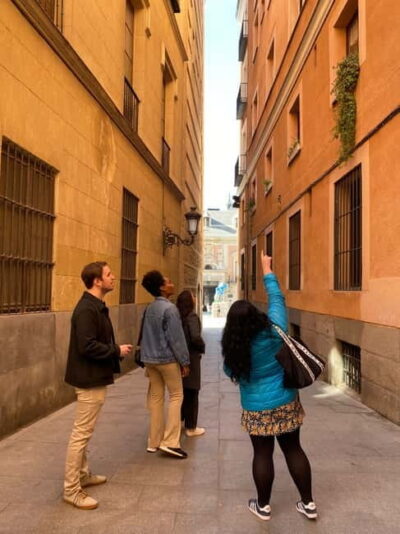
Calle del Codo is a narrow historic lane near Plaza de la Villa. It is the kind of place that is easy to pass without understanding what you are seeing. With a guide, the street becomes part of the larger story of medieval Madrid’s entrances, defenses, neighborhoods, and public spaces.
The tour finishes at Iglesia de San Pedro el Viejo and returns to the meeting point. Since the itinerary includes many landmarks packed into a small area, the walk can feel full rather than leisurely. You should be ready for frequent stops, explanations, and photo breaks.
What the $31 price really gets you
At $31 per person, the value rests mainly in the guide’s interpretation. Madrid’s old center is walkable on your own, but the meaning of the Muslim wall, the architectural styles at Plaza de la Villa, the Inquisition square, and the Galileo story is easy to miss without context.
The price includes all fees and taxes. It does not list palace admission, museum admission, food, or drinks, so budget separately for anything you choose to buy or visit inside.
A private guide would give you more control, but this small group keeps the cost reasonable while limiting the number of people to 10. That is a useful middle ground. You get more personal attention than on a large city tour without paying a private-tour rate.
The rating is 4.6 from 10 reviews, which suggests a generally strong response but not a large sample. One specific warning is worth taking seriously: the walk took about an hour longer than expected for one person. The advertised duration is 2.5 hours, so avoid scheduling a train, museum entry, lunch reservation, or other fixed plan immediately afterward.
Comfort, access, and practical preparation
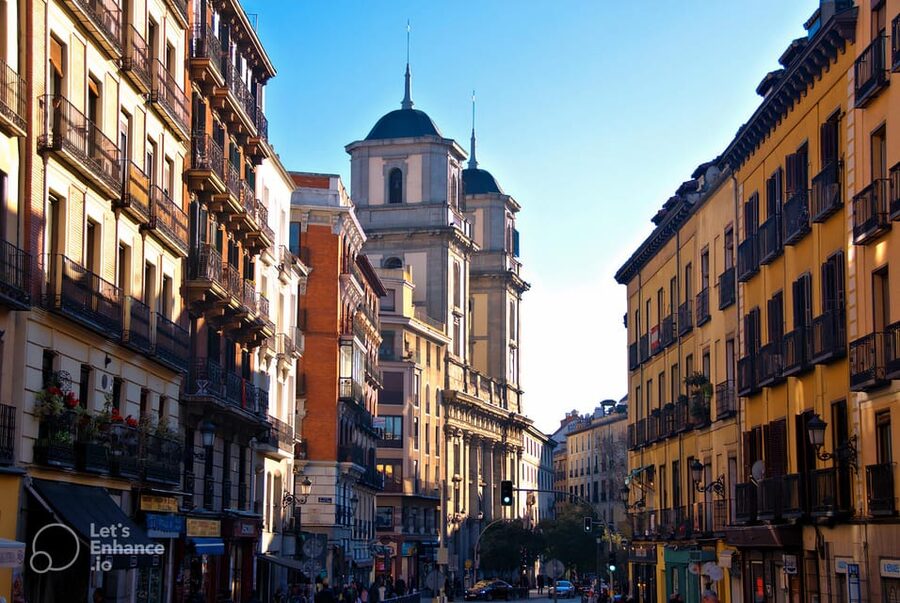
Wear comfortable shoes. The tour covers historic streets and several neighborhoods on foot, and the route includes enough stops that poor footwear could become a problem before the final church.
Bring water and a camera. The route includes scenic views, old buildings, gardens, palace squares, and fragments of the medieval city wall. You will have plenty to photograph, but the value of the camera is secondary to being able to listen while walking.
The activity information says wheelchair accessible in one place, yet it also says not suitable for wheelchair users elsewhere. That is a clear contradiction. If you use a wheelchair, contact the provider before booking and ask about the exact route, surfaces, steps, and access at each stop.
The tour is offered in English. It is a good fit if you want history explained as you walk rather than read from plaques. The small size should also make it easier to hear the guide in busy areas, though the route’s timing may still shift.
Who will enjoy this Madrid walk
I would choose this tour if you are visiting Madrid for the first time and want a strong orientation to the old center. It covers major sights but keeps returning to side streets, old squares, walls, churches, and local food addresses.
It also suits repeat visitors who have already seen Plaza Mayor and the Royal Palace but want more context around them. The route’s best moments come from connections: Muslim Madrid beside royal Madrid, a medieval tower near a modern cathedral, and a food street that grew out of the old city.
History and architecture fans will get the most from it. The tour moves quickly through several periods, including Muslim rule, the Habsburg era, the Bourbons, Napoleon’s occupation, the Inquisition, the Civil War, and Madrid’s role in governing large parts of the world.
I would be more cautious if your schedule is tight or you prefer a slow walk with long stops inside museums. This is a packed city walk, not a palace tour, food tour, or full museum experience.
Should you book it?
Book this walk if you want Madrid’s center explained through unusual details rather than only its famous monuments. The nuns’ cookies, Galileo’s connection to Felipe IV’s statue, the Muslim wall, the old taxi square, and the three architectural styles at Plaza de la Villa give the route real character.
At $31, it is a fair buy for an English-speaking small group, especially early in your stay when you can use the restaurant and market suggestions later. Just confirm the meeting point, allow at least an extra hour beyond the advertised time, and resolve the wheelchair-access question before booking. For a compact introduction to old Madrid, this is a practical and interesting choice.
FAQ
Where does the tour meet?
Meet in Plaza de Puerta Cerrada, about two minutes from Plaza Mayor. The meeting spot is by the large cross in front of Cafestic, at the end of Cuchilleros between Lartoneros and Tintoreros.
Where does the tour finish?
The walk returns to the meeting point. The activity information also lists La Vacuna Bar as the starting and finishing location, so check the final meeting instructions when booking.
How long does the tour last?
The advertised duration is 2.5 hours. One recorded experience took about an hour longer, so leave extra time after the scheduled finish.
What language is the tour in?
The live tour guide conducts the experience in English.
How large is the group?
The group is limited to 10 participants.
What does the price include?
The $31 price includes all fees and taxes. Food, drinks, and admissions to sights are not listed as included.
What should I bring?
Bring comfortable shoes, water, and a camera.
Is the tour suitable for wheelchair users?
The activity details are contradictory, listing both wheelchair accessibility and that it is not suitable for wheelchair users. Contact the provider before booking to confirm the route and access conditions.
Just added around Madrid
- Visit the National Archaeological Museum in Madrid★ 4.4 · 6 reviews
- From Madrid: Parque Warner Beach Water Park & Transport★ 3.9 · 14 reviews
- Madrid Wine Tasting, Flamenco Class and Pub Crawl★ 4.5 · 6 reviews
- Virtual Reality Experience Fun And Tickets & Imageen★ 5.0 · 12 reviews
- Visit to the Prado Museum★ 4.9 · 6 reviews
- Tuk Tuk Tour with Wine Test in Madrid★ 3.8 · 6 reviews
- Tuktuk historical tour of Madrid 1 Hr in a fun and original way★ 3.7 · 3 reviews
- Prado Museum VIP tour with an art Expert, tickets included★ 5.0 · 11 reviews
Madrid Walking Tours, compared.
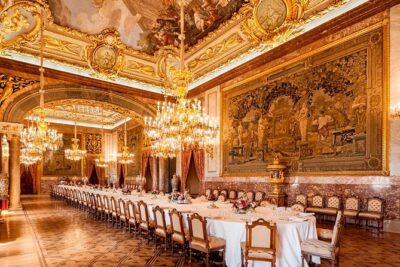
Madrid Old Town & Royal Palace Walking Tour Skip the Line Ticket
Read our review →
Spanish Inquisition and Legends Evening Walking Tour
Read our review →
6-Hour Day Trip to Toledo with Guided Walking Tour
Read our review →
Madrid Old City Guided Exclusive Guided Walking Tour
Read our review →
Browse the lists this tour appears in