
Reviewed · WINE TOURS
Madrid: half day wine region tour
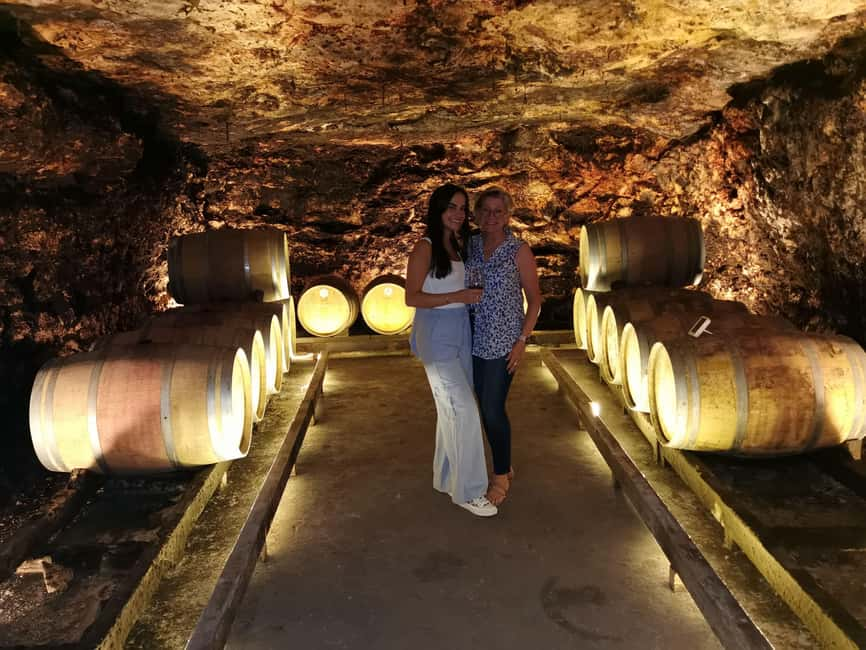
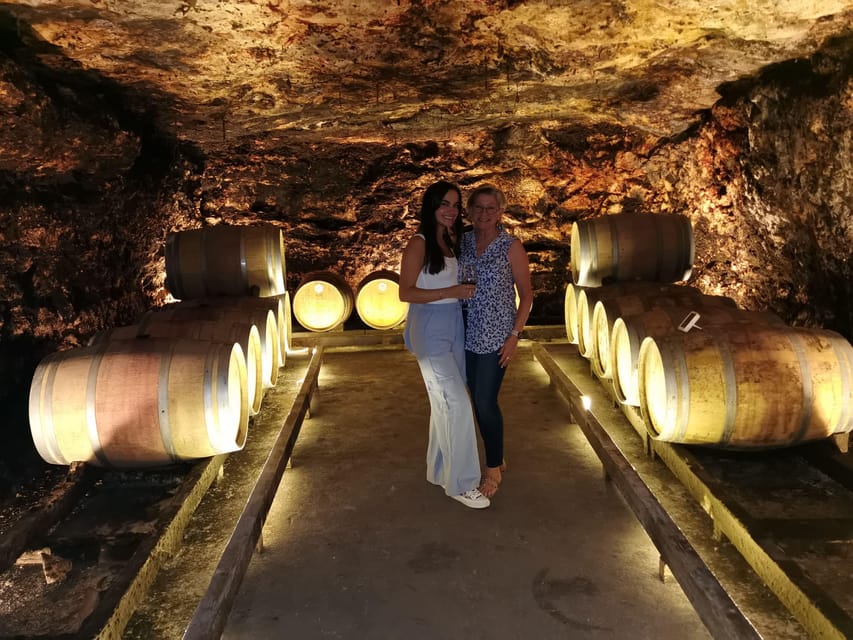
Madrid’s wine country begins surprisingly close to the city. In about 40 minutes, you leave the traffic behind for vineyards, olive groves, cereal fields, and old Castilian villages such as Chinchón and Colmenar de Oreja. The day centers on two family-scale wineries, where winemakers and cellar masters present their own bottles rather than offering a generic tasting-room stop.
I like the small group limit of eight and the guide’s winemaking background. I also like the mix of wine, village scenery, and tapas-style appetizers, so the day feels like a regional outing rather than six hours spent sitting at a bar. The main drawback is the fixed meeting point near Atocha, since hotel pickup and drop-off are not included.
Key points to know before booking
- Two wineries, at least six wines: Expect a mix of reds, whites, rosés, and sparklings from the Vinos de Madrid denomination.
- A guide with wine training: The English and Spanish speaking guide is trained as a winemaker and certified as a wine expert. Enrique is one guide associated with the experience.
- Small-group transport: A Mercedes van carries no more than eight participants, making conversation and questions easier.
- Medieval villages on the route: Chinchón and Colmenar de Oreja add old churches, plazas, and traditional architecture to the wine day.
- A genuine countryside setting: Vineyards and olive groves are mixed with broad cereal fields, not hidden behind a polished resort-style setting.
- A full six-hour outing: The schedule includes two substantial winery visits, each about 105 minutes, plus driving and a village or scenic stop.
Why Madrid’s wine country makes a good half-day outing
Madrid is not usually the first Spanish city people associate with wine. That is part of the appeal. The Community of Madrid has its own Denominación de Origen, known as Vinos de Madrid, and local producers have been making wines with national and international reach for more than 30 years.
The experience gives you a look at a less visited side of the region without sending you far from the capital. The countryside is broad and dry, with vineyards, olive trees, and cereal fields broken up by village towers and old stone buildings. You get a clearer sense of central Spain here than you do from another afternoon among Madrid’s museums and grand boulevards.
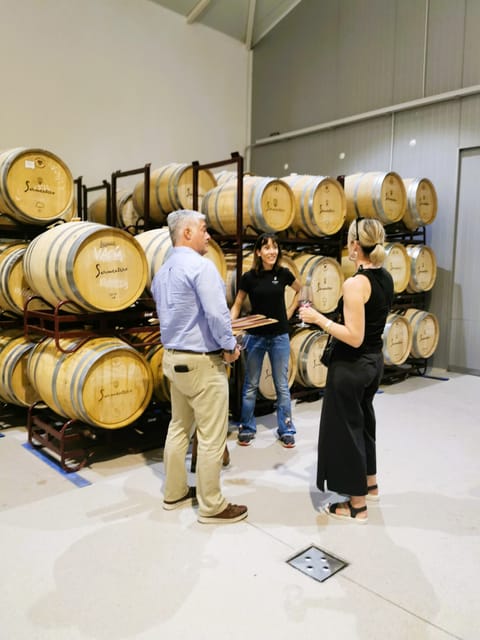
The wine itself also gives the trip a useful shape. You may taste familiar grapes such as Tempranillo, Cabernet Sauvignon, Garnacha, and Syrah, along with Malvar, a white grape associated with the area. Some wines are made for easy drinking, while others gain weight and complexity from time in oak barrels.
That range matters if you are still learning what Spanish wine you like. Instead of hearing a long lecture about one bottle, you can compare styles across several wines and ask how grape, soil, climate, and barrel aging affect the result.
More Madrid Wine Tastings and Winery Tours:
- Toledo Tour & Vineyard Walk with Wine Tasting from Madrid
★ 5.0 · 2,546 reviews - Madrid: Tapas & Wine Tasting Tour with Local Guide
★ 4.8 · 2,171 reviews - Madrid Tapas & Wine Tour with Rooftop Views and Local Guide
★ 5.0 · 2,047 reviews
Starting near Atocha at Granier
The meeting point is Granier, a small coffee and bakery shop near the Menéndez Pelayo metro station. If you are arriving by train, the location is practical: Menéndez Pelayo is only one stop from Atocha Station on Line 1.
You should allow extra time to find the bakery and settle in before departure. The tour does not include pickup from your hotel, so the first part of your morning or afternoon involves getting to the meeting point on your own.
This arrangement keeps the price lower than a private hotel-to-hotel excursion, but it is less convenient if you are staying far from central Madrid. Check the starting time carefully and wear comfortable clothes and shoes. The day includes driving, winery visits, and walking around a traditional village.
The 45-minute ride into Castilian countryside
Once everyone is aboard the Mercedes van, the city gives way to open farmland. The drive takes about 45 minutes, though the total distance can vary with the route and traffic.
This is not a dramatic mountain road or a grand scenic railway journey. The pleasure comes from watching Madrid thin out into working countryside. Vineyards and olive groves appear among cereal fields, and villages with old churches and plazas provide small points of focus along the way.
The van is an important part of the experience. With a maximum of eight people, it is easier to ask the guide about the vineyards, wine regulations, or the villages on the route. You are not being moved around in a large coach where the countryside becomes background scenery.
The guide speaks English and Spanish and has training as a winemaker, which should make the technical parts easier to follow. Enrique has been praised for lively explanations and a good sense of humor. That combination is useful when wine terminology starts to pile up.
First winery: a 105-minute look at local production
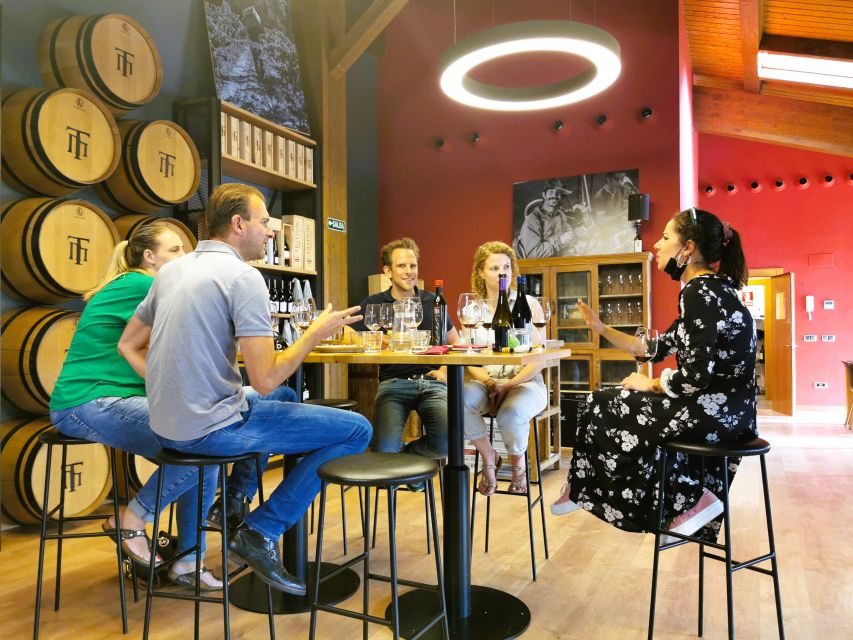
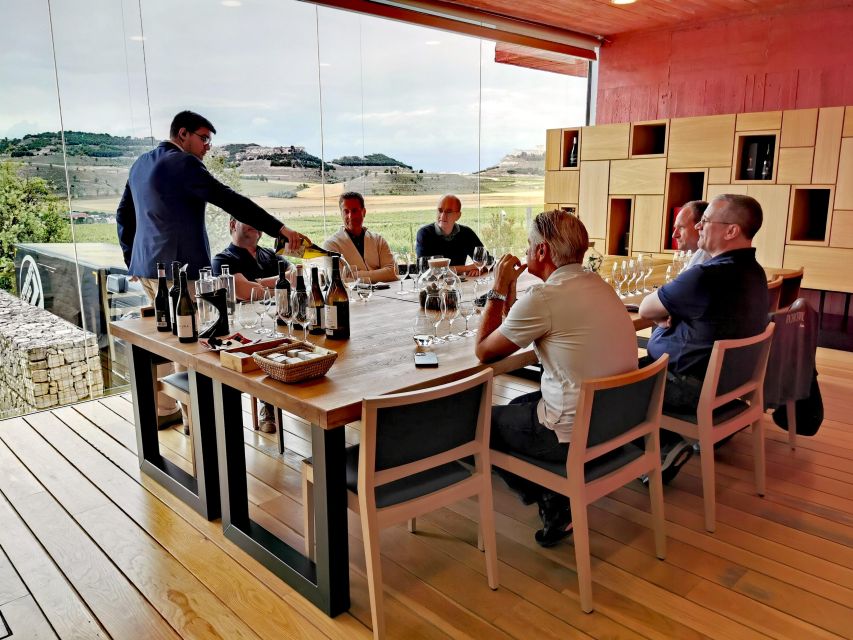
The first winery visit lasts about 105 minutes, giving you time for more than a quick pour and a photograph. The focus is on the winery’s own wines, with tasting led by the owners or cellar staff.
The family-scale setting is one of the strongest reasons to choose this tour. You are visiting producers that still operate on a personal scale, rather than a large commercial estate designed mainly for group visits. The exact buildings and production methods can differ, but you can expect the wine to be explained by people closely involved in making it.
At least six wines are included across the two wineries. The tasting can include reds, whites, rosés, and sparklings, which gives you a broader sample of the denomination than a red-wine-only visit.
The appetizers matter, too. They help balance the alcohol and give the tasting a local food element. You should not treat the included snacks as a full lunch, but the combination of wine and tapas-style bites can leave you comfortably fed, especially since each winery stop lasts well over an hour.
Pay attention to the contrast between young, easy-drinking wines and bottles that have spent time in oak. Tempranillo and Garnacha can show different sides of central Spain, while Cabernet Sauvignon and Syrah may give the tasting a more familiar international point of comparison. Malvar adds a local white-wine angle.
More Madrid Tours:
- Madrid: Tour Bernabéu Entry Ticket
★ 4.5 · 21,573 reviews - Madrid: Prado Museum Entry Ticket
★ 4.6 · 17,509 reviews - Madrid: “Emociones” Live Flamenco Performance
★ 4.8 · 12,866 reviews - Madrid: Panoramic Route City Tour
★ 4.1 · 12,259 reviews
Medieval villages and a short scenic stop
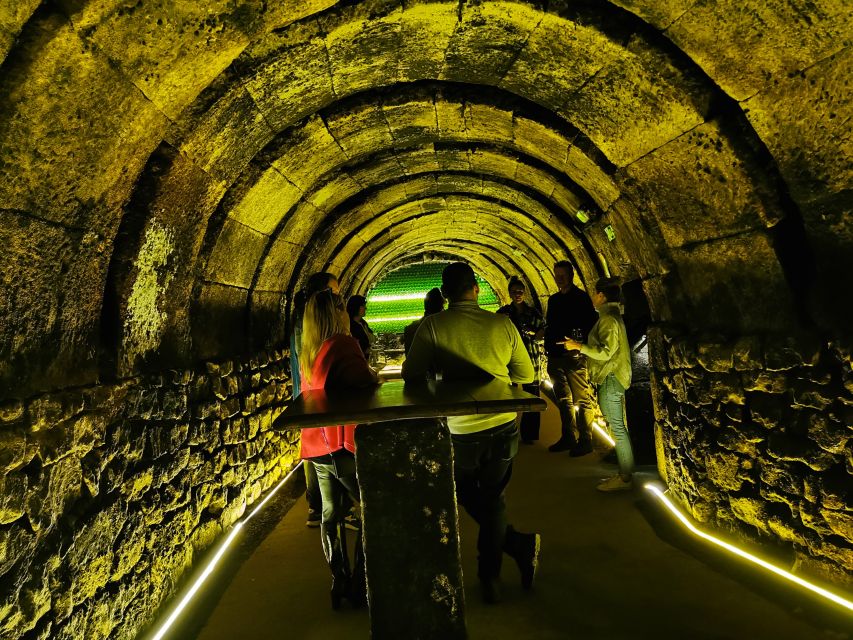
Between the two wineries, the route includes about 30 minutes for a traditional village and scenic views. Chinchón or Colmenar de Oreja may be part of the route, with the exact stop depending on the day’s plan.
These villages help explain the setting around the vineyards. You are not simply visiting isolated tasting rooms. You are seeing the plazas, churches, and old architecture of communities that grew up in the same agricultural region.
Chinchón is particularly known for its traditional central plaza, while Colmenar de Oreja has a long connection with agriculture, stonework, and wine. The supplied schedule does not promise a full guided tour of either village, so think of this as a short cultural and scenic break rather than a separate sightseeing excursion.
Thirty minutes passes quickly. You may have enough time for photographs, a short walk, and a look at the main square, but not for a museum visit or an extended exploration. If old Spanish villages interest you, this part adds real value. If your main goal is an in-depth winery tour, the stop may feel like a brief interruption.
Second winery: compare the bottles and the setting
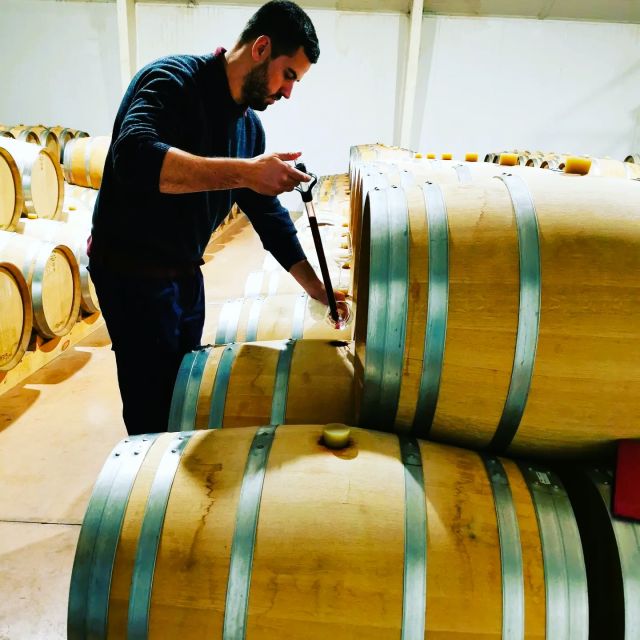
The second winery visit also lasts about 105 minutes. By this point, you will have a basis for comparison. You can think about how the second producer handles the same broad regional conditions and how the wines differ in grape choice, aging, and style.
One especially well-liked stop is Jesús Díaz e Hijos. The family connection is central to its appeal, and the personal presentation gives the visit a sense of place. You are not just tasting a label that could have been poured anywhere in Spain. You are hearing about wines made in this part of Madrid.
The second tasting may be where the day becomes most useful for your own buying decisions. A wine that seemed too young at the first stop may make more sense after you taste an oak-aged version elsewhere. A crisp white or sparkling wine can also reset your palate after several reds.
Ask the guide to help you compare the wines rather than simply listing their tasting notes. Which bottles are intended for everyday drinking? Which are built for aging? What does the winemaker want the wine to express? A guide with production experience can often connect those questions to what you have in the glass.
What the six-hour timing really feels like
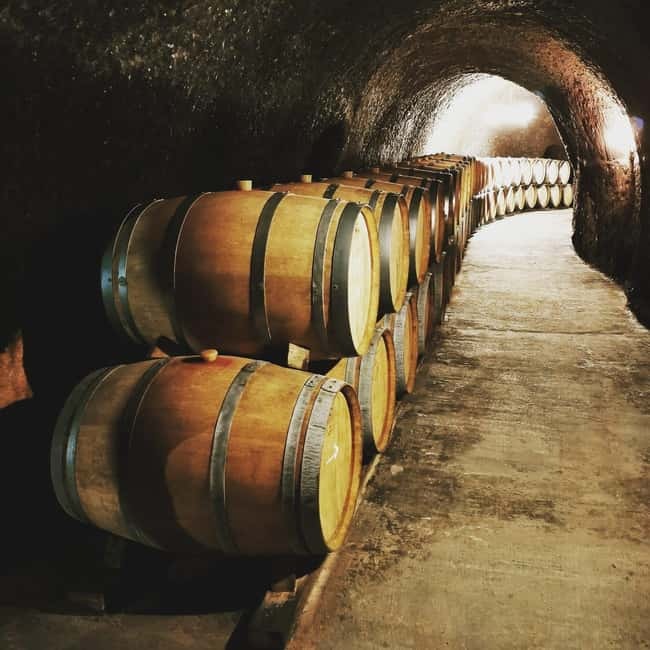
The tour lasts six hours from the central meeting point back to Granier. The timing is long enough to make the journey worthwhile, but it is not a rushed morning tasting squeezed between city attractions.
A rough outline looks like this:
- About 45 minutes by van to the wine country
- About 105 minutes at the first winery
- About 30 minutes in a village or at a scenic stop
- About 105 minutes at the second winery
- Return drive to Granier
The schedule leaves some flexibility for roads, winery operations, and the pace of the group. You should not book a museum ticket or train connection too close to the stated return time.
The day also involves alcohol, so it is better suited to a relaxed schedule. You can enjoy the tasting without worrying about driving, since transport is provided, but you should still eat something before departure and bring water.
Is $182 a fair price?
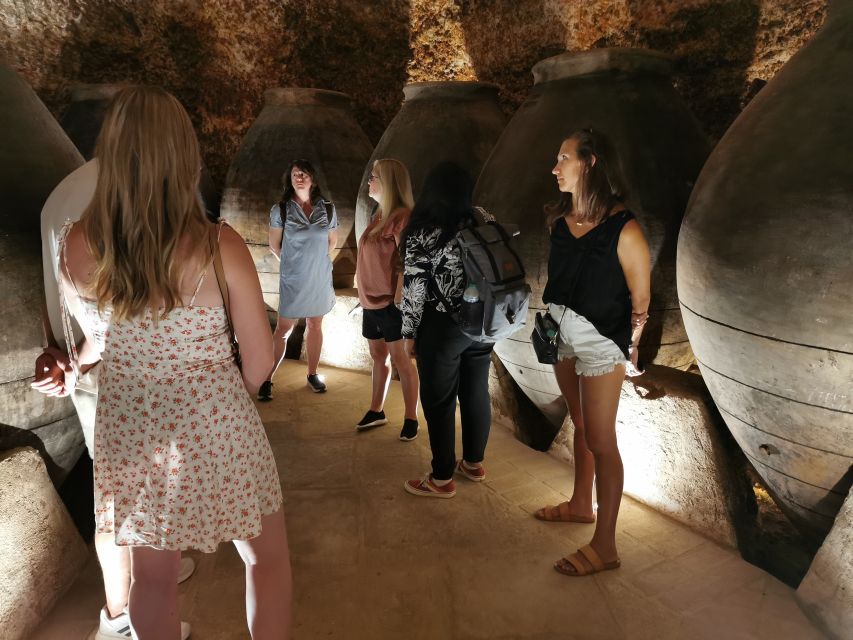
At $182 per person, this is not a bargain-priced city excursion. It is a specialist outing that includes transportation in a Mercedes van, a bilingual wine guide, two winery visits, at least six wines, and appetizers.
The strongest value comes from the small group and specialist guide. Hiring a private car to reach two wineries would cost more, while a large coach tour would likely offer less personal contact. The guide’s winemaking training also gives the experience more depth than a standard sightseeing trip with a short tasting added at the end.
The price makes less sense if you only want to sample a couple of Spanish wines. Madrid has plenty of wine bars where you can taste locally and spend much less. This tour earns its price through access to rural producers, village scenery, and the time spent at each winery.
It is also a good fit if you value convenience but do not need hotel pickup. The central meeting point keeps the arrangement simple, though you must handle your own transport to and from Granier.
Who will enjoy this outing most
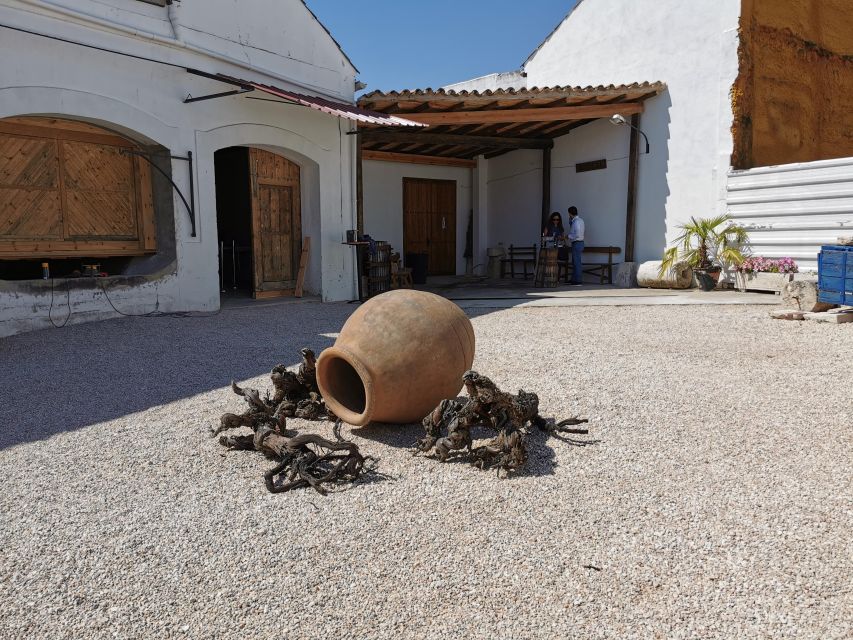
I would recommend it to adults who enjoy wine, regional food, and quiet countryside. It suits couples especially well, but the eight-person limit can work for solo visitors who like meeting a few fellow wine enthusiasts.
You do not need advanced wine knowledge. The tasting includes several grape varieties and wine styles, so beginners have plenty to compare. At the same time, someone who already knows Spanish wine can ask more detailed questions about barrel aging, local grapes, and the Vinos de Madrid denomination.
The tour is not suitable for children under 16 or people over 95. It is also not the best choice if you want a full day of village sightseeing, a large meal, or a very flexible schedule. The route is planned around the wineries, with the village stop serving as a short addition.
Because the trip runs rain or shine, check the forecast and dress sensibly. Comfortable shoes are important, and clothing that works for both a van ride and a winery visit will serve you well.
Practical booking advice
You can cancel up to 24 hours before departure for a full refund, and the reserve-now, pay-later option gives you some flexibility while finalizing your Madrid plans.
Confirm the departure time and meeting point before you leave your accommodation. Granier is near Menéndez Pelayo station on Line 1, and the short distance from Atocha makes it a sensible starting point for visitors arriving by train.
The tour is offered in English and Spanish. If you have questions about language, wine preferences, or dietary needs, it is sensible to raise them when booking, since the included food is described only as accompanying appetizers.
The small group is a real advantage, so avoid assuming that an empty-looking date will remain available. The experience is limited to eight participants, and the best atmosphere comes when everyone is willing to taste, ask questions, and enjoy the drive through the countryside.
Should you book the Madrid wine region tour?
Book it if you want to see a side of Madrid that most city itineraries skip. The combination of two personal winery visits, at least six wines, old villages, olive groves, and a trained bilingual guide gives you a fuller regional experience than a tasting room in central Madrid.
I would be more cautious if $182 feels high for a half-day outing or if you want hotel pickup. The meeting point is easy from Atocha, but the logistics are yours. You should also choose something else if you prefer a large meal, a long village tour, or a highly flexible private itinerary.
For wine drinkers who want context rather than just a glass in front of them, this is a strong use of six hours. Enrique’s lively guiding style, the family-run wineries, and the stop at Jesús Díaz e Hijos add the personal touch that makes the price easier to justify.
FAQ
Where does the Madrid wine tour meet?
The meeting point is Granier, a small coffee and bakery shop near Menéndez Pelayo metro station.
How do I reach the meeting point by metro?
Take Line 1 to Menéndez Pelayo. The station is one stop from Atocha Train Station.
Is hotel pickup included?
No. You need to make your own way to Granier, and hotel drop-off is not included either.
How long does the experience last?
The tour lasts six hours, including the drives, two winery visits, and the village or scenic stop.
How many wineries will I visit?
You will visit two wineries within the Denominación de Origen Vinos de Madrid.
How many wines are included?
You will taste at least six wines, including reds, whites, rosés, and sparklings.
Is transportation provided during the tour?
Yes. Transportation is provided in a Mercedes van.
What languages are available?
The tour is offered in English and Spanish, with a bilingual live guide.
How large is the group?
The tour is limited to eight participants.
Can children join the tour?
Children under 16 are not permitted. The experience is also not suitable for people over 95 years old.
Just added around Madrid
- Visit the National Archaeological Museum in Madrid★ 4.4 · 6 reviews
- From Madrid: Parque Warner Beach Water Park & Transport★ 3.9 · 14 reviews
- Madrid Wine Tasting, Flamenco Class and Pub Crawl★ 4.5 · 6 reviews
- Virtual Reality Experience Fun And Tickets & Imageen★ 5.0 · 12 reviews
- Visit to the Prado Museum★ 4.9 · 6 reviews
- Tuk Tuk Tour with Wine Test in Madrid★ 3.8 · 6 reviews
- Tuktuk historical tour of Madrid 1 Hr in a fun and original way★ 3.7 · 3 reviews
- Prado Museum VIP tour with an art Expert, tickets included★ 5.0 · 11 reviews
Wine Tours, compared.
Madrid Tapas & Wine Tour with Rooftop Views and Local Guide
Read our review →
Paella Cooking Class in Madrid with Bottomless Wine Pairing
Read our review →
Madrid Historic Centre Food Tour with Authentic Tapas & Wines
Read our review →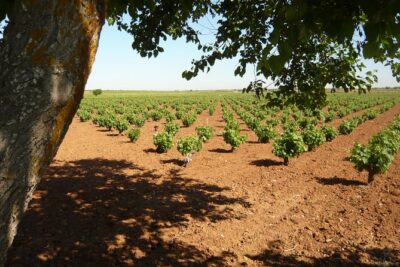
Madrid Countryside Wineries Guided Tour with Wine Tasting
Read our review →

Old Madrid Tapas and Fine Wine Small Group Tour
Read our review →
Taste of Spain: Tapas Cooking Class with Bottomless Wine Pairing
Read our review →Browse the lists this tour appears in