
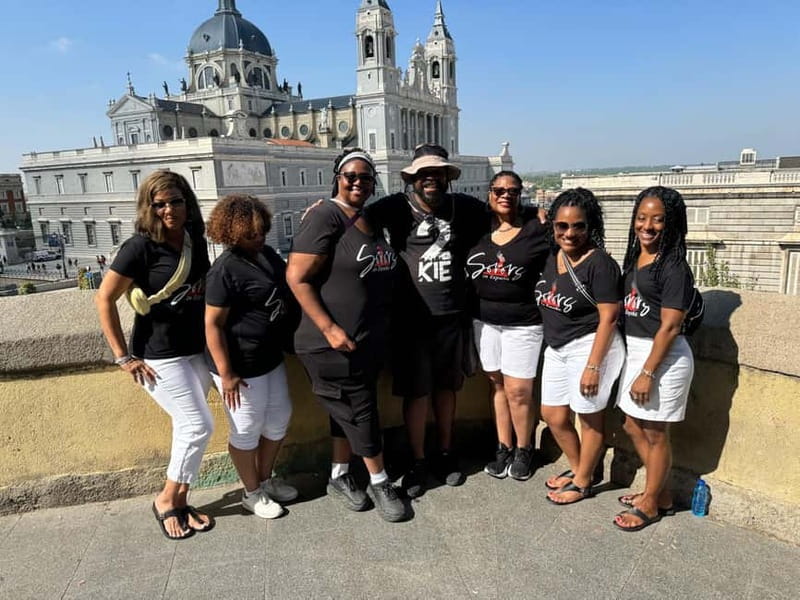
Reviewed · HISTORICAL TOURS
Black History Tour of Madrid: Heritage & Resistance
Madrid’s grandest sights carry a story that is easy to miss: African people helped shape the capital, yet their presence is often left out of the usual sightseeing script. This private two-hour walk brings that story into the open, linking slavery, resistance, culture, and the growth of the city.
I like the focus on Black history in Spain, and I like the small private-group format, which should make room for questions. The main drawback is that the tour stays outside at major landmarks, so you should not expect a palace or cathedral interior visit.
Key points at a glance
- A different Madrid story: Connects the city’s royal center with African heritage, slavery, and resistance.
- Starts at Plaza de Isabel II: Meet outside Starbucks by Ópera Metro, a simple point to find.
- Major landmarks with historical purpose: The Royal Palace and Almudena Cathedral serve as stops for photos, context, and guided commentary.
- Private two-hour format: Better suited to personal questions and focused discussion than a large group walk.
- English and Spanish guides: You can select the language that works best for your group.
- A useful price point: At $40 per person, the cost is reasonable if you want a focused history walk rather than a broad city tour.
Why Madrid’s Black history deserves its own walk
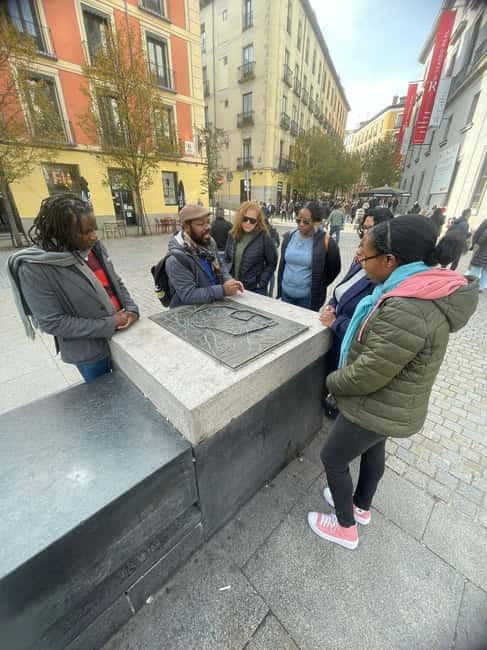
Many first-time visitors see Madrid through its palaces, churches, plazas, and royal avenues. This tour asks you to look at those same streets from another angle, tracing the African presence in the Iberian Peninsula and the role enslaved people played in the city’s development.
That change in viewpoint is the main reason to book. You are not simply checking off famous buildings. You are learning how power, trade, labor, and public space connected, and how the effects of that past can still be seen in Madrid.
The subject reaches beyond Madrid itself. Spain was the penultimate territory in the Atlantic World to end slavery definitively, so the tour places the capital within a larger European and Atlantic story. For anyone studying colonial history, Black identity in Europe, or the relationship between memory and public places, that wider frame gives the walk real purpose.
I also see value for people who already know Madrid’s central sights. The Royal Palace and Almudena Cathedral may be familiar from a standard sightseeing route, but the interpretation here is different. The buildings become markers in a story about people and systems that are often missing from the usual guidebook account.
More History Tours in Madrid:
- Madrid Essential: Historic Center, Plaza Mayor & Royal Palace
★ 5.0 · 6,416 reviews - Madrid Historical Tour with Local Guide in Eco Tuk Tuk Private
★ 5.0 · 876 reviews - Madrid Historic Centre Food Tour with Authentic Tapas & Wines
★ 5.0 · 814 reviews
Meeting at Plaza de Isabel II by Ópera Metro
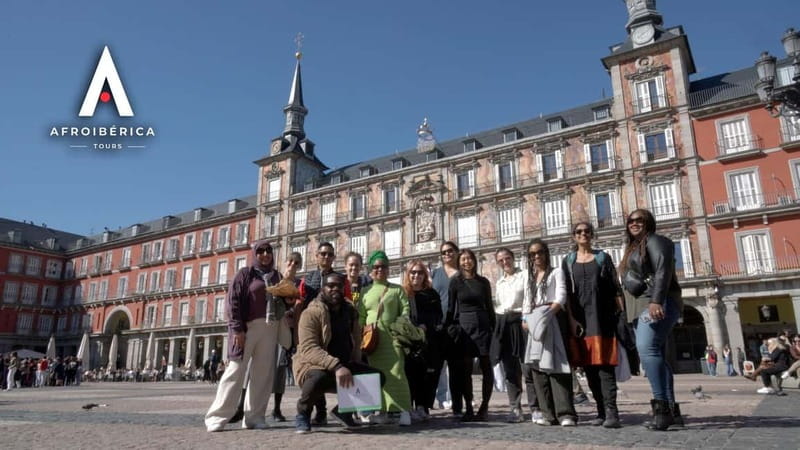
The walk begins at Plaza de Isabel II, outside Starbucks near Ópera Metro. This is a practical meeting point in central Madrid, and the metro reference should help you arrive without much guesswork.
Give yourself enough time to find the guide before the scheduled start. The tour is only two hours, so arriving late could mean missing the opening explanation, which is likely important for understanding the rest of the route.
Wear comfortable shoes. Madrid’s center is best covered on foot, and the supplied advice also calls for sunglasses, a sun hat, sunscreen, comfortable clothes, and a reusable water bottle. Bring a card or cash if you want to buy something before or after the walk, since food and drinks are not included.
The private format matters here. With your own group, you can ask direct questions about slavery, African heritage, resistance, and the way these stories are remembered in Spain. That is especially useful for educators, cultural groups, institutions, and families who want a discussion rather than a quick succession of facts.
At the Royal Palace: looking past the royal façade
The Royal Palace is the first major landmark on the route. The planned stop includes a photo stop and a safety briefing, with the guide using the setting to discuss the wider historical subject.
You should think of this as an exterior stop, not a palace tour. The information provided does not include admission inside the Royal Palace, and the two-hour schedule would not allow much time for a full interior visit alongside the other stops.
That is not necessarily a weakness. The palace gives the guide a strong place to discuss power, wealth, empire, and the people whose labor supported those systems. A famous royal building can look very different when you ask who benefited from its world and who was forced to support it.
The photo stop also gives the group a short pause in the route. Bring your camera if you want a record of the place, but keep your attention on the explanation. The value here is the connection between a well-known Madrid sight and a history that standard palace sightseeing may not address.
The tour details list a safety briefing at this stop, though the stated duration appears inconsistent with the two-hour length of the overall experience. I would treat the Royal Palace visit as a brief guided stop and confirm the exact timing when booking.
Almudena Cathedral and the religious side of the story
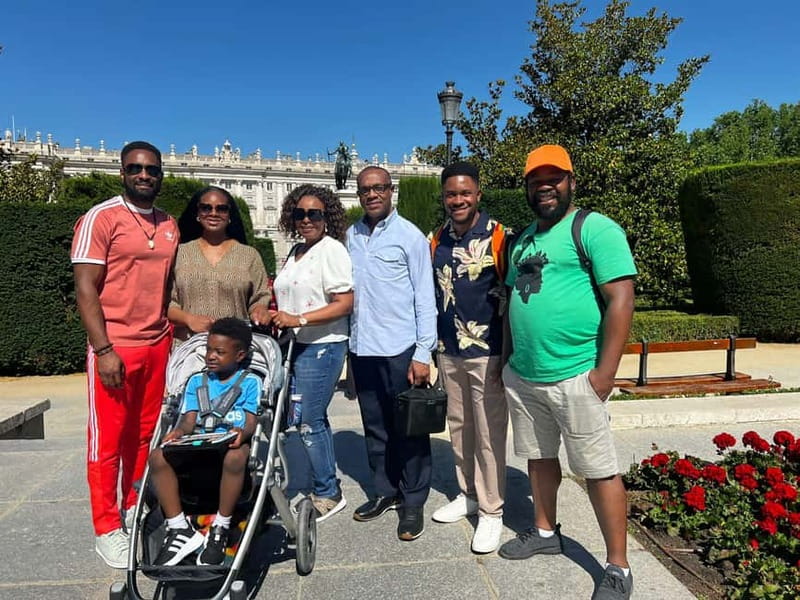
From the palace area, the walk continues to Almudena Cathedral. Here you get another photo stop, a guided visit, and a safety briefing.
Again, the description does not clearly promise entry into the cathedral. You should plan for a guided stop around the site rather than assume that admission or an extended interior visit is part of the price.
The cathedral adds a different setting to the tour. The Royal Palace points toward monarchy and state power, while a major church raises questions about religion, society, and the institutions that shaped public life. The guide can use the contrast between the two buildings to show how African history intersects with more than one part of Madrid’s past.
For me, this is where a focused guide matters most. A short walk can only cover so much, so the experience depends on selecting useful examples and explaining their connection clearly. A five-star assessment specifically praised Kwame’s tour as interesting and eye-opening, which suggests that the guide’s storytelling is a major part of the experience.
The cathedral stop is also a good place to ask questions. If you are visiting as an educator or with a cultural organization, you may want to discuss how the history is presented, what is remembered publicly, and what remains absent. The private format should make that kind of conversation easier than it would be on a crowded group excursion.
More Madrid Tours:
- Madrid: Tour Bernabéu Entry Ticket
★ 4.5 · 21,573 reviews - Madrid: Prado Museum Entry Ticket
★ 4.6 · 17,509 reviews - Madrid: “Emociones” Live Flamenco Performance
★ 4.8 · 12,866 reviews - Madrid: Panoramic Route City Tour
★ 4.1 · 12,259 reviews
Finishing near Puerta del Sol
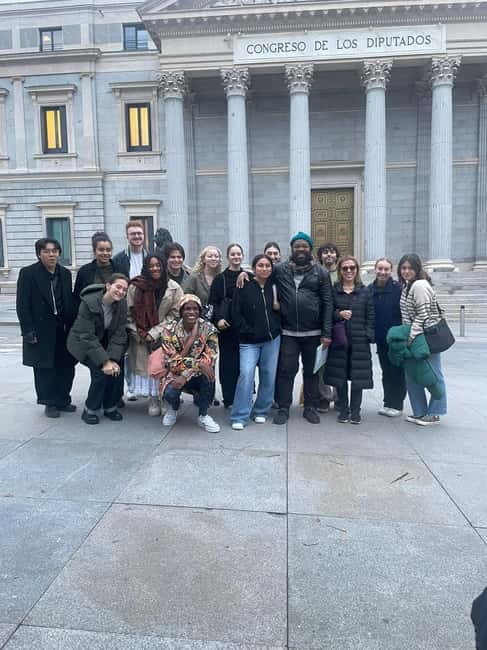
The route finishes at Puerta del Sol, one of Madrid’s central gathering places. This makes practical sense: you end close to transport, shops, cafés, and many other city sights.
Puerta del Sol is also a fitting place to finish a tour about public memory. You have moved through some of the capital’s most recognizable spaces and can continue exploring on your own with a different set of questions in mind.
The activity information gives two descriptions of the ending. It names Puerta del Sol as the finish, while also saying the activity ends back at the meeting point. Those locations may be intended as the same general central area, but I would confirm the precise drop-off point with Afroibérica Tours before setting up a tight afternoon plan.
Because the total duration is two hours, you can easily pair the walk with lunch, another museum, or an evening activity. Food and drinks are not included, so plan to stop separately if you need water or a meal.
What $40 buys you
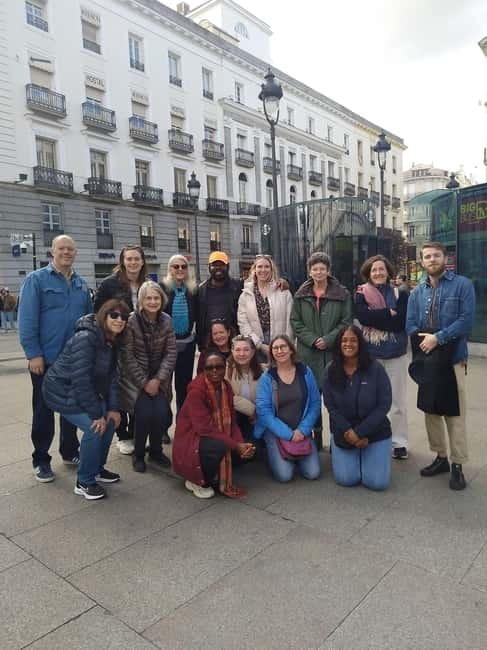
At $40 per person, this is not the cheapest way to walk around Madrid. You are paying for a private experience with a specific subject, a live guide, and a route built around interpretation rather than general orientation.
That price looks fair if you care about the topic and want the chance to ask questions. A private group can be especially useful for a school, university, nonprofit, family, or cultural organization. The guide can keep the conversation at a level that suits your group instead of delivering a fixed talk to strangers with different interests.
The value is less obvious if you only want a broad introduction to Madrid. This is not advertised as a general city walk covering every major sight, nor does it include food, drinks, museum tickets, or palace entry. If your priority is going inside the Royal Palace or cathedral, you will need separate tickets and more time.
The strongest reason to pay for this tour is its subject. The experience gives you a structured way to learn about Spain’s Black history in the places where the city’s public story was built. That is harder to get from a standard hop-on, hop-off route or an ordinary landmark walk.
Who will get the most from this experience
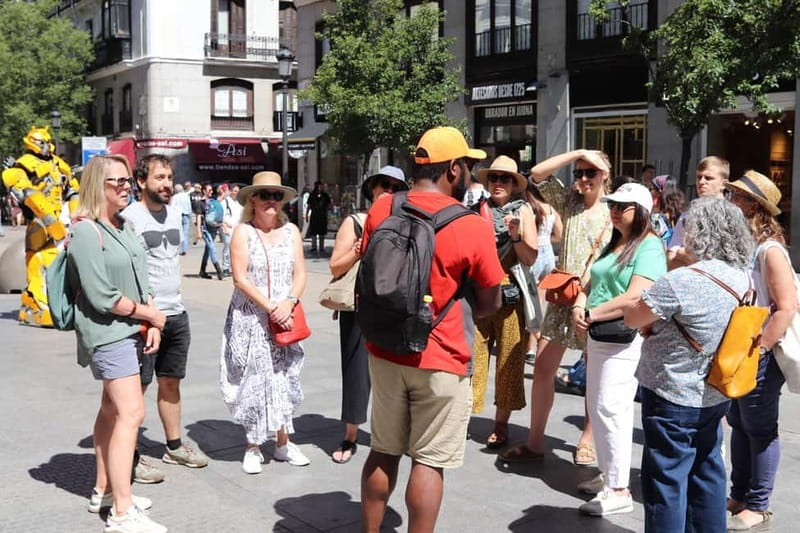
This tour is aimed especially well at Black visitors who want to connect their trip to Afro-European history. It also suits educators, researchers, students, institutions, and cultural organizations looking for a guided starting point for discussion.
Families and private groups may appreciate the format too. The subject is serious, but the two-hour length keeps it manageable, and the route does not require a full day of walking.
I would also suggest it to repeat visitors. If you have already seen Madrid’s central sights, this gives you a new reason to return to them. The tour does not replace a palace visit, cathedral visit, or museum day. Instead, it adds context that those activities may not provide on their own.
It may be less suitable if you want a relaxed sightseeing stroll with little historical discussion. The focus is slavery, heritage, resistance, and the Black presence in Spain, so come ready to listen and think. This is a subject-led walk, not a light introduction to Madrid.
Language, access, and the practical details
The tour is available with a live guide in English or Spanish. Choose the language that lets you follow complex historical points comfortably, especially if you are booking for a mixed group.
It is listed as wheelchair accessible. Since the experience moves through central public areas, you should still mention any specific mobility needs when booking so the operator can clarify the route and meeting details.
The walk lasts two hours, but starting times depend on availability. It is sensible to check the calendar before arranging museum tickets, restaurant reservations, or transport connections.
Cancellation is flexible, with a full refund available when you cancel at least 24 hours ahead. You can also reserve now and pay later, which helps if your Madrid schedule is still changing.
The guide service is included. Food and drinks are not, and no separate entry tickets are listed as included. Bring water, sun protection, comfortable clothes, and shoes that can handle central Madrid streets.
The guide makes the difference
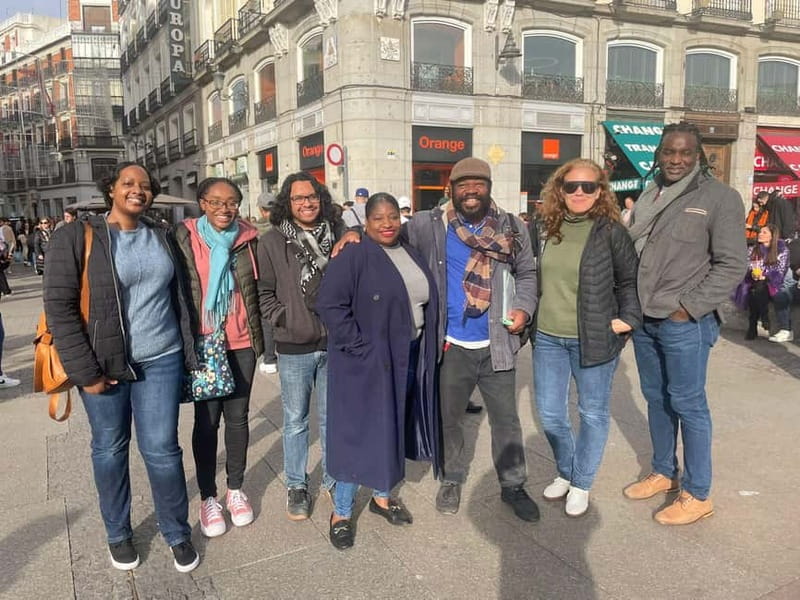
The supplied feedback gives Kwame special mention, describing the experience as interesting and eye-opening. That is the clearest signal about what the tour does best: it presents a subject that can change how you see familiar places.
I would book this with the understanding that the guide is central to the experience. The landmarks provide the setting, but the value comes from the links made between those places and the history of African people in Spain.
If you are booking for a private group, use the opportunity to prepare a few questions. You might ask about the long presence of Black communities in the Iberian Peninsula, the legacy of slavery in Madrid, or how public spaces shape historical memory. The more engaged your group is, the more useful the format is likely to be.
Should you book this Madrid Black history tour?
Book it if you want a focused, thoughtful look at Madrid through African heritage, slavery, and resistance. The $40 price is reasonable for a private two-hour walk with a live English or Spanish guide, especially for groups that value conversation and direct questions.
Skip it if your main goal is palace access, cathedral admission, food tasting, or a broad city overview. For everyone else, this is a worthwhile way to see central Madrid with a fuller sense of the people and forces that helped shape it. Confirm the exact finishing point and stop timings, then arrive ready for a serious but accessible history walk.
FAQ
How long does the Black History Tour of Madrid last?
The tour lasts two hours.
Where does the tour start?
Meet the guide outside Starbucks at Plaza de Isabel II, near Ópera Metro.
Where does the tour finish?
The route is listed as finishing at Puerta del Sol. The activity details also say it ends back at the meeting point, so confirm the exact end point with Afroibérica Tours.
What languages are available?
The live tour guide is available in English and Spanish.
Is the tour private?
Yes. The activity is offered for a private group.
Is the tour wheelchair accessible?
Yes, it is listed as wheelchair accessible.
Are food and drinks included?
No. Food and drinks are not included.
Does the tour include entry to the Royal Palace?
Entry to the Royal Palace is not listed as included. The stop includes a photo stop and a safety briefing.
Does the tour include entry to Almudena Cathedral?
The activity includes a guided stop at Almudena Cathedral, but separate cathedral admission is not specified as included.
Can I cancel for a full refund?
Yes. You can cancel up to 24 hours in advance for a full refund.
Can I reserve now and pay later?
Yes. The activity allows you to reserve your place and pay later.
Just added around Madrid
- Visit the National Archaeological Museum in Madrid★ 4.4 · 6 reviews
- From Madrid: Parque Warner Beach Water Park & Transport★ 3.9 · 14 reviews
- Madrid Wine Tasting, Flamenco Class and Pub Crawl★ 4.5 · 6 reviews
- Virtual Reality Experience Fun And Tickets & Imageen★ 5.0 · 12 reviews
- Visit to the Prado Museum★ 4.9 · 6 reviews
- Tuk Tuk Tour with Wine Test in Madrid★ 3.8 · 6 reviews
- Tuktuk historical tour of Madrid 1 Hr in a fun and original way★ 3.7 · 3 reviews
- Prado Museum VIP tour with an art Expert, tickets included★ 5.0 · 11 reviews
Historical Tours, compared.
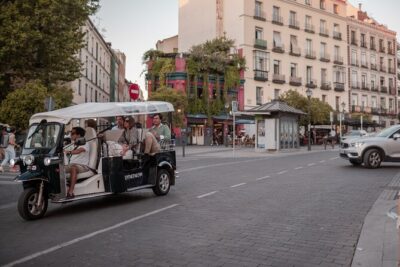
Madrid Historical Tour with Local Guide in Eco Tuk Tuk Private
Read our review →
Madrid Historic Centre Food Tour with Authentic Tapas & Wines
Read our review →
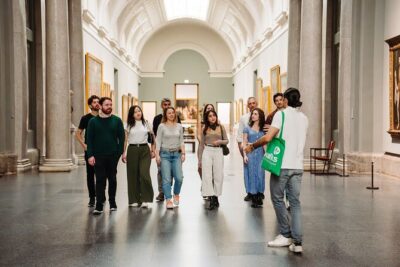
Madrid in a Day Tour:Royal Palace, Historic Center & Prado Museum
Read our review →
Madrid Local’s Tapas Tour Dinner with a side of History
Read our review →
Guided Tour of Madrid of the Austrias and the Historic Center
Read our review →
Segway Private Tour in the Historic Center of Madrid
Read our review →
Browse the lists this tour appears in