
Reviewed · MADRID FOOD TOURS
Madrid Ultimate Spanish Cuisine Food Tour
Madrid’s food culture makes the most sense one small bite at a time. This tour takes you from thick hot chocolate and churros to a standing-room calamari sandwich near Plaza Mayor, with markets, bakeries, cheese, ham, olives, wine, and vermouth in between.
I like the small group capped at 12, which matters in tiny shops and crowded food counters. I also like the blend of eating and explanation: guides such as David, Flo, Mitzi, and José add stories about regional foods, Spanish habits, and Madrid’s neighborhoods. The main drawback is that the menu is not a fit for vegans or people with celiac disease, and some substitutions may be limited.
Key points at a glance
- A full meal in small portions: Eight tasting stops and more than 15 tastes provide enough food for breakfast and lunch.
- Antón Martín Market: Sample olives, cured meats, fruit, olive oil, and vermouth while seeing where locals shop.
- Madrid specialties: Try a chorizo-filled roll, croquettes, Spanish cheeses, and the city’s famous calamari sandwich.
- Morning and evening versions differ: Morning tours begin with churros and chocolate, while the 5 pm tour starts with tapas and beer instead.
- Useful cultural lessons: You learn how Spanish wine is ordered, when vermouth is served, and why regional ingredients matter.
- Best for curious eaters: The tour suits first-time visitors who want food, local context, and practical Madrid dining tips in one outing.
Why this food tour works as a first taste of Madrid
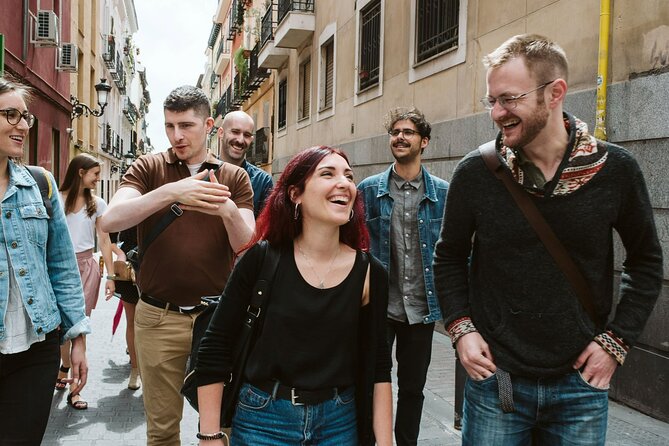
This is not simply a march from one restaurant to the next. The route gives you a useful introduction to how people eat in Madrid: bread bought for the day, small plates shared at a bar, drinks chosen with care, and quick bites enjoyed standing outside a busy counter.
The food also comes from different parts of Spain. You taste ham, cheeses, olive oil, olives, bread, chorizo, and other products tied to particular regions. That gives you a wider picture than a tour devoted only to Madrid tapas.
The walking is moderate rather than strenuous. You begin near Plaza de Santa Ana and finish at Plaza Mayor, passing through central streets and stopping often. I like this rhythm because you get time to digest between tastings, and the route helps connect Madrid’s food habits to the city around you.
The tour costs $95.53 per person. That is not cheap for three hours, but the price includes a substantial amount of food, 15 or more tastes, one drink, and a guide for a group of no more than 12. If you would otherwise pay for breakfast, lunch, several snacks, and a few drinks, the value becomes easier to see. You are also paying for access to small food businesses and for the explanations that turn a sample of olive oil or cheese into something memorable.
More Madrid Food Tours:
- Madrid Historic Centre Food Tour with Authentic Tapas & Wines
★ 5.0 · 814 reviews - Madrid: Tapas Food Tour with Drinks and Food
★ 4.9 · 651 reviews - De Mercados: A Neighborhood Market and Food Tour
★ 5.0 · 237 reviews
Starting with chocolate, churros, or evening tapas
On a morning tour, your first stop is Chocolat, a neighborhood café known for thick Spanish hot chocolate and churros. The chocolate is dense and almost pudding-like compared with the thinner cocoa drinks common elsewhere. The churros provide the crisp contrast.
This is a smart opening because it feels like a real Madrid breakfast rather than a staged welcome drink. You also get an early lesson in the local approach to sweets: simple ingredients, strong texture, and a portion meant to be shared or enjoyed slowly.
The 5 pm departure follows a different plan. Since the churros stop is available only in the morning, you visit a tapas bar for two local tapas and a beer. That makes the evening tour more suitable if you want to begin with savory food, though you should not book the late departure expecting chocolate and churros.
From Chocolat, the tour continues on foot. Check in 15 minutes before your chosen start time at the Monument Calderon de la Barca near Plaza de Santa Ana. The central location is easy to combine with other sightseeing, but there is no hotel pickup.
Moega and the everyday importance of good bread
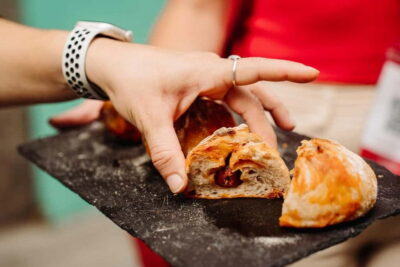
At MOEGA Empanadas y Pan Gallego, you stop at a small bakery and taste a homemade roll filled with chorizo. The shop is connected with northern Spanish baking traditions, and the guide explains why finding genuinely good bread in Madrid can be harder than you might expect.
This stop gives the tour a useful change of pace. You are not just trying a famous dish. You are looking at an everyday purchase, the bread people may pick up for the day, and seeing how a baker’s regional background shapes what comes out of the oven.
The chorizo roll is also a practical tasting. It is filling, portable, and savory enough to balance the sweet opening. By this point, you begin to understand why the tour describes itself as enough food for breakfast and lunch. You are not receiving one tiny nibble at each stop.
Shopping with locals at Antón Martín Market
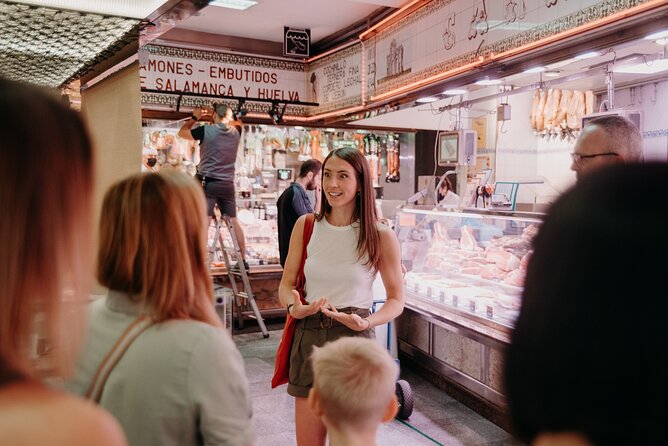
Mercado de Antón Martín is one of the strongest parts of the route. Instead of treating a market as a quick photo stop, the tour gives you time to browse stalls and taste several products.
You may sample:
- Spanish olives
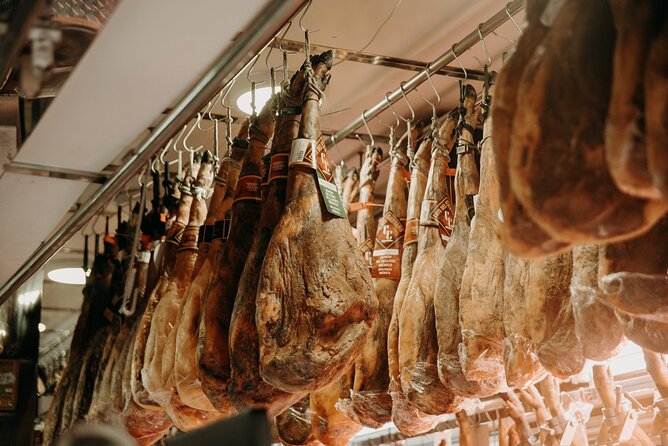
- Cured meats and ham
- Fresh produce
- Extra virgin olive oil
- Other prepared and regional foods
- Red vermouth served as an aperitif
The olive oil tasting is especially useful. You learn the difference between regular oil, virgin oil, and extra virgin oil, along with the factors that affect quality. This is the sort of information that can help you shop later, instead of simply telling you that one bottle is good.
The vermouth adds another layer. In Spain, vermouth is not just a cocktail ingredient. It is commonly enjoyed as an aperitif, often before lunch, and the guide explains when and how people order it. That small lesson can improve your next visit to a Madrid bar.
Markets are also where the tour feels least packaged. You see daily shopping taking place and get a sense of the food supply beyond the monuments. The trade-off is that markets can be crowded, and tasting spaces may be tight. The small group helps, but you should still expect to stand and share limited counter space.
A different sort of day out around Madrid:
- Madrid: Tour Bernabéu Entry Ticket
★ 4.5 · 21,573 reviews - Madrid: Prado Museum Entry Ticket
★ 4.6 · 17,509 reviews - Madrid: “Emociones” Live Flamenco Performance
★ 4.8 · 12,866 reviews - Madrid: Panoramic Route City Tour
★ 4.1 · 12,259 reviews
Cheese, wine, and the story behind Casa González
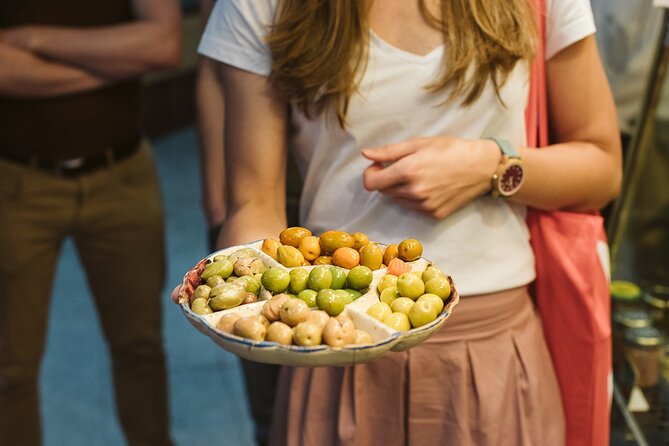
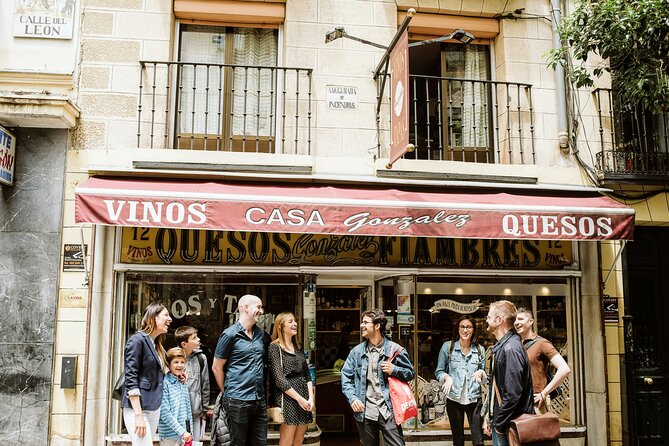
Casa González looks modest from the outside, but the stop carries an unusual local story. The shop’s space was once linked to clandestine political meetings during the 1930s, when opponents of the newly established dictatorship gathered there. Today, you sit down for a tasting of cheeses from different parts of Spain.
The point is not only to eat cheese. You learn where the varieties come from and how Spanish cheese differs by region, milk, and production style. The tasting is paired with two wines, and the guide explains how to order wine in Spain without feeling lost at the bar.
This is where the guide’s role matters most. David has been praised for balancing food details with history and practical advice, while Mitzi has been noted for including everyone and answering questions. Other guides, including Flo, José, Dani, and Arantxa, bring their own style, but the tour depends on clear storytelling as much as on the food.
Non-drinkers are not left out. Coffee is available in place of alcohol in at least some tastings, and the tour can arrange non-alcoholic options when notified in advance. Still, you should not assume every stop has an identical replacement.
Tapas, croquettes, and the Spanish bar habit
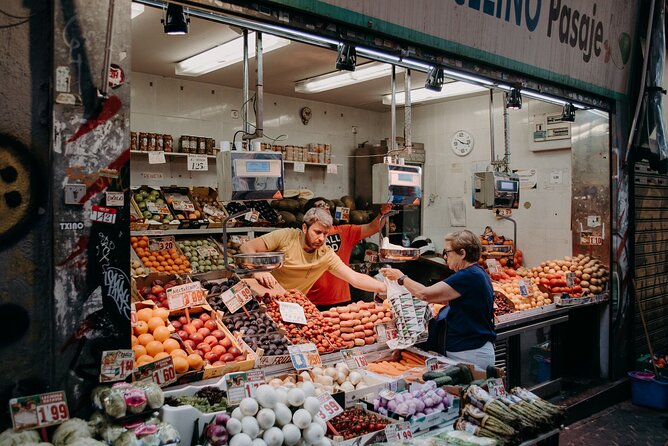
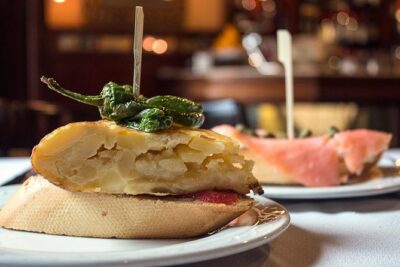
Tapas are part of the route, with croquettes and an ice-cold beer at a local bar. The guide uses this stop to explain tapas culture, including how small plates fit into a longer social evening.
Croquettes are a good choice for a tour like this because they reveal how much variation can hide inside a familiar dish. The exterior should be crisp, while the filling is soft and savory. The exact flavor can vary, but the larger lesson is how Spanish bars turn modest ingredients into something worth lingering over.
Some versions of the route include several tapas restaurants, and one evening group ended up very full by the final stop. That is worth keeping in mind: the portions are not necessarily huge individually, but the total adds up quickly. Pace yourself early, especially if you want to enjoy the calamari sandwich and dessert later.
Bar La Campana and Madrid’s calamari sandwich
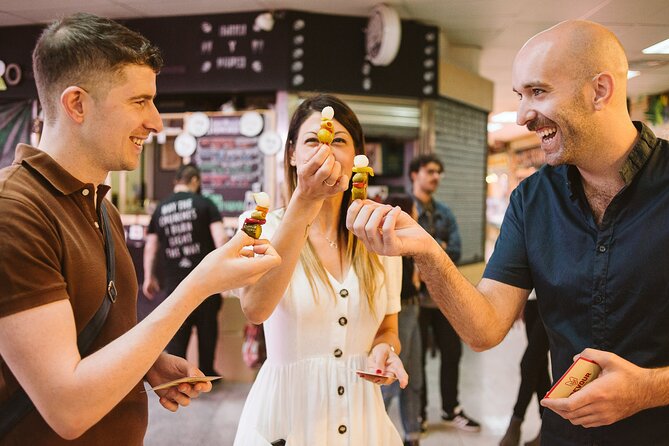
Near Plaza Mayor, you try one of Madrid’s most recognizable casual foods: a fried calamari sandwich. At Bar La Campana, rings of calamari are cooked in a light, crunchy batter and tucked into bread.
The local way to eat it is standing outside the bar. That detail matters. This is not presented as a formal meal with cutlery. It is a quick, satisfying street-side bite tied to the area around Plaza Mayor.
The sandwich is also the most divisive item on the menu. Some people find the portion generous and the flavor delicious. Others may find it salty or too large after the earlier tastings. My advice is to treat it as a signature sample, not a challenge to finish every crumb. You have already eaten a great deal by this point.
The stop is valuable because it shows Madrid’s less polished side of dining. You are eating a simple sandwich in a busy central setting, not sitting down for a carefully plated course. That is part of the appeal.
Finishing with pastry, coffee, and Plaza Mayor
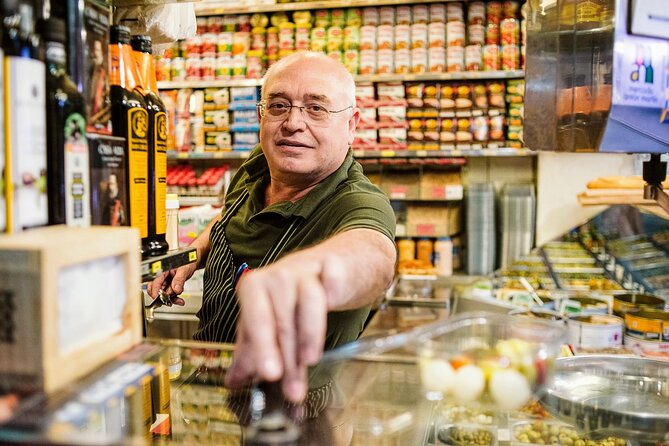
The tour ends near Plaza Mayor, Madrid’s great central square, with a sweet pastry and coffee or tea at a historic pastry shop. Depending on the exact running order and guide, the final sweet may include marzipan cake or another traditional dessert.
After the salty foods, cheese, ham, and fried calamari, the dessert gives the meal a clear finish. It can be very sweet, so anyone with a small appetite should plan accordingly. Coffee or tea helps balance it.
You then finish in Plaza Mayor, a convenient point for continuing your day. You are close to major central sights and public transport, though the tour itself does not include a guided visit inside a monument. The square is part of the walking route and setting, not a separate sightseeing admission.
What the guides add to the meal
The strongest praise for this tour has focused on the guides’ energy, food knowledge, and ability to include the whole group. Flo has been described as lively and funny, with enough enthusiasm to keep a long tasting session moving. David is often singled out for detailed food stories, wine explanations, and practical recommendations.
José has also been praised for handling dietary needs and creating a friendly small-group atmosphere. Dani brings a clear interest in Madrid’s food and culture, while Arantxa has led groups through both culinary stops and city history.
Guide quality can vary from one departure to another, but the format gives a good guide plenty to work with. You are not just following a script. There are questions about olive oil, regional cheese, ham, vermouth, wine, bread, and local customs. If you are curious, you can get much more from the experience by asking how to order, what to buy, and where to eat after the tour.
Dietary needs, walking, and timing
The tour can adapt for vegetarians, pescatarians, people avoiding dairy, people avoiding gluten who are not celiac, pregnant participants, and those choosing non-alcoholic drinks. Contact the company’s Guest Experience team after booking so ingredients can be arranged.
This is not a suitable tour for vegans or people with celiac disease. If you have serious allergies, ask specific questions before booking. A substitute may not be available at every stop, even when the company can make some adjustments.
You should be comfortable walking at a moderate pace for about three hours. Wear comfortable shoes, since you will move between central stops and spend some time standing. The group limit of 12 keeps the route manageable, particularly inside the market, bakery, deli, and bar.
Morning and evening departures are not interchangeable. Choose the morning if churros and hot chocolate matter to you. Choose 5 pm if you prefer tapas and beer at the opening stop and want to make the food tour part of your evening.
Free cancellation is available until 24 hours before the start time. Changes or cancellations inside that window are not accepted for a refund.
Who should book this Madrid food tour?
I would recommend it most strongly to first-time visitors who want a broad introduction to Spanish food without spending days researching restaurants. It is also a good fit if you like learning the story behind a dish, not just taking a bite and moving on.
You will get the most from it if you eat meat, dairy, bread, seafood, and sweets. The food includes ham, chorizo, cheese, calamari, croquettes, wine, beer, vermouth, and dessert, so this is not a light tasting in the usual sense.
You may prefer another tour if you want a long sit-down meal, a strictly vegetarian menu, or a restaurant-focused evening. The food comes in stages, often in small local businesses, and the route is designed around variety rather than comfort.
Should you book it?
Book this tour if you want a generous introduction to Madrid through everyday food, especially if you are visiting for the first time. The market, bakery, cheese shop, tapas bar, and calamari counter give you a useful range, while the guides add the local habits and regional context that make each taste matter.
Skip it if you are vegan, celiac, uncomfortable with moderate walking, or unlikely to enjoy a large amount of food in three hours. For everyone else, $95.53 is a fair price for the quantity, small group, and range of stops. Choose the departure time carefully, arrive hungry, and save room for the calamari sandwich and final pastry.
FAQ
How long does the Madrid Ultimate Spanish Cuisine Food Tour last?
The tour lasts approximately three hours.
Where does the tour start and end?
It starts at the Monument Calderon de la Barca near Plaza de Santa Ana in central Madrid and ends at Plaza Mayor.
What food and drinks are included?
The tastings include chocolate and churros on morning tours, chorizo-filled bread, olives, cured meats, ham, produce, extra virgin olive oil, vermouth, Spanish cheeses, wine, croquettes, beer, a calamari sandwich, and dessert with coffee or tea. The exact running order can vary.
Does the evening tour include churros?
No. The churros stop is available only on morning tours. The 5 pm departure visits a tapas bar for two tapas and a beer instead.
Can the tour accommodate dietary restrictions?
The tour can adapt for vegetarians, pescatarians, gluten-free diets that are not celiac, dairy-free diets, non-alcoholic choices, and pregnancy. You must contact the company after booking, and a replacement may not be available at every stop. The tour is not suitable for vegans or people with celiac disease.
How many people are in the group?
The tour has a maximum of 12 participants.
Just added around Madrid
- Visit the National Archaeological Museum in Madrid★ 4.4 · 6 reviews
- From Madrid: Parque Warner Beach Water Park & Transport★ 3.9 · 14 reviews
- Madrid Wine Tasting, Flamenco Class and Pub Crawl★ 4.5 · 6 reviews
- Virtual Reality Experience Fun And Tickets & Imageen★ 5.0 · 12 reviews
- Visit to the Prado Museum★ 4.9 · 6 reviews
- Tuk Tuk Tour with Wine Test in Madrid★ 3.8 · 6 reviews
- Tuktuk historical tour of Madrid 1 Hr in a fun and original way★ 3.7 · 3 reviews
- Prado Museum VIP tour with an art Expert, tickets included★ 5.0 · 11 reviews
Madrid Food Tours, compared.
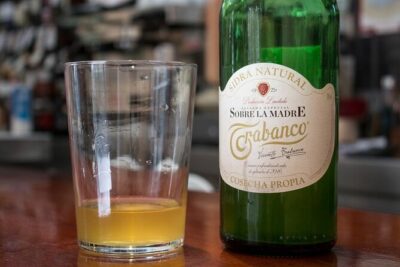
Madrid Historic Centre Food Tour with Authentic Tapas & Wines
Read our review →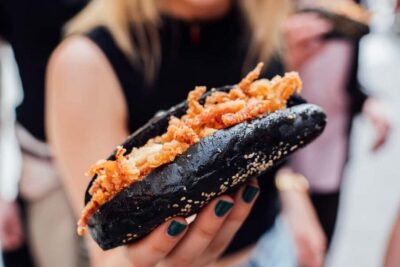
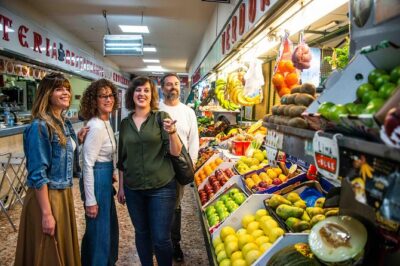
De Mercados: A Neighborhood Market and Food Tour
Read our review →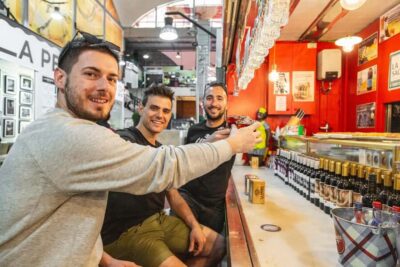
Private: Madrid Historic Centre Food Tour with 10+ Authentic
Read our review →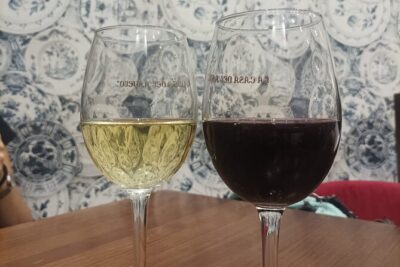
Madrid Food Tour: Tapas, Drinks and Delights with a Local
Read our review →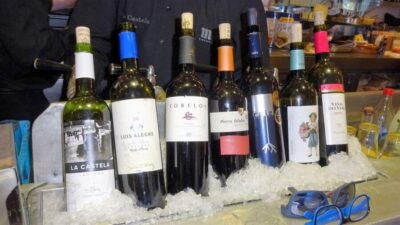
Iberico Ham and Spanish Wine Small-Group Food Tour
Read our review →Browse the lists this tour appears in