
Reviewed · WINE TOURS
6 Day Wine and Gastronomy Tour of Northern Spain
Northern Spain reveals itself one glass and one small town at a time on this six-day private trip from Madrid to Bilbao. You move from Ribera del Duero and Rioja wine country to San Sebastian, the French-Basque coast, and the Biscay shore, with local guides handling the driving and the regional details.
I like the access to small, family-run wineries, where the winemaker can explain the soil, altitude, grapes, and cellar work directly. I also like the route itself: this is not just a wine holiday, but a broad tour of northern Spain with medieval towns, coastal views, pintxos country, and the Guggenheim Museum.
The main caution is the pace. Several days run about nine hours, and the trip covers a lot of ground. Hotels, breakfasts, and dinners are not included, so you need to plan the overnight stays and evening meals yourself.
Key points to know before booking
- Winemakers lead tastings in Ribera del Duero and Rioja, giving you more than a standard cellar visit.
- Private transport links five regions without asking you to manage trains, rental cars, or border crossings.
- The route ends in Bilbao, with drop-off at your chosen place in the city.
- San Juan de Gaztelugatxe requires a climb of 241 stone steps to reach the church.
- The French-Basque day crosses an international border, visiting Biarritz, Saint-Jean-de-Luz, Hondarribia, and Jaizkibel.
- The maximum group size is eight, though the tour can operate with as few as two people.
From Madrid to Ribera del Duero and Aranda del Duero
Your first morning begins with pickup at your Madrid hotel, including your luggage. That is a useful start if you are moving through Spain rather than returning to Madrid each night. The private, air-conditioned vehicle becomes your base for the next six days, and the guide can adjust the route for a small group.
Ribera del Duero is a good opening chapter because the focus begins with the wine itself. At a small family winery, the winemaker explains how altitude, weather, soil, and grape varieties shape the region’s bottles. You then taste several wines with the person who helped create them.
I especially like this format for anyone who wants to understand wine without sitting through a polished sales pitch. The conversation begins in the fields and ends in the glass. You can ask why one wine tastes different from another and hear the answer from someone involved in the entire process.
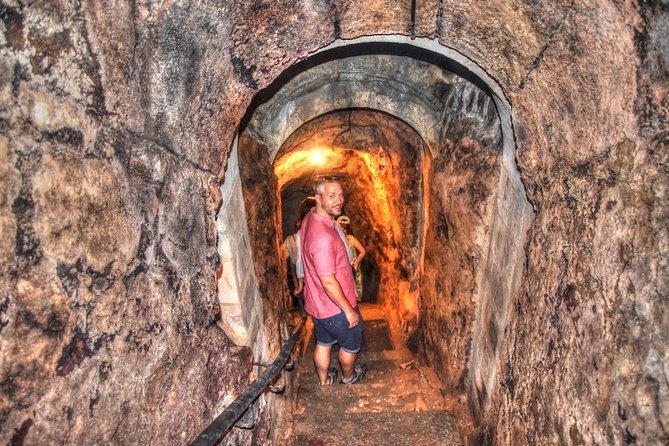
The day continues to Aranda del Duero, a Castilian town with more than 1,000 years of history. The visit includes an underground winery in the old town, a reminder that wine storage in this part of Spain is not limited to modern buildings surrounded by vines.
This first day is listed at about seven hours. That makes it one of the easier days in terms of time, but you should still expect a full transfer from Madrid, a tasting, and a town visit. The advantage is that your luggage travels with you and you do not need to arrange separate transport between wine areas.
More 6-Day Trips from Madrid:
- From Madrid: Gems of Andalusia 6-Day Sightseeing Tour
★ 4.0 · 258 reviews - 6 Day Portugal Tour including Lisbon and Fatima from Madrid
★ 4.0 · 9 reviews - Andalusian Highlights: 6-Day Guided Tour from Madrid
★ 4.0 · 6 reviews
Rioja Alta, from estate wines to old barrel cellars
Day two turns to Rioja Alta, with about nine hours on the road and at the wineries. You begin at an estate winery, where the winemaker explains what makes estate production different and outlines the requirements set by the Rioja Control Board.
The tasting compares classic and modern Rioja styles. That contrast gives the day some purpose. Instead of tasting several similar wines, you can pay attention to how winemaking choices affect the final drink.
You also visit a famous nineteenth-century winery with more than a century of operation. Rioja’s move toward oak barrels began in an important period at the end of the nineteenth century, and the visit connects that change to the familiar Rioja categories of Crianza and Reserva. The supplied description cuts off before the full explanation of the categories, so your guide will be the best person to clarify the details during the visit.
This day should suit you if you enjoy the background behind a product. It is not simply a sequence of tastings. You learn how regional rules, barrel aging, and winery style shape what appears on a Spanish wine list.
The drawback is the long schedule. Nine hours gives you time for two very different winery experiences, but it leaves less room for an unplanned stop. Since breakfast and dinner are not included, plan ahead for food around the day’s schedule rather than assuming every meal is covered.
Rioja Alavesa, chateau views and modern architecture
The third day remains in Rioja, this time in Rioja Alavesa. You begin at a chateau-style winery surrounded by vineyards, with broad views across the wine country. The setting offers a change from the cellar-focused visits of the previous days, and the guide explains the history of the property before the tasting.
Next comes an avant-garde winery designed by one of the world’s famous architects. This is the modern face of Rioja, where the building itself becomes part of the visit. You see how the region moved into a new architectural era while continuing to make wines with deep local roots.
I like the balance between the old and new here. Day two links Rioja to its nineteenth-century barrel tradition, while day three shows a very different idea of what a winery can be in the twenty-first century. If you care about architecture, photography, or design as much as wine, this may be one of the strongest days.
Again, plan for roughly nine hours. The schedule offers two distinctive winery settings, but the days are not built around long stretches of free time. You will get more from the experience if you treat the schedule as a guided study of Rioja rather than a relaxed hotel-based wine break.
San Sebastian, La Concha, and the Basque way of eating
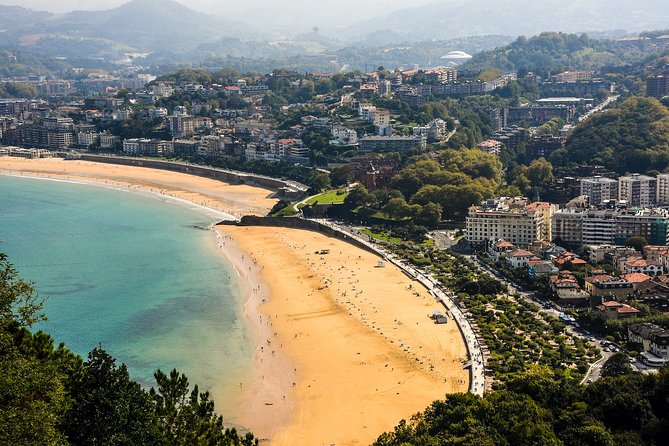
On day four, you leave Rioja with your luggage and go directly to San Sebastian, also called Donostia in Basque. The city sits on the Bay of Biscay, near the French border, and its setting around La Concha Bay gives the walking tour a strong visual center.
You see major city sights, panoramic viewpoints, and less obvious corners with a local guide. The tour also covers the city’s connection with Spanish royalty and the period when Queen Isabel II helped make San Sebastian a fashionable coastal destination.
This is where the trip shifts from wine education to Basque culture. You are no longer moving between vineyards and cellars. Instead, you walk through a coastal city shaped by the bay, French-style architecture, royal visitors, and a strong food culture.
The day lasts about eight hours and ends at your San Sebastian hotel. That overnight stop matters because the next day begins from the same city and explores the nearby French-Basque coast. You do not need to pack for another long transfer that evening.
San Sebastian is also one of the places where your own dinner planning matters most. Dinners are excluded, and the program does not specify a restaurant or a food tour as part of these six days. You will need to choose where to eat on your own, using the guide for local direction.
More Madrid Wine Tastings and Winery Tours:
- Toledo Tour & Vineyard Walk with Wine Tasting from Madrid
★ 5.0 · 2,546 reviews - Madrid: Tapas & Wine Tasting Tour with Local Guide
★ 4.8 · 2,171 reviews - Madrid Tapas & Wine Tour with Rooftop Views and Local Guide
★ 5.0 · 2,047 reviews - Paella Cooking Class in Madrid with Bottomless Wine Pairing
★ 5.0 · 985 reviews
Biarritz, Saint-Jean-de-Luz, and Hondarribia
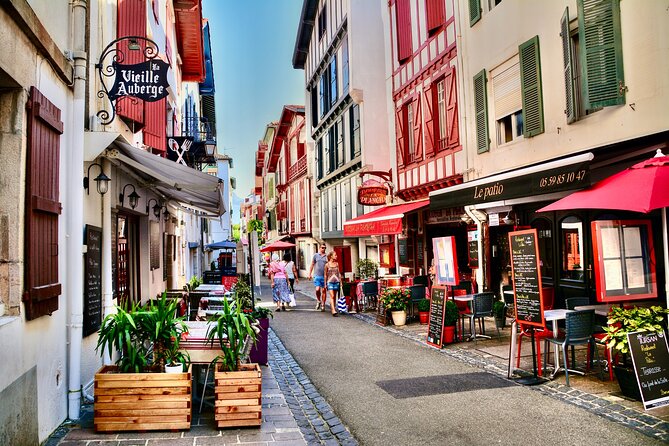
Day five is a full coastal outing, with four stops and about seven hours of scheduled visits. It begins in Biarritz, once a whaling village and later a luxury resort for Europe’s wealthy families. You see the Grande Plage, the Art Deco casino, the market, and the grand architecture that recalls its high-society summer years.
The Biarritz stop lasts about two hours. That is enough for an introduction and a walk, but not enough for a detailed visit to every part of town. You should think of it as a guided overview rather than a free day at the beach.
Saint-Jean-de-Luz offers a different mood. This former corsair town keeps its old fishing-town identity and seventeenth-century houses. The guide explains the royal wedding of Louis XIV and Maria Teresa of Austria, then leads you through the historic center, food market, and narrow streets.
The town is a good place to pay attention to food. Its character comes from the harbor, the market, and the connection between local life and the sea. The two-hour stop gives you time to look around, but you may want to ask in advance how much free time is available for eating or shopping.
Hondarribia brings you back into Spain, right at the French border. Its walled old town is entered through the Santa Maria gate, guarded by the Hatxero statue. The guide takes you through narrow streets and then toward the fishermen’s quarter, where seafood and pintxos restaurants are concentrated.
For food-focused visitors, this is an especially useful stop. The program points you toward the fishermen’s quarter rather than treating the town as a quick photo stop. Since meals are not included, you can decide how much of your budget to spend on seafood or small Basque dishes.
The final stop is Jaizkibel Mountain, where you pause at the highest point for wide views along the French-Basque coast. You can stop for photographs and coffee with the sea below. This is a scenic finish to a day that combines resort architecture, royal history, old fishing streets, and border-country views.
Bermeo, Gaztelugatxe, Bakio, and Bilbao
Day six takes you from San Sebastian to Bilbao with your luggage. The drive follows the Biscay coast and includes several worthwhile stops before reaching the city.
Bermeo is an old fishing village with a working port, colorful facades, shops, and restaurants. Its past is tied to whale hunting, and the guide explains the importance of fishing to the town. The scheduled visit lasts about an hour, making it a compact introduction rather than a long stay.
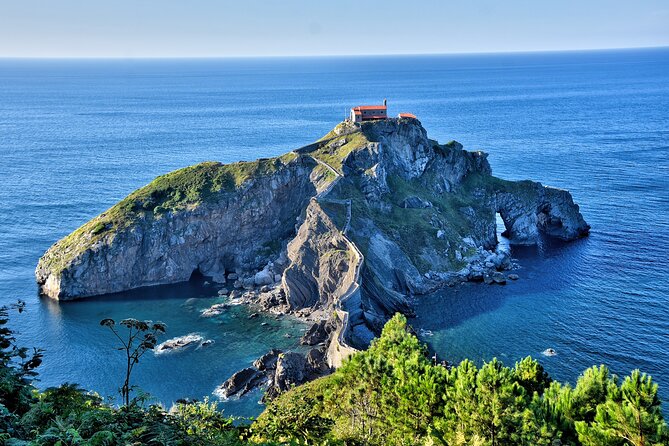
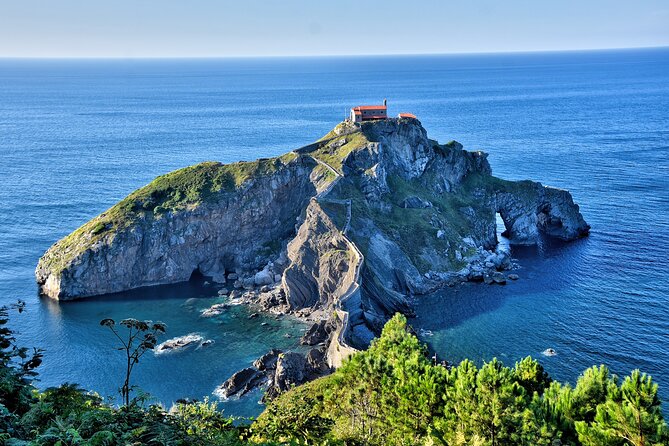
Next comes San Juan de Gaztelugatxe, the most physically demanding stop of the trip. A small tenth-century church sits on a rock about 80 meters above the sea, linked to the mainland by a stone bridge with 241 steps.
You should be ready for a climb. The visit is listed at about an hour, so time may be tight if you walk slowly, stop often, or want to linger at the top. The site appeared in Game of Thrones, but its appeal does not depend on the television connection. The setting, bridge, sea, and isolated church are the real reason to come.
Bakio follows, with mountains, a long beach, and coastal vineyards used for txakoli, the lightly distinctive Basque wine associated with the area. The stop lasts about an hour and gives you another look at how vineyards can fit into a very different coastal setting from Ribera del Duero or Rioja.
The final urban portion begins in Bilbao. You walk through the city, seeing how its older commercial and industrial identity now sits alongside newer cultural buildings and a strong food scene. The guide also points out less obvious parts of the city, so you get more than a museum transfer.
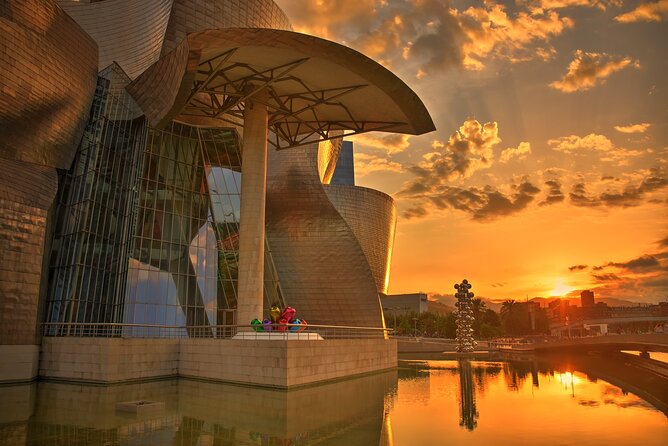
The tour ends at the Guggenheim Museum, where admission is included. You enter the building and see temporary and permanent works, including artists such as Andy Warhol. Outside, the 12-meter Puppy sculpture, covered with about 50,000 natural flowers, is one of Bilbao’s best-known meeting points.
After the museum, the guide can drop you at your chosen place in Bilbao. This is practical if Bilbao is your next base or if you are continuing elsewhere by train or air, though the experience itself does not include onward travel arrangements.
What the $2,387.46 price covers
At $2,387.46 per person, this is a costly trip, but the price needs to be read as a private six-day transport-and-guiding package rather than a simple sightseeing bus tour.
Included are private air-conditioned transportation, an expert guide each day, vineyard visits and tastings in Ribera del Duero and Rioja, museum admission at the Guggenheim, and pickup and drop-off in different cities. The small maximum of eight people helps keep the route more personal, and the tour can be arranged for as few as two.
The strongest value comes from the logistics. You do not need to rent a car, drive after tastings, work out border transport, or coordinate the move from Madrid through Rioja and the Basque Country. The organizer, Rebeca, has also arranged local guides and winery contacts, which matters when you want access to estate and family producers rather than only large public cellars.
The price does not include hotels, breakfasts, or dinners. Those costs can add up quickly across five nights, and you should compare the full trip budget before booking. The tour is a better value for a couple or small group that values private transport and local wine access than for someone who prefers cheap trains, independent hotel booking, and long free afternoons.
Earlier guests specifically praised Rebeca’s ability to adapt plans, including arranging particular wineries and a pintxos-focused experience for a five-day trip. A group of six also found her useful when coordinating different preferences. That flexibility is worth asking about before you pay, since the description says changes can be made to suit your interests.
Who should book this northern Spain tour?
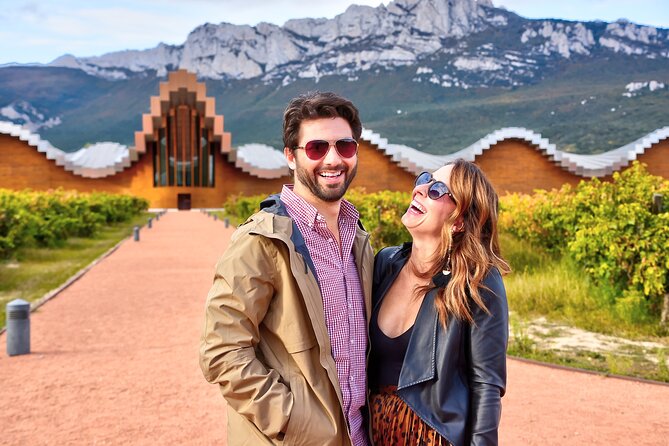
I would choose this experience if you want one organized route through several regions and do not want to drive between wineries and coastal towns. It suits couples, families, or small groups who enjoy wine, food, architecture, history, and scenery in equal measure.
It is also a good fit if you want private attention. The minimum is two people, and the maximum is eight, so you are not committing to a large coach group. The local-guide structure should help you get more context at the wineries and in the towns.
I would hesitate if your ideal holiday means sleeping late, staying several nights in each town, or spending an entire afternoon at one winery. The schedule is active, two days run about nine hours, and several coastal stops are short. The 241-step walk at Gaztelugatxe also makes comfortable walking important.
The tour begins at 9:00 a.m., pickup is offered, and confirmation is subject to availability within 48 hours. Most people can participate, and the activity is near public transportation, but the private vehicle is the main way you move between regions.
Should you book it?
Book this tour if you want a polished route from Madrid to Bilbao that combines serious wine visits with the best-known cultural and coastal stops of northern Spain. The family winery in Ribera del Duero, the contrasting Rioja styles, San Sebastian, the French-Basque villages, and the Guggenheim give the six days real range.
Skip it if the price is beyond your budget or if you would rather build a slower trip yourself. Before booking, ask Rebeca about your preferred wineries, hotel locations, meal suggestions, and how much walking is expected at Gaztelugatxe. For a small group that values local contacts and simple transport, those details can make the high price worthwhile.
FAQ
Where does the six-day tour begin?
The tour begins with pickup at your hotel in Madrid at 9:00 a.m. on the first day.
Where does the tour end?
The experience ends in Bilbao, with drop-off at your desired place in the city.
Is transportation included?
Yes. Private transportation with air conditioning is included, along with pickup and drop-off in different cities.
Are hotels included?
No. Hotels are not included, so you arrange your own accommodation in Madrid, the Rioja area, San Sebastian, and Bilbao as needed.
Are meals included?
Breakfasts and dinners are not included. The program does not list included lunches either, so ask about meal arrangements when planning your booking.
How many people can join?
The tour can operate with a minimum of two people and has a maximum of eight travelers.
Are wine tastings included?
Yes. Guided vineyard visits with wine tastings are included in Ribera del Duero and Rioja.
Is admission to the Guggenheim Museum included?
Yes. Admission to the Guggenheim Museum Bilbao is included on the final day.
Can the tour be changed to suit my interests?
The experience is described as flexible, and the organizer says additions or changes can be requested. Confirmation is subject to availability, so discuss your preferences before booking.
Just added around Madrid
- Visit the National Archaeological Museum in Madrid★ 4.4 · 6 reviews
- From Madrid: Parque Warner Beach Water Park & Transport★ 3.9 · 14 reviews
- Madrid Wine Tasting, Flamenco Class and Pub Crawl★ 4.5 · 6 reviews
- Virtual Reality Experience Fun And Tickets & Imageen★ 5.0 · 12 reviews
- Visit to the Prado Museum★ 4.9 · 6 reviews
- Tuk Tuk Tour with Wine Test in Madrid★ 3.8 · 6 reviews
- Tuktuk historical tour of Madrid 1 Hr in a fun and original way★ 3.7 · 3 reviews
- Prado Museum VIP tour with an art Expert, tickets included★ 5.0 · 11 reviews
Wine Tours, compared.
Madrid Tapas & Wine Tour with Rooftop Views and Local Guide
Read our review →
Paella Cooking Class in Madrid with Bottomless Wine Pairing
Read our review →
Madrid Historic Centre Food Tour with Authentic Tapas & Wines
Read our review →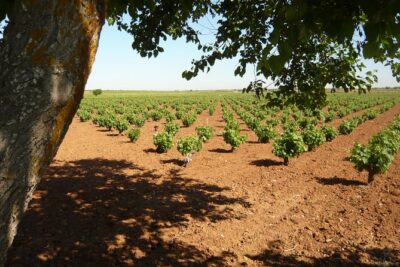
Madrid Countryside Wineries Guided Tour with Wine Tasting
Read our review →
Old Madrid Tapas and Fine Wine Small Group Tour
Read our review →
Taste of Spain: Tapas Cooking Class with Bottomless Wine Pairing
Read our review →Browse the lists this tour appears in