
Reviewed · 4-DAY EXPERIENCES
From Madrid: Andalusia in 4 Days and 3 Nights with Tickets
The best part of this four-day trip is the range: you move from Seville’s grand palaces and Flamenco to cork-oak country, hilltop white villages, the dramatic gorge at Ronda, and Córdoba’s striped Mosque-Cathedral. It packs several major Andalusian sights into one tidy route without asking you to change hotels every night.
I like the included high-speed trains and the centrally located three-star hotel in Seville. I also like that the itinerary mixes guided visits with free afternoons, so you can explore Seville on your own. The drawback is the pace: the days involve plenty of walking, and the arrangements can become confusing if you join the group from Madrid at a point other than the main meeting plan.
Key points at a glance
- Three nights in Seville: Use one hotel as your base instead of packing up each morning.
- Three UNESCO-listed Seville sights: The Royal Alcázar, Cathedral, and Giralda are covered with skip-the-line tickets and a guided visit.
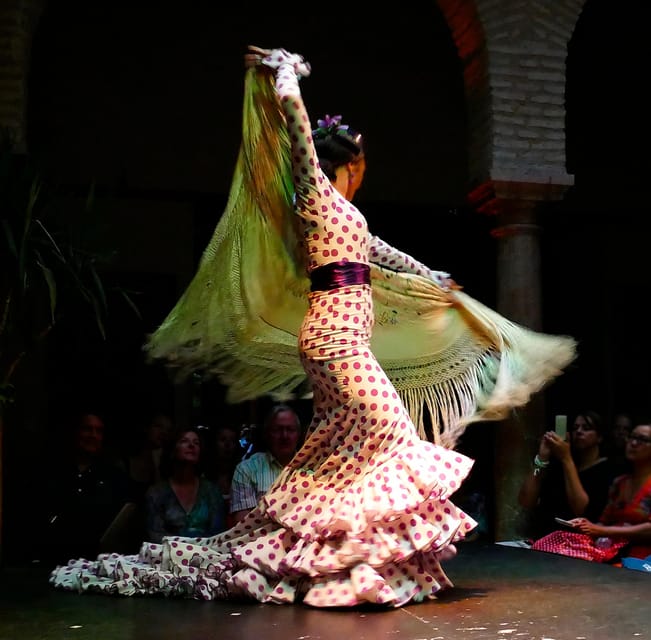
- An evening Flamenco show: Your ticket is included, giving you a classic Andalusian night without extra planning.
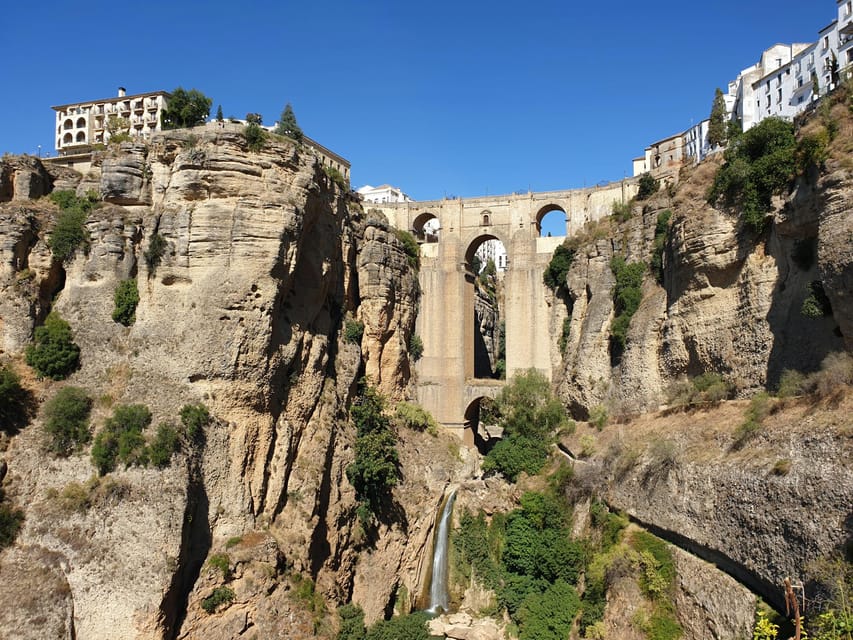
- Ronda and Zahara de la Sierra: See the famous Puente Nuevo, mountain views, cork oaks, and one of Cádiz province’s white villages.
- Córdoba and Carmona in one day: Visit Roman, Jewish, Islamic, and Christian landmarks before taking the train back to Madrid.
- A busy walking schedule: Comfortable shoes and sunscreen are not optional extras here. They are smart packing choices.
Four days that show Andalusia’s main contrasts
At $812 per person, this is a packaged introduction to Andalusia rather than a slow, independent journey. You pay for return high-speed rail from Madrid, three nights with breakfast, several guided excursions, major admission tickets, and the Flamenco performance.
That price can be useful if you want the main planning handled for you. You do not need to compare Seville hotels, book the Alcázar, arrange a day trip to Ronda, or work out the best way to combine Carmona and Córdoba. If you prefer choosing every restaurant, museum, and departure time yourself, you may find the package restrictive.
The three-star hotel is centrally located, which matters in Seville. You can spend your free time walking rather than building every outing around taxis or long local transfers. A four-star upgrade costs an additional $100, and a single room also adds $100. Children up to age 12 sharing an extra bed receive a $60 discount.
More Andalusia Trips from Madrid:
- Andalusia: Cordoba, Seville & Granada from Madrid – 4 Nights
★ 4.0 · 424 reviews - From Madrid: Gems of Andalusia 6-Day Sightseeing Tour
★ 4.0 · 258 reviews - Cities of Andalusia 4-Day Tour from Madrid
★ 4.2 · 73 reviews
Day one: Madrid to Seville and an evening of Flamenco
You need to be at Madrid’s Atocha station at 7:30 in the morning. The high-speed train takes you to Seville, where the first day is mostly yours to shape.
This free time is valuable because Seville rewards unhurried wandering. You can set out toward the old center, find a shaded square, pause for lunch, or simply get your bearings before the organized sightseeing begins. The tour does not fill every first-day hour with a guide, so you have room to choose what matters most to you.
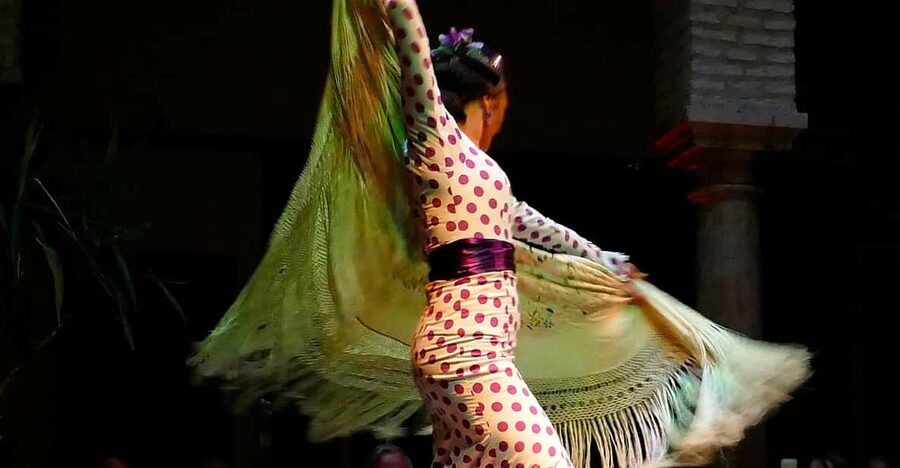
In the evening, you attend a Flamenco show with the ticket included. This is a sensible addition to a short Seville visit. Flamenco is tied closely to Andalusia’s music and dance traditions, and seeing it in a planned setting saves you from sorting through unfamiliar venues after a long train journey.
Food and drinks are not included, so budget separately for lunch, dinner, and any café stops. The package gives you the performance, not the full evening meal.
Day two: Seville’s Alcázar, Cathedral, and Giralda
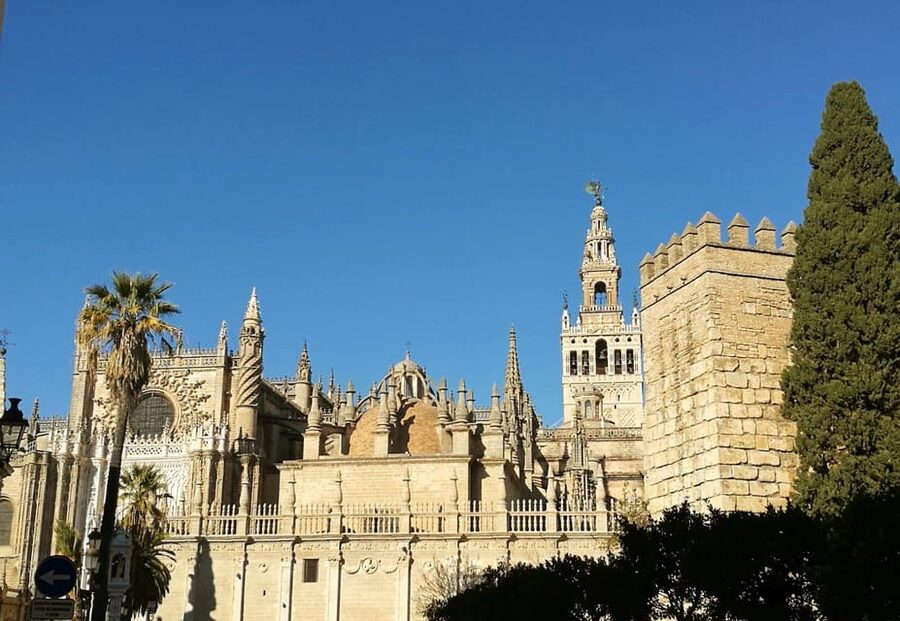
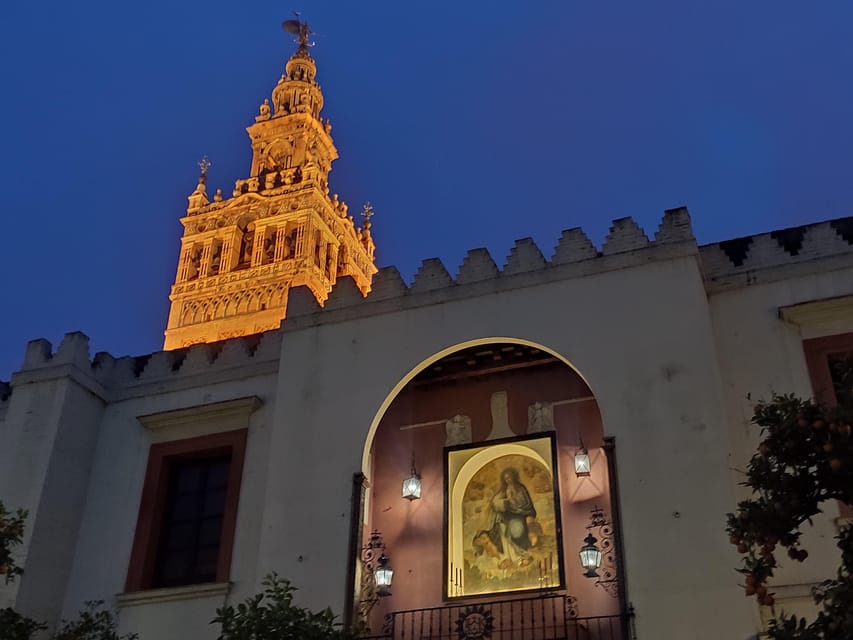
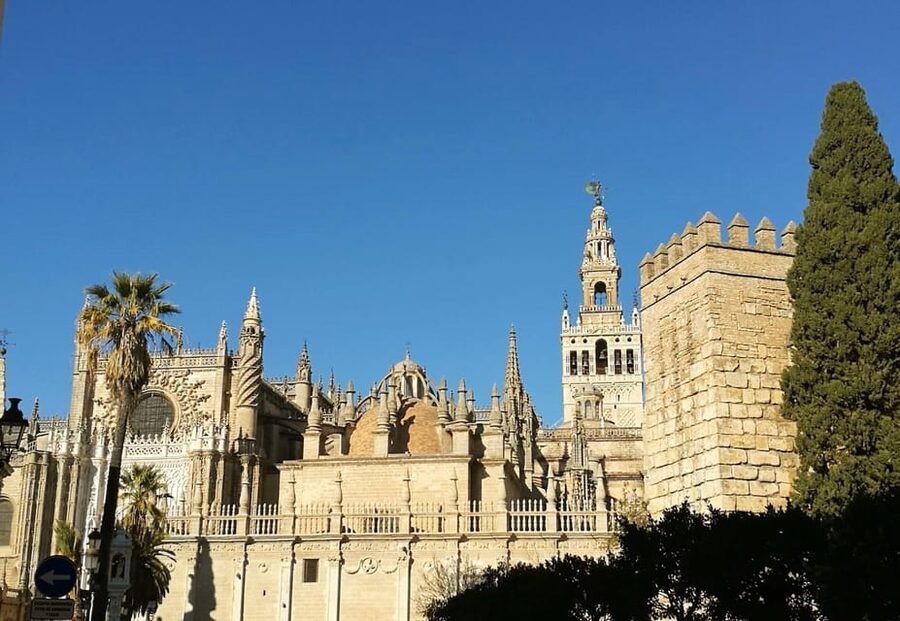
The second morning brings the main Seville sightseeing tour. It lasts more than three hours and covers the Royal Alcázar, the Cathedral, and the Giralda, the former minaret now linked to Seville Cathedral.
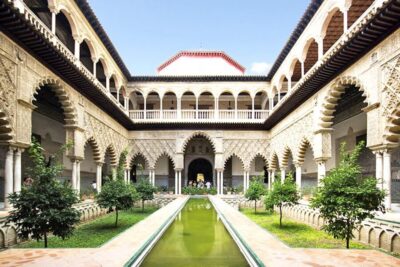
The Royal Alcázar is the visual highlight for many people. Its courtyards and decorated rooms show the long overlap of Islamic and Christian traditions in southern Spain. A guide helps you connect the architecture to the city’s changing rulers instead of treating each tiled wall as a pretty backdrop.
The Cathedral gives the tour a different scale. It is one of the city’s defining landmarks, and the visit places Seville’s religious and civic power in the same morning as the Alcázar’s palace culture.
The Giralda adds a vertical element. Its broad ramps, rather than a conventional staircase, were designed to allow access on horseback. If you climb it, expect effort, but the views reward you with a clear sense of Seville’s size and layout.
Tickets are included, and the tour uses a separate entrance to avoid the ordinary queue. That is particularly useful in a short itinerary. You are not spending a valuable morning waiting outside, though timed entry still means you should arrive promptly.
The afternoon is free. I would use it for a slower neighborhood walk rather than another major attraction. You might explore around the old Jewish quarter, sit in a plaza, or return to an area that the morning tour covered too quickly. The guide also provides recommendations for Seville, which can help you make better use of the unscheduled hours.
Day three: olive oil, Zahara, and Ronda
The third day leaves Seville for the countryside. The route combines an olive oil mill, Zahara de la Sierra, and Ronda, with a drive through the Alcornocales Natural Park.
The olive oil stop gives the day a useful local focus. You learn how oil is extracted and produced in the traditional way, then taste extra virgin olive oil from the area. This is more than a quick photo stop because olive oil is central to Andalusian cooking and rural life. If you care about food, the tasting gives you a better idea of why local oil appears so often on restaurant tables and in home kitchens.
Next comes Zahara de la Sierra, a white village set in a striking hilltop position. The appeal is partly the village itself and partly the setting around it. Whitewashed homes, steep streets, and a high viewpoint make this a very different experience from monumental Seville.
The route then crosses the Alcornocales area, known for its cork oak trees. The guide explains the tree and the cork industry as you travel. This is an unusual detail in a standard Andalusia tour, and it gives the drive a stronger sense of place.
Ronda arrives with a dramatic change in mood. The town sits above the Tajo gorge, with the Puente Nuevo linking the two sides. Before you reach the center, the guide explains the town’s history and points out places such as the Plaza de Toros, Alameda, Paseo de los Toreros, and the gorge.
The guide then gives you advice for exploring independently. That arrangement works well in Ronda because you can choose between viewpoints, streets, monuments, and a relaxed meal instead of moving through every corner as one group.
You should prepare for a lot of walking. Ronda has slopes, uneven surfaces, and viewpoints that require movement between several parts of town. Comfortable shoes are specifically recommended, and sunscreen is wise, especially on a bright day when shade is limited.
You return to Seville in time for free evening hours and dinner. Since dinner is not included, you can pick a restaurant that suits your budget and appetite after a full day outdoors.
More 4-Day Trips from Madrid:
- 4-Day Portugal Tour from Madrid: Lisbon and Fatima
★ 4.0 · 38 reviews - 4-Day Guided Tour Cordoba, Seville, Granada and Toledo from Madrid
★ 3.5 · 19 reviews - 4-Day Northern Spain Guided Tour from Madrid
★ 4.0 · 5 reviews - 4 day Portugal & Fatima escorted tour from Madrid
★ 3.5 · 4 reviews
Day four: Carmona before Córdoba
You leave Seville with your luggage at about 9 a.m. and stop in Carmona, one of Spain’s oldest towns. Its position on a hill has made it important across Roman, Arab, and Christian periods.
The stop includes the town’s Alcázares and gives you a compact introduction to the layered past of Andalusia. Carmona is not treated as a full-day destination here, so keep your expectations in check. You will see its main character and monuments, but you will not have unlimited time for every lane, church, or shop.
From Carmona, the group continues to Córdoba. The visit begins at the Roman Bridge across the Guadalquivir. Crossing it on foot gives you a strong entrance into the medieval city, with the Arc de Triomphe marking the way toward the historic center.
The walking route continues through the Jewish quarter, where flower-filled courtyards and narrow streets shape the experience. You also pass through the San Basilio area and near the Royal Stables before seeing one of the peninsula’s remaining historic synagogues.
The order of the day has one practical drawback. Lunch follows much of the walking, so you may want a good breakfast and a small snack in your bag. Food and drinks are not supplied by the tour, and the schedule gives you limited control over when you stop.
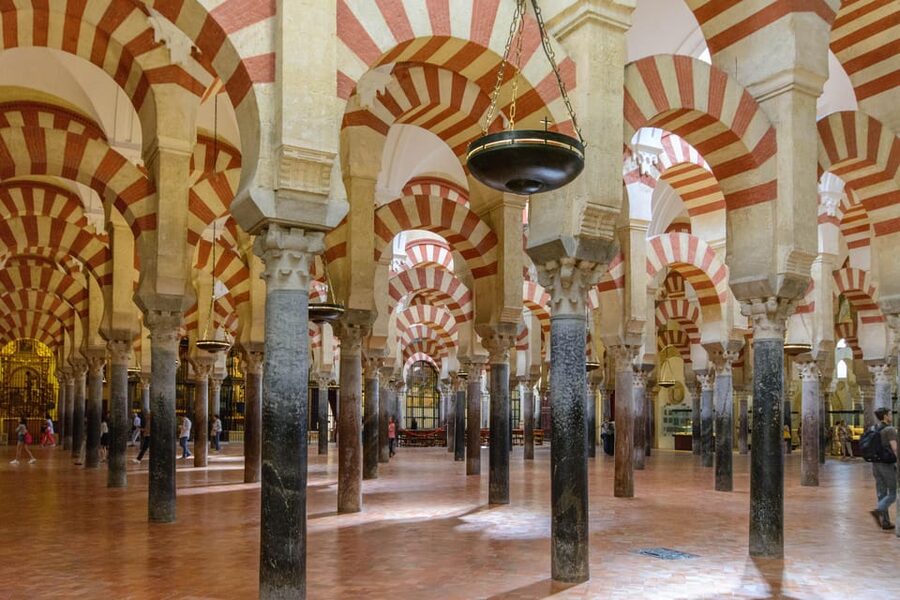
The Mosque-Cathedral is the major final visit. Its forest of arches and long religious history make it one of Andalusia’s essential sights. The guided visit helps explain how the building changed from mosque to cathedral and why it remains such a strong symbol of Córdoba.
After the visit, you have some free time before going to the station. The train returns you to Madrid in less than two hours, with arrival planned for around 8 p.m. That makes the final day long, but it also lets you see Córdoba without adding another hotel night.
What the included tickets really add
The admission package covers the Flamenco show, Royal Alcázar, Seville Cathedral, and Córdoba’s Mosque-Cathedral. Those are not minor add-ons. They are the sights most likely to require advance planning, timed entry, or a clear understanding of what you are seeing.
Skip-the-line access through a separate entrance can protect your schedule, especially at the Alcázar. On a four-day trip, avoiding a long queue may be worth nearly as much as the ticket itself.
The guided format also adds context. At the same time, the quality of the day depends on how much detail you enjoy. Some explanations may focus heavily on architectural features such as columns, which can feel repetitive if you prefer stories, food, or local life.
Walking, comfort, and group coordination
This is not a gentle coach tour where you look out the window and step off only for photographs. You walk through historic centers, cross bridges, visit monuments, and explore towns with hills and uneven streets.
Bring supportive shoes, sunscreen, and water for the day trips. A small bag is easier than a large one, especially when you are moving between trains, old streets, and guided sites.
Coordination deserves attention. The normal plan begins at Atocha in Madrid, but arrangements can become unclear if you are joining from another direction. One participant arriving from Madrid to Córdoba with a suitcase was not initially met by the group and had to make several calls and messages before connecting with the guide. The guide apologized, caught up with the sightseeing privately, and arranged help with the luggage, but the incident shows why you should confirm your meeting point and arrival details in advance.
The tour uses English and Spanish guides. Some excursions rely on a shuttle or coach, and the transport and guides have generally been useful for getting between the scattered sights. A transfer to or from the train station costs an extra $50, so check exactly what your booking includes before you leave Madrid.
Who will get the most from this tour
You should consider this trip if you want a strong first look at Andalusia and prefer a ready-made plan. It suits people who value major monuments, guided context, included rail travel, and a central Seville base.
It also works well for a short Spain itinerary. You can add Andalusia without arranging several separate bookings, and the return train means you do not have to solve the long journey back to Madrid yourself.
I would be more cautious if you want long meals, late mornings, extensive shopping, or serious time in each town. The free afternoons in Seville help, but the day trips to Ronda, Carmona, and Córdoba are tightly packed.
The tour is not suitable for wheelchair users. The walking, old streets, steps, slopes, and monument access make that restriction important to consider before booking.
Should you book it?
Book this tour if you want the main sights of Andalusia delivered in four organized days, with trains, hotel, guides, excursions, and major tickets bundled into one price. The strongest features are the three-night Seville base, the Alcázar and Cathedral access, the Flamenco evening, and the unusual countryside route through Zahara and the cork-oak country.
Skip it if you prefer independent travel or need a slower pace. For everyone else, $812 is a reasonable convenience price when you value saved planning time and included admissions, provided you are ready for long walking days and confirm every meeting arrangement before departure.
FAQ
Where does the tour begin?
You meet at Madrid’s Atocha train station at 7:30 in the morning to take the high-speed train to Seville.
How long does the tour last?
The experience lasts four days and includes three nights of accommodation in Seville.
Where do I stay?
You stay in a centrally located three-star hotel in Seville, on a bed and breakfast basis, in a double room.
Are the train tickets included?
Yes. High-speed train transport from Madrid to Seville and the return journey from Córdoba to Madrid are included.
Which Seville attractions are included?
The guided Seville visit includes the Royal Alcázar, Seville Cathedral, and the Giralda. Tickets and skip-the-line access through a separate entrance are included.
Is the Flamenco show included?
Yes. The ticket for the Flamenco show is included on the first evening in Seville.
What places are visited outside Seville?
The itinerary includes Ronda, Zahara de la Sierra, the white villages of Cádiz, an olive oil mill, the Alcornocales Natural Park, Córdoba, and Carmona.
Are meals included?
No. Food and drinks are not included, so you need to pay for your own meals and refreshments.
Can I cancel the booking?
You can cancel up to 24 hours in advance for a full refund. The reserve-now, pay-later option lets you hold a place without paying immediately.
Just added around Madrid
- Visit the National Archaeological Museum in Madrid★ 4.4 · 6 reviews
- From Madrid: Parque Warner Beach Water Park & Transport★ 3.9 · 14 reviews
- Madrid Wine Tasting, Flamenco Class and Pub Crawl★ 4.5 · 6 reviews
- Virtual Reality Experience Fun And Tickets & Imageen★ 5.0 · 12 reviews
- Visit to the Prado Museum★ 4.9 · 6 reviews
- Tuk Tuk Tour with Wine Test in Madrid★ 3.8 · 6 reviews
- Tuktuk historical tour of Madrid 1 Hr in a fun and original way★ 3.7 · 3 reviews
- Prado Museum VIP tour with an art Expert, tickets included★ 5.0 · 11 reviews
4-Day Experiences, compared.
4-Day Portugal Tour from Madrid: Lisbon and Fatima
Read our review →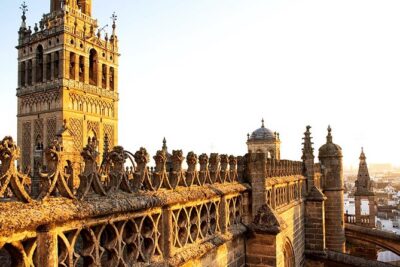
4-Day Guided Tour Cordoba, Seville, Granada and Toledo from Madrid
Read our review →

4 day Portugal & Fatima escorted tour from Madrid
Read our review →Browse the lists this tour appears in