Reviewed · TOURS
12-Day Morocco and South of Spain Tour from Madrid
The appeal is simple: in 12 days, you see two countries, Moorish Spain, imperial Moroccan cities, the Strait of Gibraltar, the Alhambra and Toledo without arranging a single intercity transfer. That is a lot of ground, and the changing scenery is the main event.
I like the strong cultural lineup, especially the Cordoba Mosque-Cathedral and Granada’s Alhambra. I also like the practical package: hotels, coach transport, breakfasts, several dinners, a bilingual escort and major entrance tickets are bundled together. The catch is equally clear: Morocco involves long bus rides, border delays and a tour structure that may change from one section to the next.
Key points to know before booking
- Cordoba, Seville and Granada provide the best Moorish architecture in Spain, with guided visits to the Mosque-Cathedral, Seville Cathedral and Alhambra.
- Morocco is reached by ferry from Tarifa or Algeciras, so you cross customs with your luggage and need valid passport details well before departure.
- Expect substantial time on the coach, particularly between the ferry, Fez, Marrakech, Casablanca and Tangier.
- Hotels are listed as three or four star, but standards vary between Spain and Morocco and between individual properties.
- Guiding can be a real strength, with praised escorts including Ismael, Ellie, Grace and Margarita, though the language balance and local service may vary.
- The tour suits first-time visitors who value coverage over slow travel, not people seeking long stays in each city.
Why this Spain and Morocco route works
This trip links places that are easy to combine on a map but awkward to arrange independently. You begin in Madrid, cross southern Spain, take the ferry into North Africa, travel through Morocco, then return for Granada and Toledo before ending in Madrid.
That route gives you a useful historical thread. In Andalucia, you see Islamic design reshaped by Christian Spain. In Morocco, you enter old medinas, royal districts and public squares where daily life still follows a different rhythm. The result is less a relaxing holiday than a fast-moving survey course with good scenery outside the coach window.
The price is $2,425.18 per person. That is not a budget bus tour, but it covers 11 breakfasts, five dinners, a lunch, accommodation, transportation, travel insurance and admissions to three major sites. You also receive guided visits in several cities. When you price hotels, ferry transport, the Alhambra, Cordoba Mosque and Seville Cathedral separately, the package can make sense.
Still, the value depends on how much you use the included structure. Meals outside the listed inclusions, drinks, optional evening programs and personal sightseeing are extra. You are also paying for convenience, not maximum free time.
More Madrid Tours:
- Madrid: Tour Bernabéu Entry Ticket
★ 4.5 · 21,573 reviews - Madrid: Prado Museum Entry Ticket
★ 4.6 · 17,509 reviews - Madrid: “Emociones” Live Flamenco Performance
★ 4.8 · 12,866 reviews
Day one: Don Quixote country and Cordoba
The opening drive cuts through Castile-La Mancha, the land associated with Don Quixote. A brief stop at Puerto Lapice gives you a taste of the dry central Spanish setting before the coach crosses Despeñaperros into Andalucia.
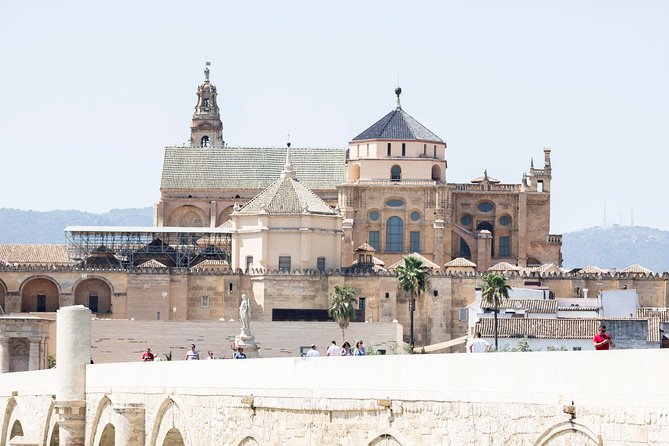
The major stop is Cordoba. The Mosque-Cathedral is one of Spain’s essential sights, with its forest of arches and layers of Islamic and Christian history. The visit includes the monument, followed by time in the old Jewish Quarter, where narrow streets make a welcome contrast to the scale of the building.
The listed visit lasts about two hours, and the admission fee is included. That matters because Cordoba’s central sight deserves more than a quick photograph. You should expect some walking on uneven streets and comfortable shoes will help.
Afterward, the coach continues to Seville. This is an efficient first day, but not a gentle one. You begin with a morning departure, spend time on the road and finish with another transfer after Cordoba.
Seville: cathedral, Santa Cruz and Plaza de España
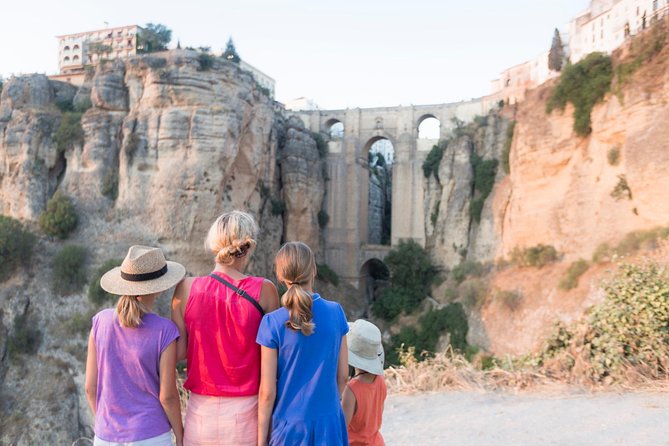
Seville receives a panoramic introduction and a guided visit to its cathedral. The building is described as the second-largest Catholic church in the world after St. Peter’s in Rome, and its size alone makes the visit worthwhile.
The cathedral admission is included. The schedule allows roughly 30 minutes for the listed visit, so do not expect a full, unhurried exploration of every side chapel or artwork. The value here is having a guide provide structure in a large and sometimes confusing monument.
You then see Santa Cruz, the former Jewish Quarter, with its whitewashed lanes and small plazas. The tour connects the district with stories associated with Carmen and Don Juan, giving the walk a literary and theatrical flavor.
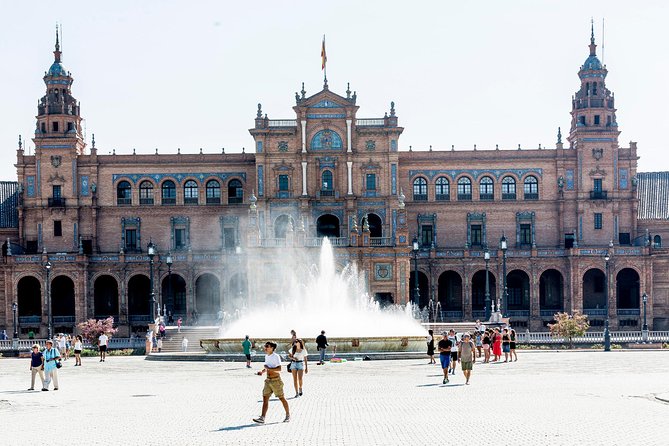
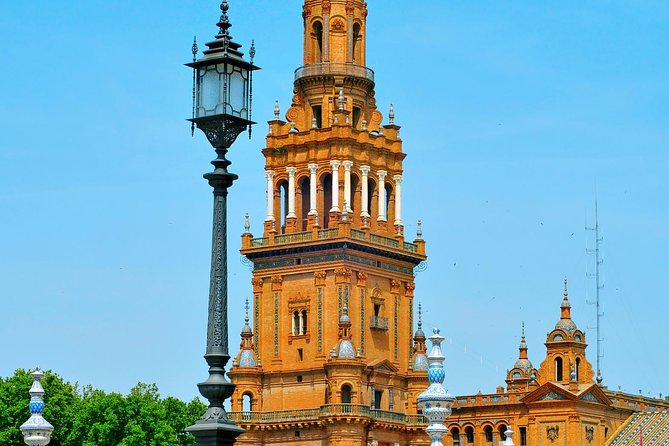
Maria Luisa Park and Plaza de España round out the day. Plaza de España is one of Seville’s most recognizable spaces, with tiled provincial scenes and a broad semicircular design. I would use your free moments here for photographs and a slow look at the tilework rather than treating it as another quick stop.
Ronda and the Costa del Sol
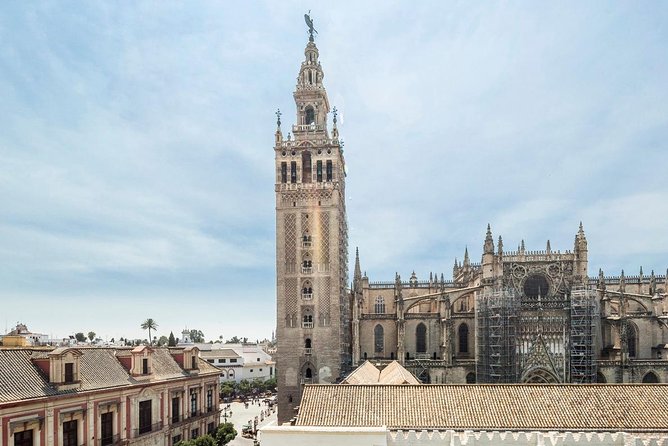
Day three heads south through traditional villages to Ronda. You have about two hours of free time, enough to admire the town, its mountain setting and its dramatic views across the surrounding valley.
Ronda is a good choice for this route because it breaks up the major-city sequence. Its position above the gorge gives the day a different feel from Cordoba and Seville. The limitation is time. You get an introduction, not a full exploration of the town’s museums, streets and viewpoints.
The afternoon continues to the Costa del Sol, with accommodation in the resort area. This is one of the less characterful parts of the trip, but it serves a practical purpose. You are positioned for the crossing into Morocco the following day.
Hotel quality here deserves realistic expectations. Some departures have had comfortable properties and good food, while others have encountered disappointing rooms, weak air conditioning or crowded buffet service. Since the hotel class is selected by the operator, you should think of the Costa del Sol stop as functional rather than carefully chosen for atmosphere.
A different sort of day out around Madrid:
- Madrid: Panoramic Route City Tour
★ 4.1 · 12,259 reviews - Madrid: Live Flamenco Show with Food and Drinks Options
★ 4.5 · 9,901 reviews - Avila & Segovia Tour with Tickets to Monuments from Madrid
★ 5.0 · 9,762 reviews - Three Cities in One Day: Segovia, Avila and Toledo from Madrid
★ 5.0 · 8,402 reviews
Crossing the Strait of Gibraltar
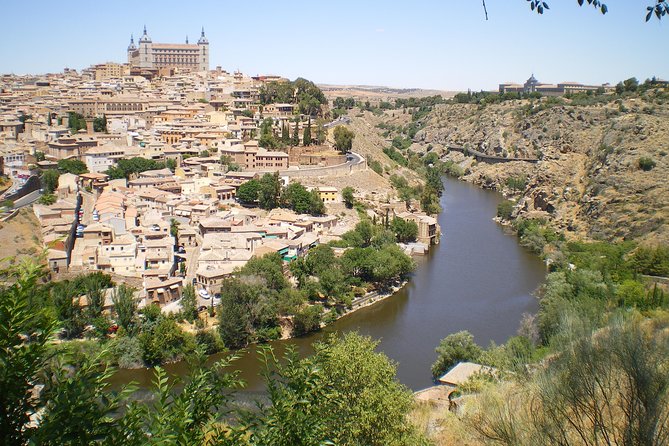
The route continues along the Costa del Sol to Tarifa or Algeciras. You then take a ferry across the Strait of Gibraltar to Morocco.
This is an exciting geographical change, but ferry days can be tiring. You must carry your luggage through customs, and border procedures can add time. The coach then continues toward Fez, with the road journey passing via Larache.
The published schedule gives about two hours for the Fez arrival portion, but the full crossing and onward transfer can take much longer. Plan for a demanding travel day, not a leisurely arrival. Keep essential medication, documents and a change of clothes in your carry-on rather than buried in your suitcase.
The tour allows one suitcase weighing no more than 29 pounds, or 13 kilograms, plus one carry-on bag. That limit is important. Pack light, especially since you will move between several hotels and cross an international border.
Fez: the medina and the imperial city
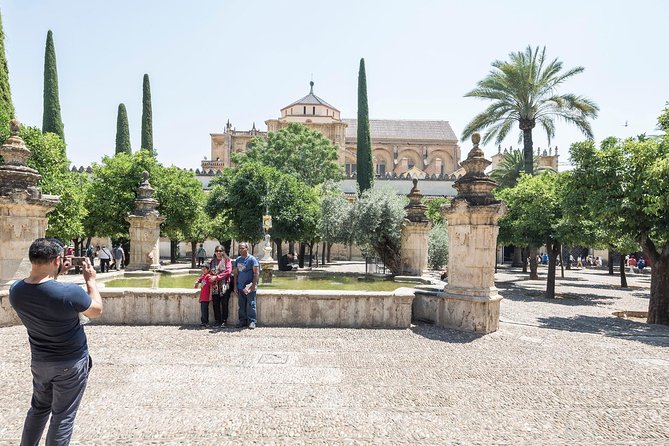
Fez is one of the strongest stops in Morocco. The guided visit covers the Royal Palace gates, the Mellah, Bab Bou Jeloud and the old medina, a World Heritage Site.
The medina is the sort of place where a local guide is genuinely useful. Its lanes can feel confusing, and the guide gives you a framework for understanding the city rather than leaving you to wander without context. At the same time, you should know that organized visits may include several shopping stops. If you are not interested in buying carpets, leather, textiles or metalwork, set your expectations before the walk begins.
The afternoon is free, though the advice and structure of the local program may make independent exploration feel limited. An optional dinner with a show may be offered. Treat that as an extra activity, not part of the core price.
Fez can be one of the most rewarding days of the tour, but it depends heavily on the local guide. Some departures have had engaging city specialists, while others have found the commentary thin and the shopping portion too prominent.
Rabat and the road to Marrakech
The next stop is Rabat, Morocco’s diplomatic and administrative capital. The visit includes the exterior of the Royal Palace, the Mausoleum of Mohammed V and Hassan Tower.
Rabat offers a calmer counterpoint to Fez. The monuments are spread through more open areas, and the city’s official role gives it a different character from the older medina districts. The visit is relatively short, so you are seeing the principal sights rather than building a detailed understanding of the capital.
The coach then continues to Marrakech. This is another road-heavy day, but the arrival sets up one of the trip’s main highlights.
Marrakech: gardens, souks and Jemaa el-Fna
Marrakech receives more attention than several other Moroccan stops. The program includes Menara Gardens, an exterior look at the Koutoubia Mosque and a walk through the medina, souks and Jemaa el-Fna Square.
Jemaa el-Fna is the heart of the visit. The square is known for performers, storytellers, acrobats, musicians, fortune tellers and snake handlers. The atmosphere changes through the day, and it is one of the places where a guided introduction followed by free time works well.
You also have a full day at leisure in Marrakech. That is valuable because the first guided visit may feel quick. You can return to the square, spend more time in the souks or choose an optional excursion through the local operator.
Keep your pace sensible in the medina. The streets can be crowded and visually intense, and the tour’s scheduled route may involve repeated stops at commercial establishments. You do not need to purchase something at every stop. A polite no is enough.
Marrakech is often the Moroccan high point for this route because it combines monuments, public life and free time better than some of the shorter city visits.
Casablanca and the Hassan II Mosque
Casablanca is introduced as Morocco’s commercial and industrial center. The panoramic visit includes Anfa, United Nations Square, the Habbous neighborhood, the Corniche and the exterior of Hassan II Mosque.
The mosque is the key sight. Its scale and position beside the Atlantic make it one of Morocco’s most memorable modern religious buildings. The schedule, however, may allow only a short look, and the standard visit is described as exterior viewing rather than a full interior tour.
That distinction matters. If seeing the inside of Hassan II Mosque is a priority, check the exact departure arrangements before booking. The tour gives you the landmark, but it may not provide the time or admission needed for a detailed visit.
Casablanca is also one of the places where shopping delays can affect the rest of the day. A stop that runs long can reduce your time for museums or independent walks, so do not assume every free afternoon will remain fully free.
Tangier and the return to Spain
Tangier is the final Moroccan stop. The program includes a visit to the Casbah before transferring to the port for the ferry back to Tarifa.
The Casbah offers a final look at Morocco’s northern gateway, but the timing can be tight. The ferry, customs and onward coach journey may consume most of the day. You then return to a Costa del Sol hotel.
This is the point where the trip’s pace becomes most obvious. You have crossed between continents twice, moved through multiple cities and changed hotels repeatedly. The reward is range. The cost is limited time and some fatigue.
Granada and the Alhambra
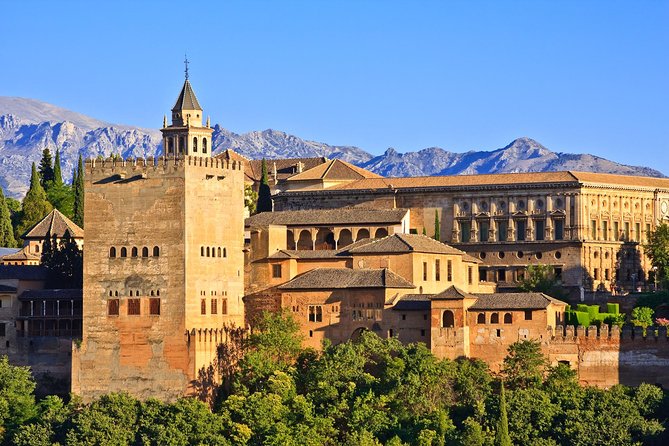
Granada provides the tour’s grand Spanish finale. The Alhambra and Generalife Gardens are included, and the visit lasts about two hours.
This is one admission you will be glad is covered. The Alhambra is not a sight to leave to chance, since timed access and advance planning can complicate an independent visit. The complex also gives the entire Spain and Morocco route a satisfying architectural connection, linking Andalucia’s Islamic past with the Moroccan cities you have just seen.
Two hours is enough for an organized introduction, but many people will wish for longer. You have free time in Granada afterward, and an optional gypsy flamenco show in Sacromonte may be available. If Granada interests you more than another Moroccan transfer day, this is the place where the limited schedule may frustrate you.
Several experienced guides have been praised on different departures, including Ismael, Ellie, Grace and Margarita. Good escorts make a real difference here, especially when the group needs help with meeting times and site entrances.
Toledo before Madrid
Toledo is the final major stop before Madrid. The old city is presented as a meeting place of Christian, Moorish and Jewish traditions, with a short guided walk through its narrow streets.
This is a smart closing stop. Toledo condenses Spanish art, faith and political history into a compact hilltop town. The visit is brief, so you should not expect to see every church, synagogue or museum, but the walking tour gives you an orientation.
The tour ends back at the original meeting point, the Aloft Madrid Gran Via, after the Toledo visit. The departure time is 8:00 a.m., and hotel pickup is not included, so you need to reach the starting point yourself.
Guides, languages and group size
The tour is bilingual in English and Spanish, with a maximum group size of 50. That is a sizable coach group. It can work well when the escort is organized, but audio equipment, translations and questions become more important as the group grows.
The named escorts Ismael, Ellie, Grace and Margarita have received especially strong praise for care, information and organization. Other departures have had weaker communication, poor bus audio or a Moroccan escort who offered little explanation. The Moroccan section may also be operated separately from the Spain portion, meaning you could change guides and group members during the trip.
That structure is worth understanding before you pay. You are not guaranteed one small, English-only group for all 12 days. A bilingual or multilingual format may mean that explanations take longer, and language balance may not always feel even.
Who should book this tour?
I would recommend it to a first-time visitor who wants a broad introduction to Spain and Morocco, prefers organized transport and does not want to manage ferries, hotels and border paperwork alone. Families and older adults who are comfortable with regular walking may appreciate the included structure and fixed schedule.
I would be cautious if you want slow mornings, boutique hotels, long museum visits or detailed time in each city. You should also think twice if long coach rides wear you down. Morocco, in particular, requires patience with road time, changing hotels, customs and uneven service.
The cancellation terms are strict close to departure. Cancel at least six full days ahead for a full refund, two to six days ahead for a 50 percent refund, and less than two days ahead for no refund.
FAQ
Where does the tour start and finish?
The tour starts at 8:00 a.m. at Aloft Madrid Gran Via, C. de Jacometrezo 4, Madrid. It ends back at the same meeting point.
What meals are included?
The package includes 11 breakfasts, five dinners and one lunch. Other food and beverages are not included unless specifically stated.
Are entrance tickets included?
Admission is included for the Cordoba Mosque-Cathedral, Seville Cathedral and the Alhambra. Other attractions may be viewed from outside or may require additional payment.
What luggage can I bring?
Each person may bring one suitcase weighing up to 29 pounds, or 13 kilograms, plus one carry-on bag.
Do I need a passport for the Morocco crossing?
Yes. You need a current valid passport on the travel date, and passport name, number, expiry date and country information must be provided for all participants. You are responsible for checking and meeting visa requirements.
How much walking is involved?
A moderate amount of walking is involved. Expect walks through historic quarters, medinas and old city streets, often on uneven surfaces.
My final take
This is a strong sightseeing package with a demanding schedule. The best reasons to book are the excellent city selection, included access to Cordoba, Seville and the Alhambra, and the convenience of having transport and hotels arranged across two countries.
The main warning is the Moroccan operation. Service, hotel condition, guide quality, bus audio and language balance may vary. If you accept that uncertainty and are happy to trade slow travel for wide coverage, $2,425.18 can buy an impressive first look at Andalucia and Morocco. If you want depth, comfort and a single consistent guide, build the trip independently or choose a smaller tour.
Just added around Madrid
- Visit the National Archaeological Museum in Madrid★ 4.4 · 6 reviews
- From Madrid: Parque Warner Beach Water Park & Transport★ 3.9 · 14 reviews
- Madrid Wine Tasting, Flamenco Class and Pub Crawl★ 4.5 · 6 reviews
- Virtual Reality Experience Fun And Tickets & Imageen★ 5.0 · 12 reviews
- Visit to the Prado Museum★ 4.9 · 6 reviews
- Tuk Tuk Tour with Wine Test in Madrid★ 3.8 · 6 reviews
- Tuktuk historical tour of Madrid 1 Hr in a fun and original way★ 3.7 · 3 reviews
- Prado Museum VIP tour with an art Expert, tickets included★ 5.0 · 11 reviews
Tours, compared.

Avila & Segovia Tour with Tickets to Monuments from Madrid
Read our review →
Royal Palace Expert Guided Tour with Skip-the-Line
Read our review →
Toledo Tour from Madrid: Cathedral, Synagogue & St. Tome’s Church
Read our review →
Toledo Half or Full Day Tour with Optional Lunch from Madrid
Read our review →
Toledo & Segovia Full Day Guided Tour with Alcázar
Read our review →